What does Proverbs 27:20 mean?
“Hell and destruction are never full; so the eyes of man are never satisfied.” — Proverbs 27:20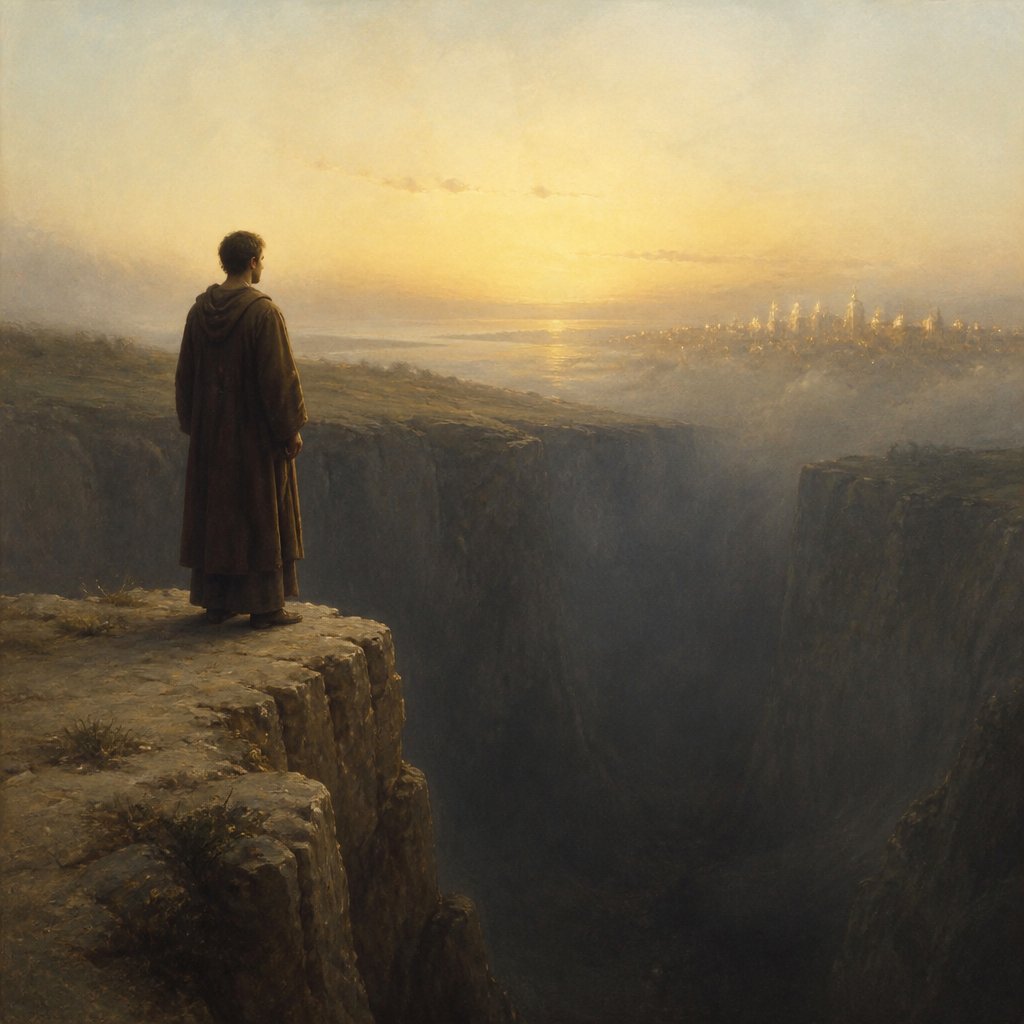
Proverbs 27:20 (KJV) states, "Hell and destruction are never full; so the eyes of man are never satisfied." This verse carries much insight into the human condition and offers valuable wisdom on the nature of desire and the pursuit of satisfaction.
The first part of the verse compares the insatiable nature of Hell and destruction to the insatiable nature of human desire. "Hell and destruction are never full" speaks to the limitless, unquenchable nature of these forces. This is a powerful image that evokes the idea of never-ending emptiness and the unrelenting nature of these dark forces. This comparison sets the stage for the second part of the verse, in which the eyes of man are likened to these unfulfillable forces.
The second part of the verse, "so the eyes of man are never satisfied," draws a parallel between human desire and the relentless nature of Hell and destruction. It suggests that just as these dark forces can never be filled or satisfied, so too are the eyes (and by extension, the desires) of man. This is a deeply insightful commentary on the unending longing and yearning that is characteristic of the human experience. It suggests that no matter how much one may acquire or accomplish, there will always be a desire for more.
This verse speaks to the universal human condition, providing a timeless and profound commentary on the nature of desire. It relates to the theme of human dissatisfaction and the endless pursuit of material possessions, success, and fulfillment. The wisdom contained within this verse transcends time and culture, offering a powerful and relevant message to all people, regardless of their circumstances.
The context of this verse within the book of Proverbs further illuminates its meaning. Proverbs as a whole is a collection of wise sayings and practical advice, meant to guide people in living a life of wisdom and righteousness. In this context, the verse serves as a cautionary reminder of the futility of placing one's ultimate satisfaction in material possessions or worldly achievements. It encourages people to seek fulfillment in spiritual and moral pursuits rather than the pursuit of endless material gain.
The symbolism in this verse is also rich and multi-layered. The imagery of Hell and destruction conveys a sense of unending emptiness and despair, highlighting the destructive nature of insatiable desire. The comparison of human desire to these dark forces serves as a powerful warning about the potential consequences of unrestrained longing and greed. It urges readers to be mindful of their desires and to seek satisfaction in deeper, more meaningful pursuits.
Overall, Proverbs 27:20 (KJV) offers a profound and timeless commentary on the insatiable nature of human desire. It serves as a cautionary reminder of the futility of seeking ultimate satisfaction in worldly possessions and achievements, and encourages readers to seek fulfillment in spiritual and moral pursuits. This verse holds profound wisdom that continues to resonate with people of all walks of life, offering guidance and insight into the universal human experience.
Get our apps


Artwork for Proverbs 27:20

Proverbs 27:20 - "Hell and destruction are never full; so the eyes of man are never satisfied."

"Hell and destruction are never full; so the eyes of man are never satisfied." - Proverbs 27:20

Proverbs 20:27 - "The spirit of man is the candle of the LORD, searching all the inward parts of the belly."
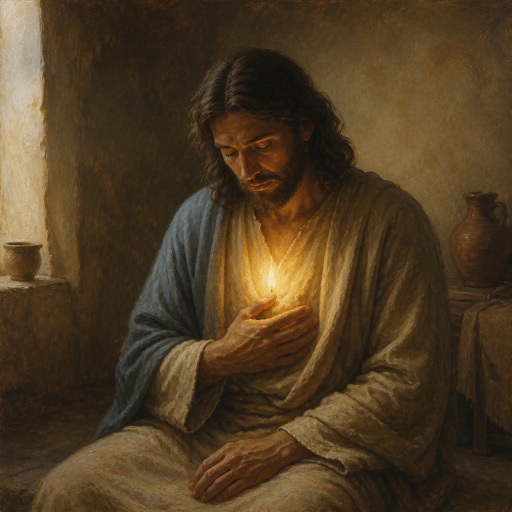
"The spirit of man is the candle of the LORD, searching all the inward parts of the belly." - Proverbs 20:27

Proverbs 27:17

Proverbs 27:17

Proverbs 27:16

Proverbs 17:27-28

Proverbs 17:27-28

Proverbs 7:26-27

Proverbs 17:27-28

proverbs 1:20

proverbs 1:20

Proverbs 27:27 - "And thou shalt have goats' milk enough for thy food, for the food of thy household, and for the maintenance for thy maidens."
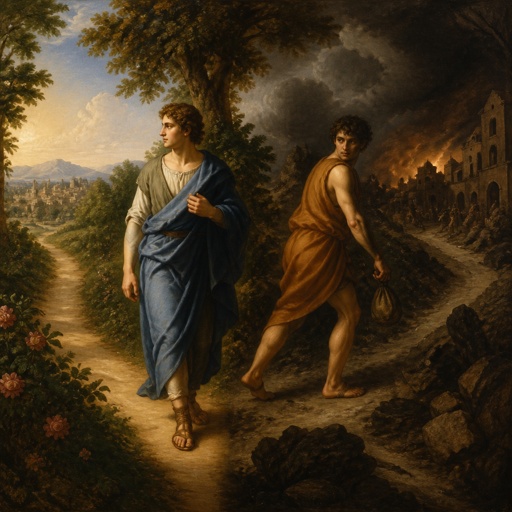
Proverbs 20:24

proverbs 1:20

proverbs 1:20

proverbs 1:20

proverbs 1:20

proverbs 1:20

proverbs 1:20

proverbs 1:20

proverbs 1:20

proverbs 1:20

Proverbs 1:20

proverbs 1:20

proverbs 1:20

proverbs 1:20

proverbs 1:20

proverbs 1:20