What does Proverbs 28:22 mean?
“He that hasteth to be rich hath an evil eye, and considereth not that poverty shall come upon him.” — Proverbs 28:22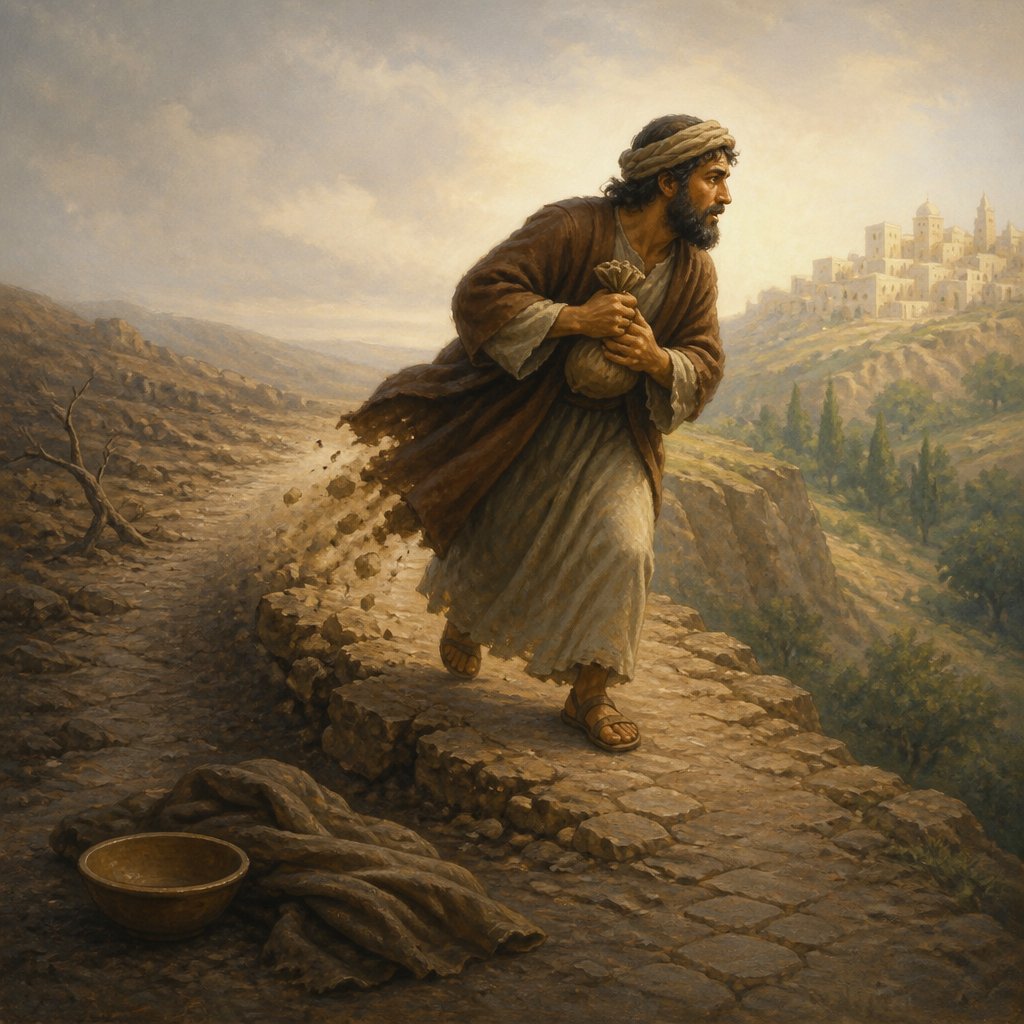
Proverbs 28:22 in the King James Version of the Bible reads, "He that hasteth to be rich hath an evil eye, and considereth not that poverty shall come upon him." This verse is a warning about the dangers of pursuing wealth at the expense of righteous living and prudent decision-making.
The theme of this verse is the folly of pursuing wealth for its own sake, at the expense of ethical behavior and moral principles. The verse warns against greed, haste, and a lack of consideration for the potential consequences of one's actions. It implores the reader to consider the bigger picture, to prioritize integrity and wisdom over the pursuit of material gain. The message of the verse aligns with broader biblical teachings against the love of money and the perils of covetousness and dishonesty.
The context of this verse is within the Book of Proverbs, which is a collection of ancient wisdom literature attributed to King Solomon. The book is comprised of short, pithy statements that offer practical guidance on living a moral and righteous life. Proverbs 28:22 is situated within a section of the book that focuses on the consequences of wickedness and the rewards of righteousness. It serves as a cautionary tale that echoes the broader themes of Proverbs, admonishing readers to seek wisdom, prudence, and righteousness rather than the fleeting allure of material wealth.
The symbolism in this verse is multifaceted. The "evil eye" mentioned represents a sense of greed, envy, and avarice that blinds individuals to the negative repercussions of their actions. It signifies a morally corrupt perspective that values personal gain over ethical considerations. The imagery of "hastening to be rich" suggests a reckless and impulsive pursuit of wealth, motivated by impatience and short-sightedness. This impulsive behavior is contrasted with the inevitably of poverty that "shall come upon him," symbolizing the ultimate futility and self-defeating nature of unethical and shortsighted pursuits of wealth.
Furthermore, the verse can also be interpreted allegorically, with the pursuit of wealth symbolizing the broader pursuit of material desires and worldly success, and poverty symbolizing spiritual poverty and moral bankruptcy. By rushing to attain material wealth without ethical considerations, one ultimately brings spiritual and moral destitution upon themselves. The verse serves as a cautionary tale and a reminder of the importance of living a life of integrity and righteousness, aligning with broader biblical teachings of the value of virtue, humility, and ethical conduct.
In conclusion, Proverbs 28:22 is a potent reminder of the dangers of pursuing wealth at the expense of ethical behavior and moral principles. It serves as a cautionary tale that aligns with the broader themes of the Book of Proverbs, admonishing readers to seek wisdom, prudence, and righteousness rather than the fleeting allure of material gain. The verse's symbolism, context, and powerful message make it a timeless and universal admonition against the perils of greed and the importance of living a life of integrity and virtue.
Get our apps


Artwork for Proverbs 28:22

Proverbs 28:22 - "He that hasteth to be rich hath an evil eye, and considereth not that poverty shall come upon him."
"He that hasteth to be rich hath an evil eye, and considereth not that poverty shall come upon him." - Proverbs 28:22

Proverbs 22:28 - "Remove not the ancient landmark, which thy fathers have set."
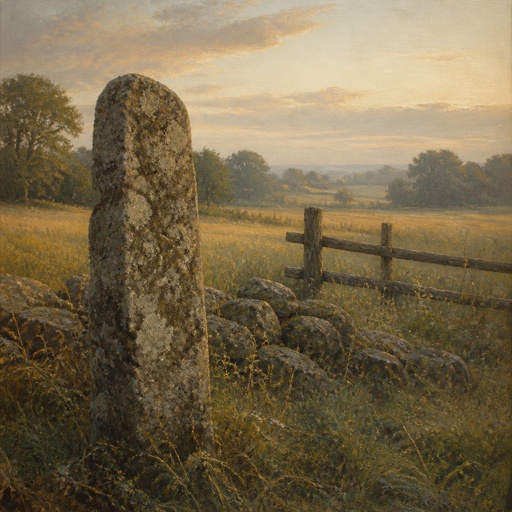
"Remove not the ancient landmark, which thy fathers have set." - Proverbs 22:28

Proverbs:31:28

Proverbs 28:28 - "When the wicked rise, men hide themselves: but when they perish, the righteous increase."
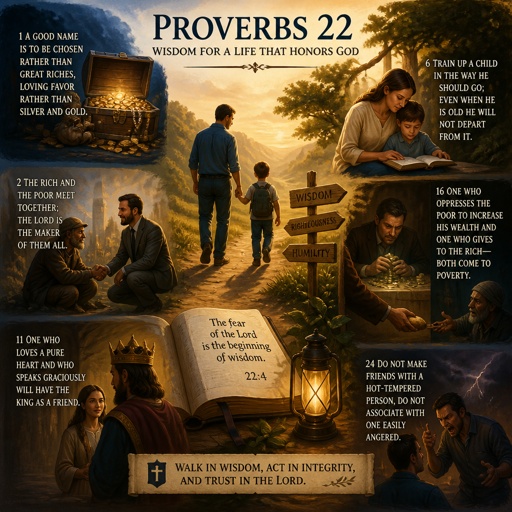
Proverbs 22

Proverbs 17:27-28

Proverbs 17:27-28

Proverbs 17:27-28

Exodus 22:28

Exodus 22:28

Exodus 22:28

Exodus 22:28

Exodus 22:28

Proverbs 22:9

Exodus 22:28

Genesis 28-22

Exodus 22:28

Exodus 22:28

Exodus 22:28

Exodus 22:28

Exodus 22:28

Exodus 22:28

Exodus 22:28

Exodus 22:28

Proverbs 22:22 - "Rob not the poor, because he is poor: neither oppress the afflicted in the gate:"

Proverbs 12:28 - "In the way of righteousness is life; and in the pathway thereof there is no death."

Proverbs 30:28 - "The spider taketh hold with her hands, and is in kings' palaces."

Proverbs 8:22-31