What does Proverbs 29:11 mean?
“A fool uttereth all his mind: but a wise man keepeth it in till afterwards.” — Proverbs 29:11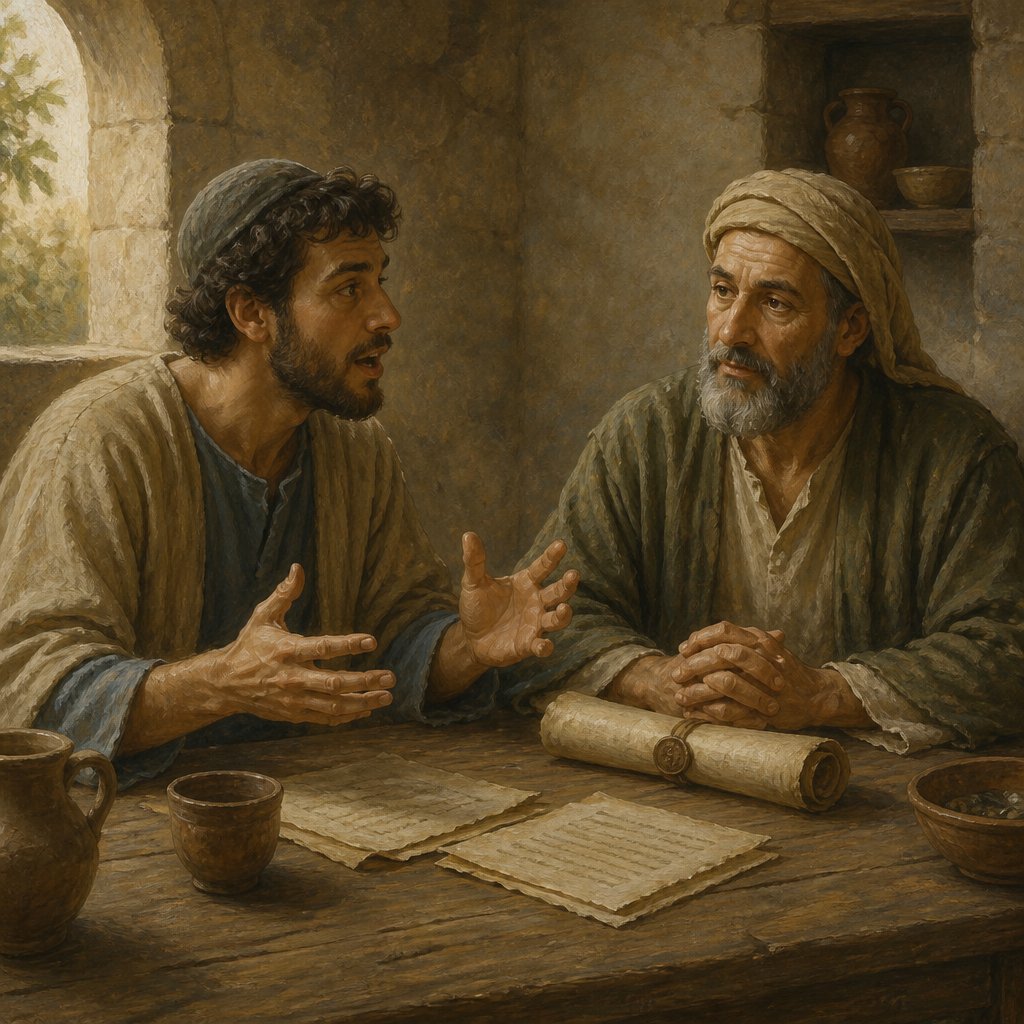
Proverbs 29:11 in the King James Version of the Bible states, "A fool uttereth all his mind: but a wise man keepeth it in till afterwards." This verse, like many in the book of Proverbs, deals with the theme of wisdom and the contrasting behaviors of a fool and a wise man.
In order to fully understand the meaning of this verse, it is important to break down the key components and consider the broader context of the book of Proverbs as a whole. The book of Proverbs is traditionally attributed to King Solomon, who is renowned for his wisdom and is often credited as the author of these wise and pithy sayings. Proverbs is a book of wisdom literature in the Bible, and its primary aim is to impart practical wisdom for living a righteous and fulfilling life. The book is written in the form of short, pithy sayings, often in the form of couplets, which contrast the behavior of the wise with that of the fool.
In Proverbs 29:11, the verse begins by highlighting the behavior of a fool. The fool is depicted as someone who "uttereth all his mind," meaning that they speak without discretion or restraint. They lack self-control and impulsively express their thoughts and emotions without considering the impact of their words. The implication here is that the fool's lack of self-restraint leads to folly and trouble. They are prone to saying things that are unwise, hurtful, or inappropriate, and this behavior can have negative consequences for themselves and those around them.
In contrast, the wise man is described as someone who "keepeth it in till afterwards." This suggests that the wise person exercises self-control and deliberation in their speech. They are careful and circumspect in what they say, choosing their words thoughtfully and speaking at the right time and in the right manner. The wise person understands the power of words and the importance of using them wisely. By exercising restraint and discernment, the wise person cultivates a reputation for prudence, humility, and integrity.
The broader message of this verse is that true wisdom is demonstrated not only in what one says but also in when and how one says it. The ability to exercise self-control and discernment in speech is a hallmark of wisdom, and it is contrasted with the impulsiveness and lack of restraint that characterizes the behavior of a fool.
In addition to the contrast between the fool and the wise man, Proverbs 29:11 also emphasizes the importance of timing in communication. The phrase "keepeth it in till afterwards" suggests that there is a right time and place for speaking one's mind. The wise person understands the value of patience and discernment, knowing that not every thought or opinion needs to be immediately expressed. By waiting for the appropriate moment to speak, the wise person can ensure that their words are constructive, edifying, and well-received.
Symbolically, the contrasting behaviors of the fool and the wise man in this verse can also be seen as representative of broader spiritual and moral principles. The fool, with his impulsive and unguarded speech, can be seen as a symbol of folly, moral recklessness, and disobedience to God's wisdom. In contrast, the wise man, with his self-control and thoughtful speech, embodies the virtues of prudence, humility, and obedience to God's precepts.
Ultimately, Proverbs 29:11 serves as a reminder of the importance of self-control, discernment, and wisdom in speech. It encourages the reader to consider the impact of their words, to exercise restraint and prudence in their communication, and to seek wisdom in their interactions with others. As with many of the proverbs, this verse offers timeless guidance for navigating the complexities of human behavior and relationships, and it continues to be a source of spiritual insight and practical wisdom for readers today.
Get our apps


Artwork for Proverbs 29:11

Proverbs 29:11 - "A fool uttereth all his mind: but a wise man keepeth it in till afterwards."
"A fool uttereth all his mind: but a wise man keepeth it in till afterwards." - Proverbs 29:11

Proverbs 11:29 - "He that troubleth his own house shall inherit the wind: and the fool shall be servant to the wise of heart."
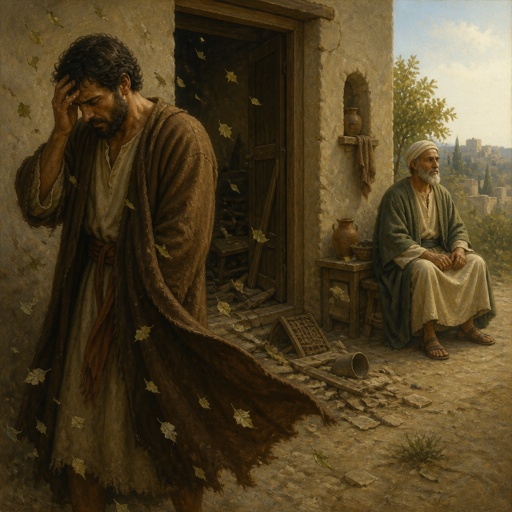
"He that troubleth his own house shall inherit the wind: and the fool shall be servant to the wise of heart." - Proverbs 11:29

Jeremiah 29:11

Proverbs 19:29 - "Judgments are prepared for scorners, and stripes for the back of fools."

Proverbs 1:29 - "For that they hated knowledge, and did not choose the fear of the LORD:"

Proverbs 29:10 - "The bloodthirsty hate the upright: but the just seek his soul."

Proverbs 29:12 - "If a ruler hearken to lies, all his servants are wicked."

Proverbs 29:7 - "The righteous considereth the cause of the poor: but the wicked regardeth not to know it."

Proverbs 29:5 - "A man that flattereth his neighbour spreadeth a net for his feet."

Proverbs 10:29 - "The way of the LORD is strength to the upright: but destruction shall be to the workers of iniquity."

Jeremiah 29:11-13

Jeremiah 29:11-13

Proverbs 29:4 - "The king by judgment establisheth the land: but he that receiveth gifts overthroweth it."

Proverbs 29:6 - "In the transgression of an evil man there is a snare: but the righteous doth sing and rejoice."

Proverbs 15:29 - "The LORD is far from the wicked: but he heareth the prayer of the righteous."

Proverbs 29:19 - "A servant will not be corrected by words: for though he understand he will not answer."

Jeremiah 29:11-13

Jeremiah 29:11-13

Proverbs 20:29 - "The glory of young men is their strength: and the beauty of old men is the gray head."

Proverbs 29:14 - "The king that faithfully judgeth the poor, his throne shall be established for ever."

Proverbs 30:29 - "There be three things which go well, yea, four are comely in going:"

Proverbs 29:16 - "When the wicked are multiplied, transgression increaseth: but the righteous shall see their fall."

Proverbs 29:13 - "The poor and the deceitful man meet together: the LORD lighteneth both their eyes."

Jeremiah 29:11

Proverbs 29:27 - "An unjust man is an abomination to the just: and he that is upright in the way is abomination to the wicked."

Proverbs 31:29 - "Many daughters have done virtuously, but thou excellest them all."

Proverbs 29:22 - "An angry man stirreth up strife, and a furious man aboundeth in transgression."

Proverbs 29:18 - "Where there is no vision, the people perish: but he that keepeth the law, happy is he."