What does Proverbs 29:21 mean?
“He that delicately bringeth up his servant from a child shall have him become his son at the length.” — Proverbs 29:21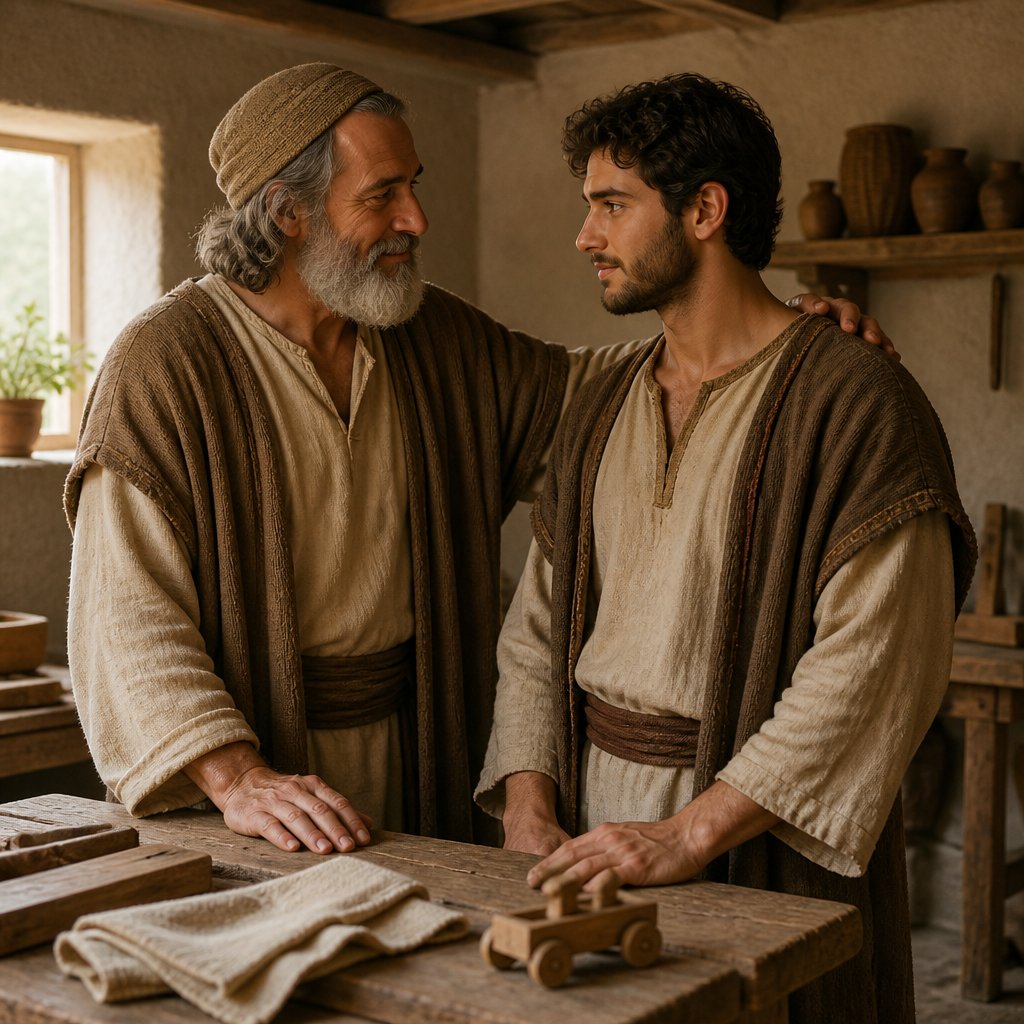
Proverbs 29:21 (KJV) states, "He that delicately bringeth up his servant from a child shall have him become his son at the length." This verse contains a depth of meaning and wisdom that can be unpacked through an exploration of its themes, context, and symbolism.
The theme of this verse revolves around the idea of nurturing and upbringing, and the consequences that result from the manner in which a person is raised. It speaks to the relationship between a master and a servant, and how the master's treatment of the servant during his formative years will ultimately impact the dynamics of their relationship in the long run.
Context plays a significant role in understanding the depth of this verse. In ancient Israel, it was common for families to have servants or slaves who were considered part of the household. These individuals were often brought into the family at a young age and raised alongside the master's own children. The treatment of these servants during their upbringing had a profound impact on their future roles within the household.
Symbolism is also present in this verse, as it uses the relationship between a master and servant as a metaphor for broader truths about human nature and relationships. The delicate upbringing of a servant is made equivalent to the act of nurturing a child and raising them with care and tenderness. This symbolizes the value of love, kindness, and compassion in all forms of relationships.
On a deeper level, this verse carries a message about the long-term effects of how we treat others, particularly those in subordinate positions. The notion of bringing up a servant delicately suggests that the master is to treat the servant with respect, dignity, and kindness from a young age. When this is done, the servant will eventually become like a son to the master. This transformation speaks to the power of love and compassion in fostering loyalty, trust, and deep bonds between individuals.
The verse also highlights the importance of investing in the upbringing and well-being of others, regardless of their social or economic status. It emphasizes the long-term benefits of treating others with care and consideration, and how this can ultimately lead to meaningful and mutually beneficial relationships.
Furthermore, the verse serves as a reminder of the responsibilities and obligations that come with power and authority. The master is called to recognize the humanity and worth of the servant, and to create an environment that fosters growth, development, and a sense of belonging for the servant. This speaks to the broader biblical principle of stewardship and the call to use our resources and influence in ways that honor and uplift others.
In summary, Proverbs 29:21 (KJV) contains profound wisdom about the power of nurture, care, and respect in shaping relationships and fostering meaningful connections with others. It challenges us to consider the impact of our actions on those around us, and to approach all relationships with love, kindness, and a sense of responsibility. This verse offers a timeless and universal truth that extends beyond its original context, and continues to offer guidance for how we should navigate relationships and treat others with dignity and compassion.
Get our apps


Artwork for Proverbs 29:21

Proverbs 29:21 - "He that delicately bringeth up his servant from a child shall have him become his son at the length."
"He that delicately bringeth up his servant from a child shall have him become his son at the length." - Proverbs 29:21

Proverbs 21:29 - "A wicked man hardeneth his face: but as for the upright, he directeth his way."

"A wicked man hardeneth his face: but as for the upright, he directeth his way." - Proverbs 21:29

Proverbs 18:21

Proverbs 18:21

Proverbs 18:21

Proverbs 18:21

Proverbs 18:21

Proverbs 18:21

Proverbs 18:21

Proverbs 18:21

Proverbs 18:21

Proverbs 18:21
Proverbs 18:21

Proverbs 18:21

Genesis 21-29

Proverbs 19:29 - "Judgments are prepared for scorners, and stripes for the back of fools."

Proverbs 1:29 - "For that they hated knowledge, and did not choose the fear of the LORD:"

proverbs 21 7

Proverbs 31:21

Proverbs 29:10 - "The bloodthirsty hate the upright: but the just seek his soul."

Proverbs 29:12 - "If a ruler hearken to lies, all his servants are wicked."

Proverbs 21:21 - "He that followeth after righteousness and mercy findeth life, righteousness, and honour."

Proverbs 29:7 - "The righteous considereth the cause of the poor: but the wicked regardeth not to know it."

Proverbs 29:5 - "A man that flattereth his neighbour spreadeth a net for his feet."

Proverbs 10:29 - "The way of the LORD is strength to the upright: but destruction shall be to the workers of iniquity."

Proverbs 29:4 - "The king by judgment establisheth the land: but he that receiveth gifts overthroweth it."

Proverbs 29:6 - "In the transgression of an evil man there is a snare: but the righteous doth sing and rejoice."

Proverbs 15:29 - "The LORD is far from the wicked: but he heareth the prayer of the righteous."