What does Proverbs 29:27 mean?
“An unjust man is an abomination to the just: and he that is upright in the way is abomination to the wicked.” — Proverbs 29:27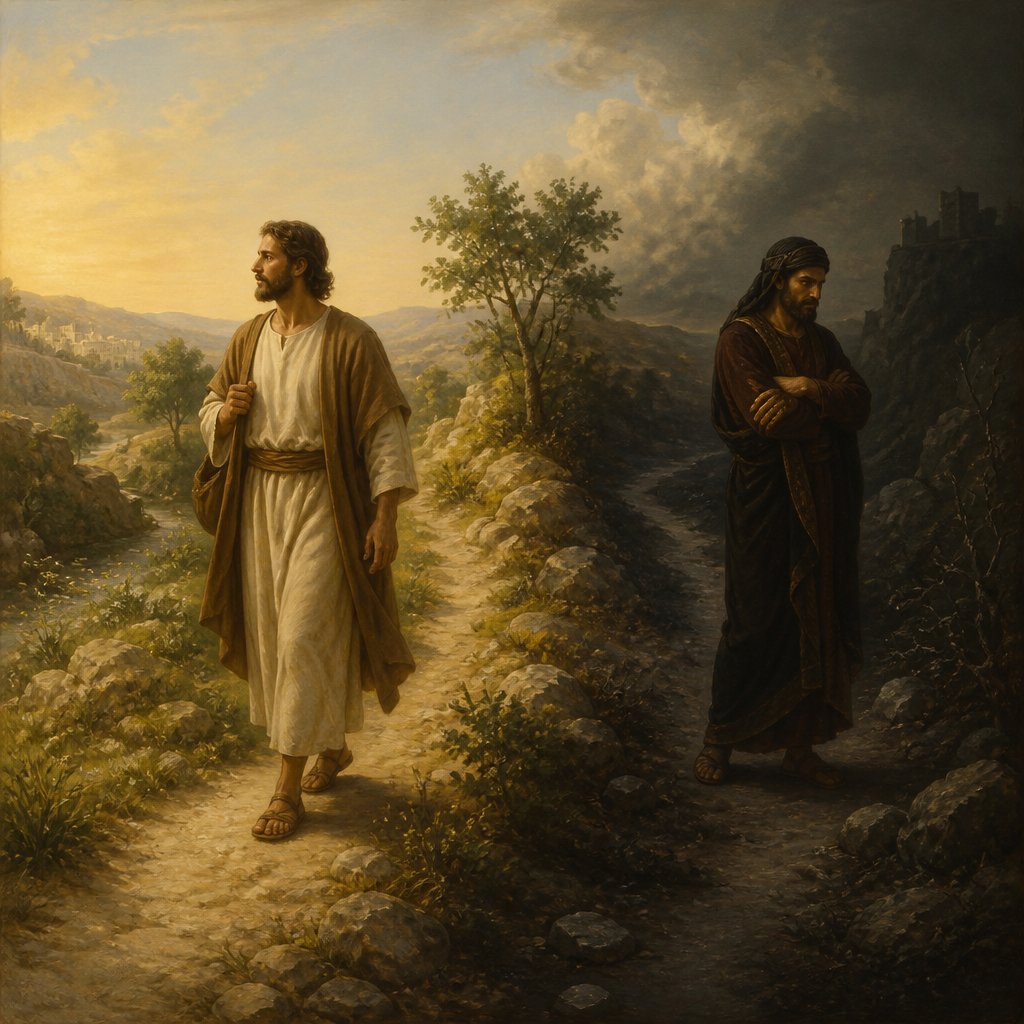
Proverbs 29:27 in the King James Version of the Bible reads, "An unjust man is an abomination to the just: and he that is upright in the way is abomination to the wicked." This verse addresses the contrast between the upright and the unjust, as well as the reaction each group has to the other. It speaks to the tension and conflict that often exists between those who follow a righteous path and those who choose to live in a deceitful and unjust manner. This passage provides important insights into the themes of righteousness, wickedness, and the clash between the two in the context of society.
One of the key themes in this verse is the concept of justice and righteousness. It highlights the stark contrast between those who uphold moral integrity and those who engage in dishonest and unjust behavior. The "just" or upright individual is someone who adheres to a code of moral conduct and seeks to do what is right in the sight of God and humanity. On the other hand, the "unjust" or wicked person is characterized by their deceitful actions and lack of regard for ethical standards. This dichotomy between righteousness and wickedness reflects the broader biblical theme of the struggle between good and evil, light and darkness.
The verse also sheds light on the interpersonal dynamics between the just and the unjust. It emphasizes the mutual disapproval and aversion that exists between these two groups. The upright individual finds the unjust person to be an "abomination," or something detestable and repugnant. Conversely, the unjust person views the upright individual in a similar manner. This dynamic captures the inherent conflict and tension that often arises when people of differing moral character interact with one another.
Furthermore, this verse serves as a commentary on the broader societal context in which these moral contrasts play out. It acknowledges the presence of both the just and the unjust within the social fabric and acknowledges the strife that arises from their coexistence. The verse suggests that the clash between these two groups is inevitable, as their opposing values and actions are diametrically opposed.
Symbolism plays a prominent role in understanding the deeper meaning of this verse. The use of "abomination" to describe the feelings of the just and the wicked towards each other is significant. In biblical terms, the term "abomination" carries a weighty connotation, typically used to describe actions or behaviors that are offensive to God. By employing this word, the verse underscores the severity of the disdain and enmity that exists between the two groups. It also conveys the idea that moral misalignment is not merely a matter of personal preference, but rather a transgression against divine principles.
In conclusion, Proverbs 29:27 in the King James Version offers a profound insight into the contrasting nature of righteousness and wickedness and the conflicts that arise from their coexistence. It delves into the themes of justice, morality, and societal dynamics, shedding light on the inherent tension between the just and the unjust. Through its vivid imagery and stark juxtaposition, this verse serves as a powerful reminder of the enduring struggle between good and evil and the consequences that arise from moral misalignment.
Get our apps


Artwork for Proverbs 29:27

Proverbs 29:27 - "An unjust man is an abomination to the just: and he that is upright in the way is abomination to the wicked."
"An unjust man is an abomination to the just: and he that is upright in the way is abomination to the wicked." - Proverbs 29:27

Proverbs 27:17

Proverbs 27:17

Proverbs 27:16

Proverbs 17:27-28

Proverbs 17:27-28

Proverbs 7:26-27

Proverbs 17:27-28

1 Samuel 20:27-29

Proverbs 19:29 - "Judgments are prepared for scorners, and stripes for the back of fools."

Proverbs 1:29 - "For that they hated knowledge, and did not choose the fear of the LORD:"

Proverbs 27:27 - "And thou shalt have goats' milk enough for thy food, for the food of thy household, and for the maintenance for thy maidens."

Proverbs 29:10 - "The bloodthirsty hate the upright: but the just seek his soul."

Proverbs 29:12 - "If a ruler hearken to lies, all his servants are wicked."

Proverbs 29:7 - "The righteous considereth the cause of the poor: but the wicked regardeth not to know it."

Proverbs 27:26 - "The lambs are for thy clothing, and the goats are the price of the field."

Proverbs 27:6 - "Faithful are the wounds of a friend; but the kisses of an enemy are deceitful."

Proverbs 29:5 - "A man that flattereth his neighbour spreadeth a net for his feet."

Proverbs 10:29 - "The way of the LORD is strength to the upright: but destruction shall be to the workers of iniquity."

Proverbs 27:5 - "Open rebuke is better than secret love."

Proverbs 29:4 - "The king by judgment establisheth the land: but he that receiveth gifts overthroweth it."

Proverbs 29:6 - "In the transgression of an evil man there is a snare: but the righteous doth sing and rejoice."

Proverbs 15:29 - "The LORD is far from the wicked: but he heareth the prayer of the righteous."

Proverbs 29:19 - "A servant will not be corrected by words: for though he understand he will not answer."

Proverbs 20:29 - "The glory of young men is their strength: and the beauty of old men is the gray head."

Proverbs 29:14 - "The king that faithfully judgeth the poor, his throne shall be established for ever."

Proverbs 30:29 - "There be three things which go well, yea, four are comely in going:"

Proverbs 29:16 - "When the wicked are multiplied, transgression increaseth: but the righteous shall see their fall."

Proverbs 29:13 - "The poor and the deceitful man meet together: the LORD lighteneth both their eyes."