What does Proverbs 4:12 mean?
"When thou goest, thy steps shall not be straitened; and when thou runnest, thou shalt not stumble." - Proverbs 4:12

Proverbs 4:12, according to the King James Version (KJV), states, "When thou goest, thy steps shall not be straitened; and when thou runnest, thou shalt not stumble." This verse comes from the Book of Proverbs, a collection of sayings and wisdom attributed to King Solomon, known for his profound insights and understanding of the human condition.
The meaning of this verse is multi-faceted and can be interpreted in various ways. At its core, Proverbs 4:12 is a message of guidance and protection. It speaks to the idea that those who follow the path of wisdom will not be hindered or stumble in their journey through life. The verse suggests that by living a life of virtue, one can avoid the pitfalls and obstacles that may impede their progress.
In a broader sense, Proverbs 4:12 can be seen as a metaphor for the spiritual journey. The idea of "thy steps shall not be straitened" speaks to the notion of finding a clear and unobstructed path in life. This can be understood as a promise of divine guidance and support for those who walk in righteousness. It is a reassurance that those who seek wisdom and follow the ways of God will be led on a straight and narrow path, free from the entanglements of sin and temptation.
The phrase "when thou runnest, thou shalt not stumble" further emphasizes the idea of security and assurance. Running implies a sense of urgency and purpose, and this line suggests that even in moments of haste or fervor, those who follow wisdom will not falter. It speaks to the steadiness and sure-footedness that comes from living a life in alignment with God's will.
The context of Proverbs 4:12 is important to consider in understanding its significance. The Book of Proverbs is a collection of teachings aimed at imparting wisdom and moral guidance. It is written in the form of a father passing down his knowledge to his son, urging him to heed his words and live a life of virtue. In this context, Proverbs 4:12 can be seen as a fatherly admonition, a reminder to the reader of the benefits of following the path of wisdom.
Symbolism also plays a role in the interpretation of Proverbs 4:12. The imagery of walking and running speaks to the journey of life, with its ups and downs, twists and turns. The promise of unimpeded steps and freedom from stumbling can be seen as an allegory for the challenges and trials that one may face. It symbolizes the idea that with wisdom as a guide, one can navigate through life's obstacles with grace and resilience.
One of the key themes of Proverbs 4:12 is the idea of trust and reliance on God. It is a call to lean on God's wisdom and guidance, as it is the surest way to navigate through the complexities of life. The verse encourages the reader to have faith in the path laid out by God and to trust in His divine providence.
In conclusion, Proverbs 4:12 is a verse that offers comfort and reassurance to those who seek wisdom and live a life of righteousness. It serves as a reminder that by following the path of virtue, one can find security, stability, and protection from the stumbling blocks of life. Ultimately, the verse speaks to the enduring message of trust in God's wisdom and the promise of a steady and unobstructed path for those who seek to follow His ways.
Have questions about Proverbs 4:12?
Dive deeper into this scripture with Bible Chat — an AI-powered tool for exploring God's Word through conversation. Ask questions, get context, and grow in your understanding of the Bible.
Get Our Apps


Proverbs 4:12 Artwork

Proverbs 4:12 - "When thou goest, thy steps shall not be straitened; and when thou runnest, thou shalt not stumble."

"When thou goest, thy steps shall not be straitened; and when thou runnest, thou shalt not stumble." - Proverbs 4:12

Proverbs 12:4 - "A virtuous woman is a crown to her husband: but she that maketh ashamed is as rottenness in his bones."
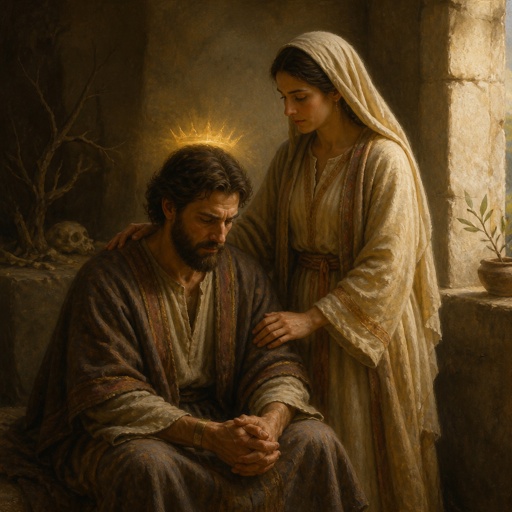
"A virtuous woman is a crown to her husband: but she that maketh ashamed is as rottenness in his bones." - Proverbs 12:4

proverbs 5:12

Proverbs 12:5

proverbs 5:12

Proverbs 12:12 - "The wicked desireth the net of evil men: but the root of the righteous yieldeth fruit."

Proverbs 4:23

Proverbs 4:23

Proverbs 4:23

Proverbs 4:23

Proverbs 4:23

Proverbs 4:23

proverbs 5:11-12

proverbs 5:11-12

Proverbs. 4:23

Proverbs 12:5 - "The thoughts of the righteous are right: but the counsels of the wicked are deceit."

Proverbs 12:7 - "The wicked are overthrown, and are not: but the house of the righteous shall stand."

Proverbs 12:28 - "In the way of righteousness is life; and in the pathway thereof there is no death."

Proverbs 16:12 - "It is an abomination to kings to commit wickedness: for the throne is established by righteousness."

Proverbs 6:12 - "¶ A naughty person, a wicked man, walketh with a froward mouth."

Proverbs 29:12 - "If a ruler hearken to lies, all his servants are wicked."

Proverbs 12:18 - "There is that speaketh like the piercings of a sword: but the tongue of the wise is health."

Proverbs 12:22 - "Lying lips are abomination to the LORD: but they that deal truly are his delight."

Proverbs 18:12 - "Before destruction the heart of man is haughty, and before honour is humility."

Proverbs 12:16 - "A fool's wrath is presently known: but a prudent man covereth shame."

Proverbs 12:21 - "There shall no evil happen to the just: but the wicked shall be filled with mischief."

Proverbs 12:20 - "Deceit is in the heart of them that imagine evil: but to the counsellors of peace is joy."

Proverbs 30:12 - "There is a generation that are pure in their own eyes, and yet is not washed from their filthiness."