What does Proverbs 5:17 mean?
“Let them be only thine own, and not strangers’ with thee.” — Proverbs 5:17
Proverbs 5:17 (KJV) states, "Let them be only thine own, and not strangers' with thee." This verse is a part of the book of Proverbs, which is a collection of wise sayings and advice attributed to Solomon, the son of King David.
This particular verse is part of a larger passage that discusses the importance of faithfulness and commitment in marriage. In the preceding verses, the writer encourages the reader to be satisfied with the love of their spouse and to refrain from seeking satisfaction outside of their marriage. Verse 15 says, "Drink waters out of thine own cistern, and running waters out of thine own well," emphasizing the exclusivity and purity of the spousal relationship.
The message of Proverbs 5:17 is clear in its admonishment to keep one's love and affection exclusively within the boundaries of marriage. It is a warning against seeking emotional or physical intimacy with anyone other than one's spouse. The use of the word "strangers" in this verse implies that one should not share their intimate affections with anyone outside of the marriage covenant. This verse promotes the value of faithfulness and commitment in marriage, and it serves as a reminder of the sanctity of the marital bond.
In a broader context, the book of Proverbs offers practical wisdom for living a righteous and godly life. It addresses various aspects of human behavior, including relationships, work, money, and morality. The overarching theme of the book is the pursuit of wisdom and the fear of the Lord. In the context of Proverbs 5, the emphasis is on the moral and ethical conduct within marriage, highlighting the importance of fidelity and purity in the marital relationship.
The symbolism in Proverbs 5:17 lies in the imagery of exclusivity and ownership. The language of possession and belonging is used to convey the idea that marital love and intimacy should be reserved solely for one's spouse. This speaks to the sacredness of the marital bond and the commitment to honor and cherish one's partner. The imagery of "strangers" further underscores the notion of loyalty and fidelity, emphasizing the importance of not allowing external influences to infiltrate the sanctity of the marriage relationship.
From a theological perspective, Proverbs 5:17 aligns with the biblical teaching on marriage and sexuality. Throughout the Bible, marriage is depicted as a sacred covenant ordained by God, and fidelity within marriage is upheld as a moral imperative. The New Testament, in particular, emphasizes the mutual love, honor, and commitment between spouses, as exemplified in Ephesians 5 and 1 Corinthians 7.
In conclusion, Proverbs 5:17 carries a timeless message of faithfulness and commitment within the context of marriage. Its admonition to keep one's affections exclusively for one's spouse serves as a reminder of the sanctity of the marital bond and the call to honor and cherish one another. This verse is emblematic of the broader themes of wisdom, morality, and righteousness found in the book of Proverbs, and it resonates with the biblical teachings on marriage and fidelity. As such, it offers timeless wisdom for navigating the complexities of human relationships and upholding the values of love and loyalty within the marital union.
Get our apps


Artwork for Proverbs 5:17

Proverbs 5:17 - "Let them be only thine own, and not strangers' with thee."

"Let them be only thine own, and not strangers' with thee." - Proverbs 5:17

Proverbs 17:5 - "Whoso mocketh the poor reproacheth his Maker: and he that is glad at calamities shall not be unpunished."
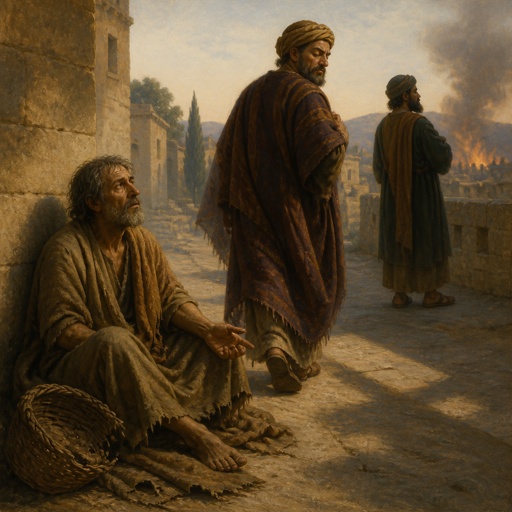
"Whoso mocketh the poor reproacheth his Maker: and he that is glad at calamities shall not be unpunished." - Proverbs 17:5

Proverbs 17:17 - "A friend loveth at all times, and a brother is born for adversity."

Proverbs 17:6

Proverbs 27:17

Proverbs 27:17

Proverbs 1:5

Proverbs 17:27-28

Proverbs 17:27-28

Proverbs 17:27-28

Proverbs 1:5

Proverbs 1:5

Proverbs 1:5

Proverbs 1:5

Proverbs 1:5

Proverbs 4:17 - "For they eat the bread of wickedness, and drink the wine of violence."

Proverbs 1:5

Proverbs 1:5

proverbs 5:12

Proverbs 1:5

Proverbs 1:5

proverbs 5:11

Proverbs 1:5

Proverbs 1:5

proverbs 5:12

Proverbs 12:5

"A friend loveth at all times, and a brother is born for adversity." - Proverbs 17:17

Proverbs 1:17 - "Surely in vain the net is spread in the sight of any bird."