
Proverbs 6:7 from the King James Version of the Bible reads, "Which having no guide, overseer, or ruler." This verse is part of a larger passage in the book of Proverbs that focuses on the wisdom and industry of the ant. In this particular verse, the ant is referenced as a creature that is able to work diligently and purposefully without the need for external supervision or direction.
The book of Proverbs is known for its practical wisdom and guidance for living a righteous and virtuous life. It is often attributed to King Solomon, known for his great wisdom, and contains teachings on various topics ranging from morality and ethics to interpersonal relationships and personal conduct. Proverbs is meant to be a guide for wise and righteous living, and this particular verse is no exception.
The context of Proverbs 6:7 is important to understanding its deeper meaning. In the previous verses, the author admonishes the reader to consider the ways of the ant and to learn from its industriousness. The ant is described as a creature that gathers food in the summer and stores it for the winter, displaying foresight and prudence. The verse in question emphasizes the ant's ability to work independently and diligently without the need for external guidance or supervision.
The theme of self-discipline and diligence is central to this verse. The ant serves as a model of industry and self-reliance, demonstrating the value of hard work and responsibility. The verse encourages the reader to emulate the ant's work ethic and take initiative in their own endeavors, without relying on others to provide direction or oversight.
Symbolically, the ant represents qualities such as industry, foresight, and independence. In many cultures, the ant is seen as a symbol of diligence and hard work, often appearing in fables and stories as a model of perseverance and determination. The ant's ability to work without a guide, overseer, or ruler reflects a sense of self-motivation and responsibility, showing that it is possible to achieve success through individual effort and initiative.
From a theological perspective, this verse can be seen as a metaphor for the believer's relationship with God. In the absence of a physical guide, overseer, or ruler, the believer is called to rely on their own faith and moral compass to live a righteous and virtuous life. The verse underscores the importance of personal responsibility and accountability in one's spiritual journey, emphasizing the need for self-discipline and self-motivation in pursuing a life of faith and virtue.
In conclusion, Proverbs 6:7 from the King James Version of the Bible offers valuable insights into the significance of self-discipline, diligence, and self-reliance. The verse uses the example of the ant to encourage the reader to take initiative in their own endeavors and to work diligently without the need for external oversight. Symbolically, the ant represents qualities such as industry and independence, while the verse also carries a deeper theological significance in emphasizing the believer's personal responsibility in their spiritual journey. As a part of the larger wisdom literature in the Bible, this verse serves as a timeless and universal teaching on the value of self-discipline and self-motivation in living a righteous and virtuous life.
Get our apps


Artwork for Proverbs 6:7

Proverbs 6:7 - "Which having no guide, overseer, or ruler,"

"Which having no guide, overseer, or ruler," - Proverbs 6:7

Proverbs 7:6 - "¶ For at the window of my house I looked through my casement,"
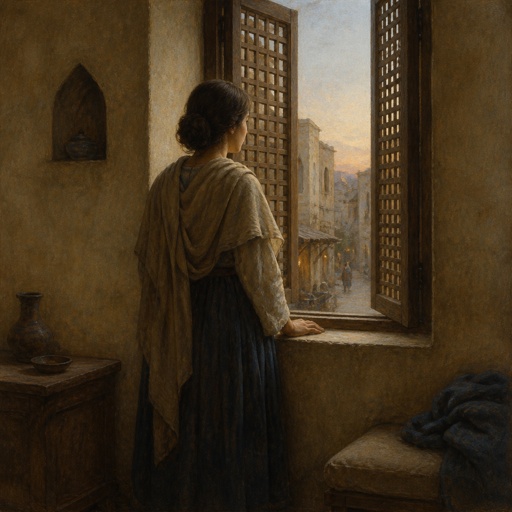
"¶ For at the window of my house I looked through my casement," - Proverbs 7:6

Proverbs 2:6-7 - "For the Lord gives wisdom; from his mouth come knowledge and understanding; he stores up sound wisdom for the upright; he is a shield to those who walk in integrity."

Proverbs 1:6

Proverbs 1:6

Proverbs 1:6

Proverbs 1:6

Proverbs 17:6

Proverbs 7:26

Proverbs 1:6

Proverbs 1:6

Proverbs 1:6

Proverbs 11:7

proverbs 21 7

Proverbs 6:6 - "¶ Go to the ant, thou sluggard; consider her ways, and be wise:"

Proverbs 3:5-6

Proverbs 3:5-6

Proverbs 7:26-27

Proverbs 1:6 - "To understand a proverb, and the interpretation; the words of the wise, and their dark sayings."

Proverbs 7:7 - "And beheld among the simple ones, I discerned among the youths, a young man void of understanding,"

Proverbs 7:9 - "In the twilight, in the evening, in the black and dark night:"

Proverbs 7:19 - "For the goodman is not at home, he is gone a long journey:"

Proverbs 27:6 - "Faithful are the wounds of a friend; but the kisses of an enemy are deceitful."

Proverbs 9:6 - "Forsake the foolish, and live; and go in the way of understanding."

Proverbs 12:7 - "The wicked are overthrown, and are not: but the house of the righteous shall stand."

Proverbs 6:12 - "¶ A naughty person, a wicked man, walketh with a froward mouth."

Proverbs 15:6 - "In the house of the righteous is much treasure: but in the revenues of the wicked is trouble."

Proverbs 22:7 - "The rich ruleth over the poor, and the borrower is servant to the lender."