What does Psalms 102:1 mean?
“Hear my prayer, O LORD, and let my cry come unto thee.” — Psalms 102:1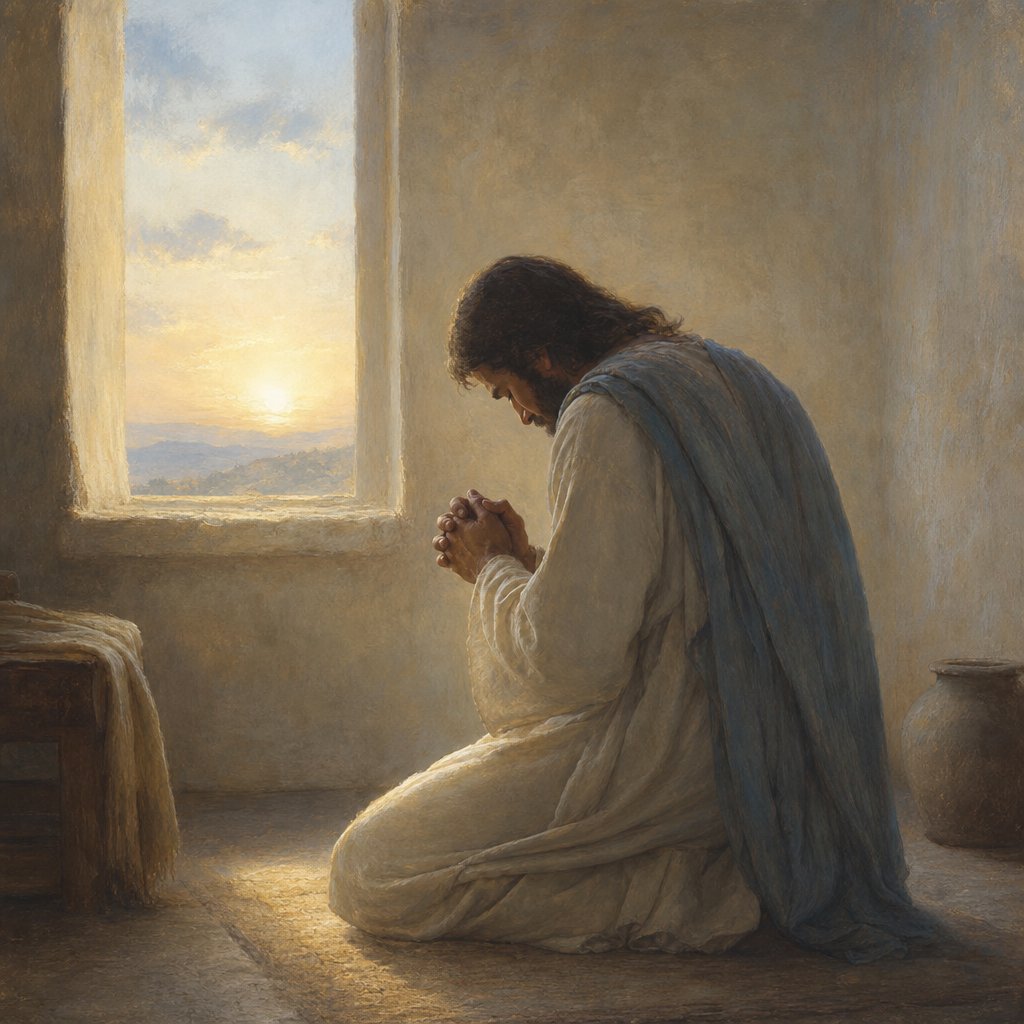
“Psalms 102:1” in the King James Version reads, “Hear my prayer, O LORD, and let my cry come unto thee.”
In its plain sense, the verse is a direct appeal for God to listen. The speaker is not offering a casual request but pressing a plea with urgency: “Hear” is the language of desperation, and “cry” suggests a voice pushed past ordinary speech into anguish. The verse therefore sets the tone for the whole psalm as an act of worship that is also an act of survival. It assumes that prayer is not merely ritual or poetry, but a real reaching of the afflicted toward the living God, and it asks for something fundamental before any other answer is even considered: the attention of the LORD.
The context supplied by the psalm’s own heading in the KJV is crucial: “A Prayer of the afflicted, when he is overwhelmed, and poureth out his complaint before the LORD.” Psalms 102 is intentionally framed as a faithful person’s prayer from within crushing distress. Verse 1 functions like the opening knock at heaven’s door. Before the psalmist describes sickness, sorrow, loneliness, or the sense of life wasting away, he begins with this request that God would not remain distant. That order matters. The verse shows that biblical lament is not unbelief; it is faith speaking honestly in pain. The psalmist does not stop addressing God because he is overwhelmed. He addresses God because he is overwhelmed.
Several themes gather into this single sentence. One is intimacy and covenant confidence. The psalmist calls on “O LORD,” using the divine name as it appears in the KJV, a name tied to God’s revealed identity and faithfulness. The cry is not directed into emptiness. It is directed to One known for hearing, remembering, and keeping covenant. Another theme is the difference between merely speaking about trouble and bringing trouble before God. “My prayer” and “my cry” are personal; the affliction is not abstract, and neither is the petition. In a psalm of deep suffering, the first act is to claim the right—by grace and relationship—to be heard.
The symbolism is also important, especially in the words “hear” and “come unto thee.” “Hear” is more than auditory perception in biblical language; it often carries the sense of heed, attend, respond. When the psalmist asks God to hear, he is asking for divine regard and intervention, not simply awareness. “Let my cry come unto thee” uses the imagery of approach and access. The cry is pictured as traveling toward God, and the psalmist pleads that it would not be blocked—by distance, by sin, by circumstance, or by the feeling that heaven is shut. In Scripture, to “come unto” God is frequently associated with nearness, acceptance, and the possibility of help. The verse is thus a request for open communion: that the sufferer’s voice would reach the throne rather than fall back unheard.
This opening also carries a quiet confession about God’s sovereignty. The psalmist cannot force an answer; he must ask for an audience. That posture acknowledges that God is high, holy, and free, and yet approachable. The verse holds together two truths that make lament possible: God is above the sufferer, and God is near enough to be addressed. Because of that, the psalmist can pour out complaint without abandoning reverence. The plea is urgent, but it is still prayer.
In the wider movement of Psalms 102, this first verse becomes significant because the psalm will eventually lift its eyes from personal misery to the enduring reign of God. The afflicted one’s life feels like it is fading, but the psalm later contrasts that fragility with the LORD who “shall endure for ever.” Verse 1 is the hinge that makes that journey possible: it begins in raw pain, but it begins with God. The significance is that suffering is not presented as a reason to stop praying; it is presented as the very reason to pray, and the first need is not an explanation but a hearing. The verse teaches that in the darkest overwhelm, faith may be reduced to a single sentence, yet that sentence still reaches upward: “Hear my prayer, O LORD, and let my cry come unto thee.”
Get our apps


Artwork for Psalms 102:1

Psalms 102:1 - "Hear my prayer, O LORD, and let my cry come unto thee."

"Hear my prayer, O LORD, and let my cry come unto thee." - Psalms 102:1
"Hear my prayer, O LORD, and let my cry come unto thee." - Psalms 102:1

Psalm 102:20

Psalms 102:17 - "He will regard the prayer of the destitute, and not despise their prayer."

Psalms 102:21 - "To declare the name of the LORD in Zion, and his praise in Jerusalem;"

Psalms 102:22 - "When the people are gathered together, and the kingdoms, to serve the LORD."

Psalms 102:20 - "To hear the groaning of the prisoner; to loose those that are appointed to death;"

Psalms 102:7 - "I watch, and am as a sparrow alone upon the house top."

"For my days are consumed like smoke, and my bones are burned as an hearth." - Psalms 102:3

Psalms 102:27 - "But thou art the same, and thy years shall have no end."

"My days are like a shadow that declineth; and I am withered like grass." - Psalms 102:11

Psalms 102:3 - "For my days are consumed like smoke, and my bones are burned as an hearth."

Psalms 102:14 - "For thy servants take pleasure in her stones, and favour the dust thereof."

Psalms 102:23 - "He weakened my strength in the way; he shortened my days."

Psalms 102:5 - "By reason of the voice of my groaning my bones cleave to my skin."

"I am like a pelican of the wilderness: I am like an owl of the desert." - Psalms 102:6

Psalms 102:25 - "Of old hast thou laid the foundation of the earth: and the heavens are the work of thy hands."

Psalms 102:11 - "My days are like a shadow that declineth; and I am withered like grass."

Psalms 119:102 - "I have not departed from thy judgments: for thou hast taught me."

Psalms 102:6 - "I am like a pelican of the wilderness: I am like an owl of the desert."

Psalms 102:28 - "The children of thy servants shall continue, and their seed shall be established before thee."

Psalms 102:9 - "For I have eaten ashes like bread, and mingled my drink with weeping,"

"Of old hast thou laid the foundation of the earth: and the heavens are the work of thy hands." - Psalms 102:25

"I have not departed from thy judgments: for thou hast taught me." - Psalms 119:102

Psalms 102:16 - "When the LORD shall build up Zion, he shall appear in his glory."

Psalms 102:15 - "So the heathen shall fear the name of the LORD, and all the kings of the earth thy glory."

Psalms 102:18 - "This shall be written for the generation to come: and the people which shall be created shall praise the LORD."

Psalms 102:12 - "But thou, O LORD, shalt endure for ever; and thy remembrance unto all generations."

Psalms 102:8 - "Mine enemies reproach me all the day; and they that are mad against me are sworn against me."