What does Psalms 106:28 mean?
“They joined themselves also unto Baal-peor, and ate the sacrifices of the dead.” — Psalms 106:28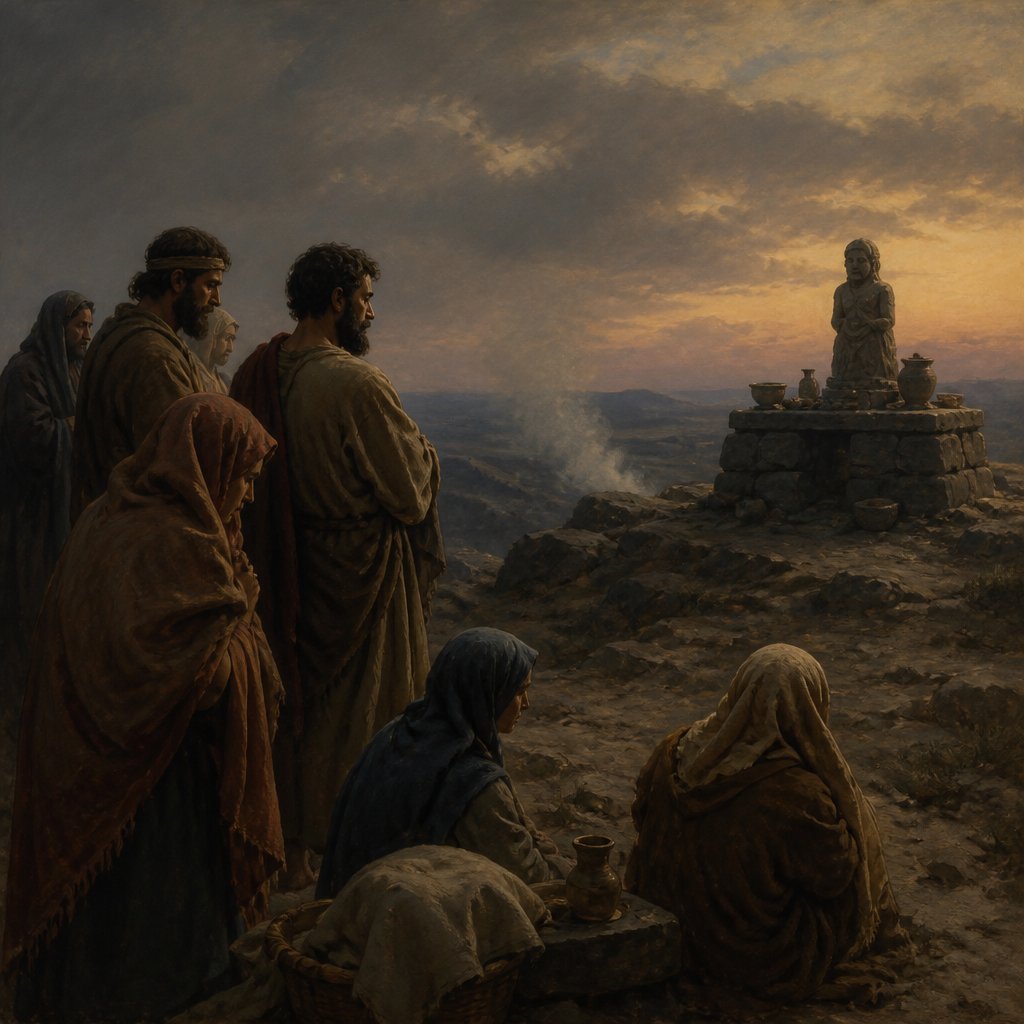
Psalms 106:28 (KJV) says, "They joined themselves also unto Baalpeor, and ate the sacrifices of the dead." This verse is part of a larger psalm that reflects on the history of Israel and their repeated disobedience to God. The psalmist acknowledges the Israelites' sinfulness and rebellion, but also highlights God's faithfulness and mercy.
In order to understand the full significance and context of this verse, it is important to review the historical background. The incident being referenced here took place during the time of Moses, as recorded in the book of Numbers. The Israelites, while wandering in the wilderness, fell into idolatry and sexual immorality by joining themselves to the Moabite deity, Baalpeor. This act was a direct violation of God's commandments, as the Israelites were in a covenant relationship with the one true God.
The mention of "eating the sacrifices of the dead" is a reference to the pagan practices associated with Baal worship. The worshipers of Baal would offer sacrifices to their god, often involving the consumption of food that had been offered to the idol. By participating in these rituals, the Israelites were not only engaging in idolatry but also partaking in practices that were spiritually defiling.
At its core, this verse serves as a warning against the dangers of spiritual compromise and disobedience. The Israelites' actions demonstrate the lure of foreign gods and the constant struggle to remain faithful to the one true God. The consequences of their disobedience were severe, as seen in the subsequent verses of the psalm where God's judgment is described.
The theme of faithfulness and mercy is also evident in this verse. Despite the Israelites' persistent rebellion, God remained patient and forgiving. This reflects the overarching message of the entire psalm – that while the people of Israel continuously turned away from God, He continued to show them mercy and compassion.
The symbolism in this verse is rich and significant. Baalpeor represents the false gods and idols that can easily entice and lead people astray. Throughout the Bible, idolatry is condemned as a betrayal of the covenant relationship between God and His people. The act of "eating the sacrifices of the dead" symbolizes the spiritual death that comes from worshiping false gods and engaging in sinful practices.
In a broader sense, this verse also serves as a warning to all believers about the dangers of spiritual compromise. It urges us to remain steadfast in our faith and to resist the temptations of the world. The consequences of disobedience are made clear, but so is the enduring faithfulness of God.
The significance of this verse extends beyond its immediate historical context. It serves as a timeless reminder of the battle between faithfulness and disobedience, and the constant need for God's mercy and forgiveness. It calls us to examine our own hearts and actions, ensuring that we are not enticed by the false gods and idols of this world.
In conclusion, Psalms 106:28 (KJV) is a powerful and convicting verse that highlights the Israelites' disobedience and idolatry, while also emphasizing God's faithfulness and mercy. The themes of spiritual compromise, faithfulness, and the consequences of disobedience provide valuable lessons for believers today. This verse challenges us to remain steadfast in our faith and to always seek God's mercy and forgiveness. Through its rich symbolism and historical context, this verse continues to speak truth to all who encounter it.
Get our apps


Artwork for Psalms 106:28

Psalms 106:28 - "They joined themselves also unto Baal-peor, and ate the sacrifices of the dead."

"They joined themselves also unto Baal-peor, and ate the sacrifices of the dead." - Psalms 106:28

"Then believed they his words; they sang his praise." - Psalms 106:12

"Yea, they sacrificed their sons and their daughters unto devils," - Psalms 106:37

"They soon forgat his works; they waited not for his counsel:" - Psalms 106:13

"Thus they changed their glory into the similitude of an ox that eateth grass." - Psalms 106:20

"They envied Moses also in the camp, and Aaron the saint of the LORD." - Psalms 106:16

"Yea, they despised the pleasant land, they believed not his word:" - Psalms 106:24

"And he gave them their request; but sent leanness into their soul." - Psalms 106:15

"They did not destroy the nations, concerning whom the LORD commanded them:" - Psalms 106:34

Psalms 106:14 - "But lusted exceedingly in the wilderness, and tempted God in the desert."

Psalms 106:19 - "They made a calf in Horeb, and worshipped the molten image."

Psalms 106:35 - "But were mingled among the heathen, and learned their works."

"Wondrous works in the land of Ham, and terrible things by the Red sea." - Psalms 106:22

"The earth opened and swallowed up Dathan, and covered the company of Abiram." - Psalms 106:17

Psalms 106:37 - "Yea, they sacrificed their sons and their daughters unto devils,"

Psalms 106:12 - "Then believed they his words; they sang his praise."

Psalms 106:11 - "And the waters covered their enemies: there was not one of them left."

Psalms 106:25 - "But murmured in their tents, and hearkened not unto the voice of the LORD."

Psalms 106:20 - "Thus they changed their glory into the similitude of an ox that eateth grass."

Psalms 106:13 - "They soon forgat his works; they waited not for his counsel:"

Psalms 106:36 - "And they served their idols: which were a snare unto them."

"Then stood up Phinehas, and executed judgment: and so the plague was stayed." - Psalms 106:30

"They forgat God their saviour, which had done great things in Egypt;" - Psalms 106:21

Psalms 106:16 - "They envied Moses also in the camp, and Aaron the saint of the LORD."

Psalms 106:15 - "And he gave them their request; but sent leanness into their soul."

Psalms 106:18 - "And a fire was kindled in their company; the flame burned up the wicked."

Psalms 106:24 - "Yea, they despised the pleasant land, they believed not his word:"

Psalms 106:31 - "And that was counted unto him for righteousness unto all generations for evermore."

Psalms 106:30 - "Then stood up Phinehas, and executed judgment: and so the plague was stayed."