What does Psalms 106:29 mean?
“Thus they provoked him to anger with their inventions: and the plague brake in upon them.” — Psalms 106:29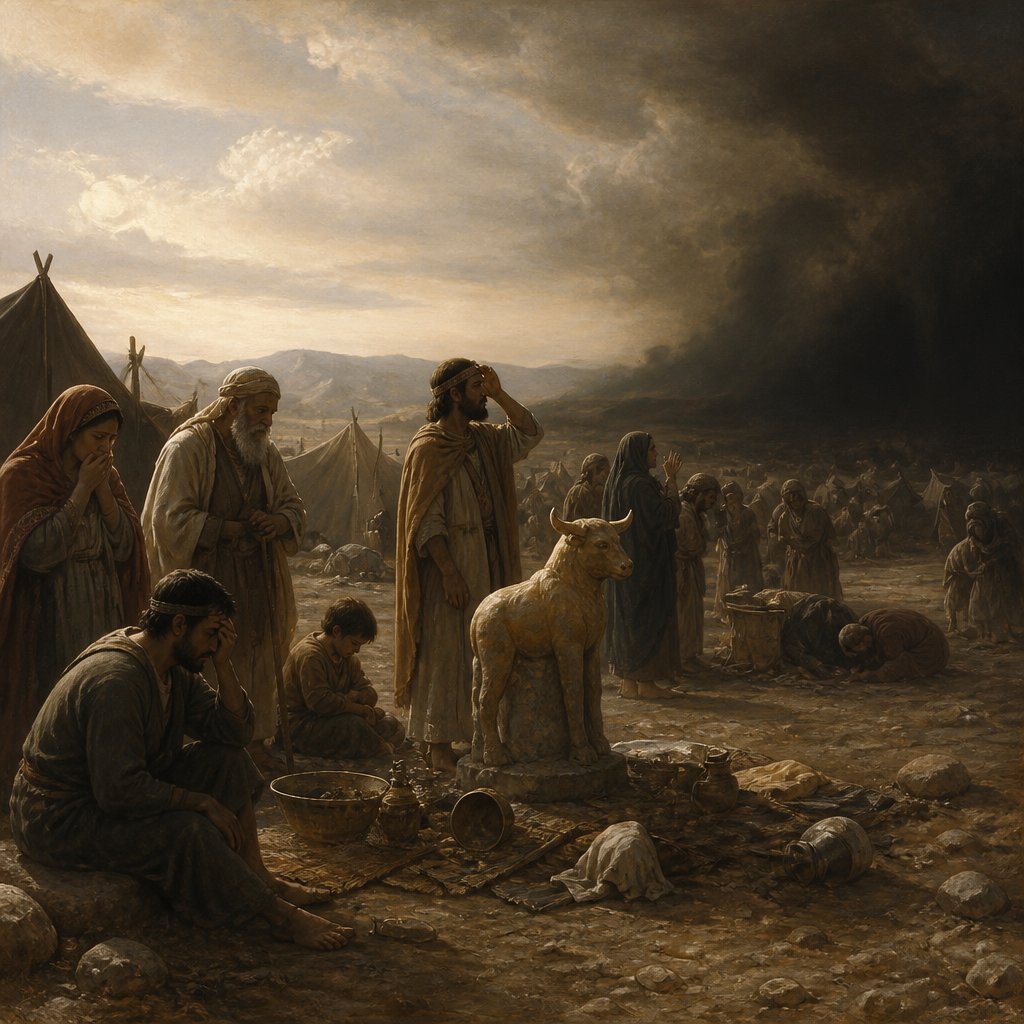
Psalms 106:29 (KJV) reads, "Thus they provoked him to anger with their inventions: and the plague brake in upon them." This verse is part of a larger passage that recounts the rebelliousness and unfaithfulness of the Israelites and God's response to their actions. This particular verse speaks to the consequences of the Israelites' disobedience and serves as a reminder of the importance of obedience and faithfulness to God.
The context for this verse is found in the surrounding passages of Psalm 106, which provide a historical account of the Israelites' tumultuous relationship with God. The psalm recounts the various ways in which the Israelites rebelled against God, from their forgetfulness of His works and disregard for His commandments to their worship of idols and involvement in pagan rituals. Despite God's continued faithfulness and deliverance, the Israelites repeatedly turned away from Him, provoking His anger and inviting judgment upon themselves.
In verse 29, the psalmist summarizes the Israelites' actions as having "provoked him to anger with their inventions." This refers to the Israelites' rebellious behavior and the various ways in which they sought after their own desires and pursuits, rather than aligning themselves with God's will. The "inventions" that are mentioned here are the man-made idols and practices that the Israelites turned to in place of worshiping the One True God.
As a result of their disobedience, "the plague brake in upon them." This phrase refers to the divine judgment and punishment that God brought upon the Israelites in response to their rebellion. The plague mentioned here could be interpreted as a physical ailment or a broader reference to the various trials and hardships that befell the Israelites as a consequence of their sin.
This verse serves as a sobering reminder of the consequences of disobedience and the importance of remaining faithful to God. It highlights the idea that actions have consequences and that God's judgment will inevitably follow persistent rebellion and unfaithfulness. The Israelites' experience serves as a cautionary tale for believers, urging them to heed God's commands and remain steadfast in their faith.
Symbolically, this verse also serves as a reminder of the spiritual warfare that believers face. The "inventions" of the Israelites can be seen as a representation of the temptations and distractions that pull believers away from God. The plague that resulted from their disobedience can be likened to the spiritual consequences that accompany sin and rebellion, highlighting the importance of remaining vigilant in one's walk with God.
Ultimately, Psalm 106:29 reminds believers of the faithfulness and holiness of God, as well as the need for obedience and devotion to Him. It calls for a rejection of worldly inventions and a commitment to wholehearted worship and obedience to the Lord. This verse showcases the consequences of straying from God's will and encourages believers to remain faithful and obedient in their relationship with Him.
In conclusion, Psalm 106:29 (KJV) serves as a poignant reminder of the consequences of disobedience and rebellion, and the importance of remaining faithful and obedient to God. It conveys the idea that actions have consequences and highlights the need for believers to heed God's commands and remain steadfast in their faith. This verse offers a sobering reflection on the Israelites' experience and serves as an exhortation for believers to reject worldly pursuits and remain devoted to the Lord.
Get our apps


Artwork for Psalms 106:29

Psalms 106:29 - "Thus they provoked him to anger with their inventions: and the plague brake in upon them."
"Thus they provoked him to anger with their inventions: and the plague brake in upon them." - Psalms 106:29

"Then believed they his words; they sang his praise." - Psalms 106:12

"Yea, they sacrificed their sons and their daughters unto devils," - Psalms 106:37

"They soon forgat his works; they waited not for his counsel:" - Psalms 106:13

"Thus they changed their glory into the similitude of an ox that eateth grass." - Psalms 106:20

"They envied Moses also in the camp, and Aaron the saint of the LORD." - Psalms 106:16

"Yea, they despised the pleasant land, they believed not his word:" - Psalms 106:24

"And he gave them their request; but sent leanness into their soul." - Psalms 106:15

"They did not destroy the nations, concerning whom the LORD commanded them:" - Psalms 106:34

Psalms 106:14 - "But lusted exceedingly in the wilderness, and tempted God in the desert."

Psalms 106:19 - "They made a calf in Horeb, and worshipped the molten image."

Psalms 106:35 - "But were mingled among the heathen, and learned their works."

"Wondrous works in the land of Ham, and terrible things by the Red sea." - Psalms 106:22

"The earth opened and swallowed up Dathan, and covered the company of Abiram." - Psalms 106:17

Psalms 106:37 - "Yea, they sacrificed their sons and their daughters unto devils,"

Psalms 106:12 - "Then believed they his words; they sang his praise."

Psalms 106:11 - "And the waters covered their enemies: there was not one of them left."

Psalms 106:25 - "But murmured in their tents, and hearkened not unto the voice of the LORD."

Psalms 106:20 - "Thus they changed their glory into the similitude of an ox that eateth grass."

Psalms 106:13 - "They soon forgat his works; they waited not for his counsel:"

Psalms 106:36 - "And they served their idols: which were a snare unto them."

"Then stood up Phinehas, and executed judgment: and so the plague was stayed." - Psalms 106:30

"They forgat God their saviour, which had done great things in Egypt;" - Psalms 106:21

"They joined themselves also unto Baal-peor, and ate the sacrifices of the dead." - Psalms 106:28

Psalms 106:16 - "They envied Moses also in the camp, and Aaron the saint of the LORD."

Psalms 106:15 - "And he gave them their request; but sent leanness into their soul."

Psalms 106:18 - "And a fire was kindled in their company; the flame burned up the wicked."

Psalms 106:24 - "Yea, they despised the pleasant land, they believed not his word:"

Psalms 106:31 - "And that was counted unto him for righteousness unto all generations for evermore."