What does Psalms 106:31 mean?
“And that was counted unto him for righteousness unto all generations for evermore.” — Psalms 106:31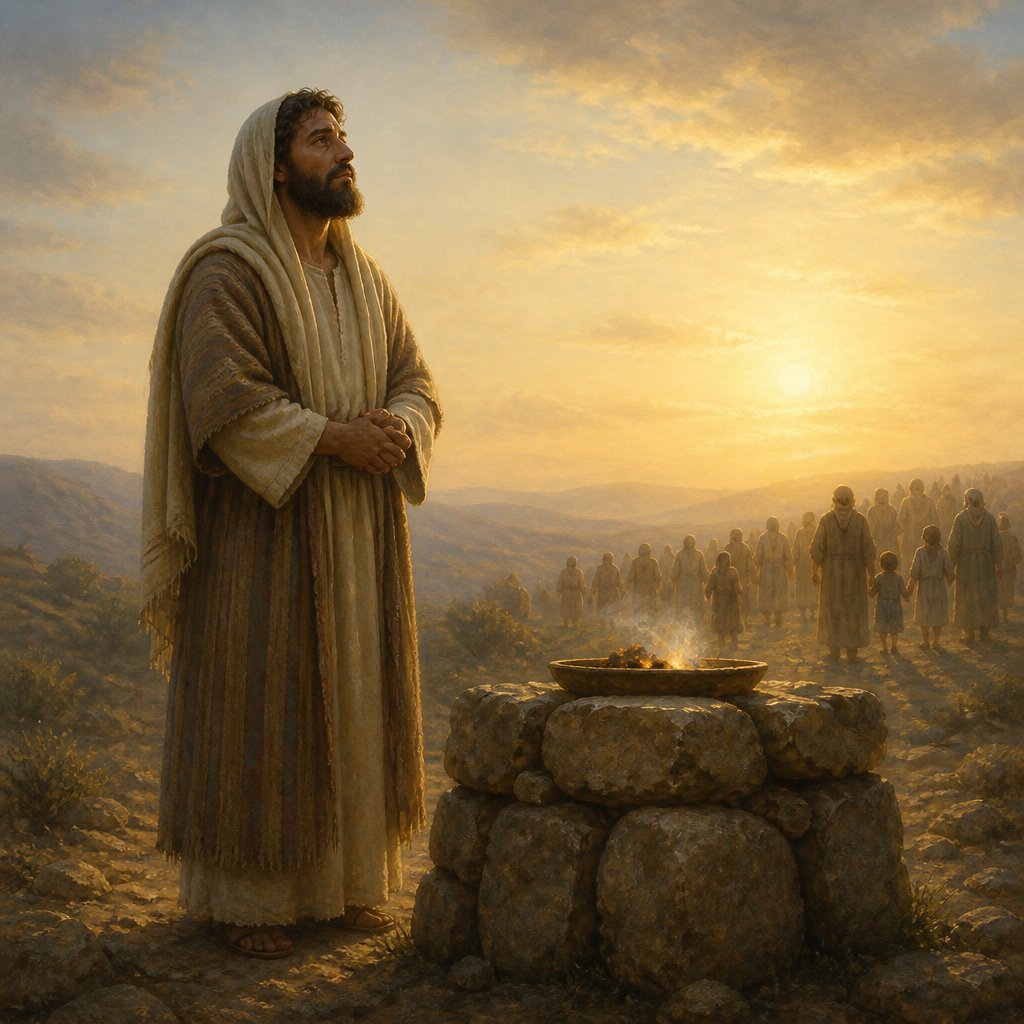
Psalms 106:31 (KJV) states, "And that was counted unto him for righteousness unto all generations for evermore."
This verse is part of Psalms 106, which is a reflective song that chronicles the history of Israel and the faithfulness of God despite the disobedience and unfaithfulness of the people. The verse in question specifically refers to an incident in Israel's history when Phin'ehas, a priest, took it upon himself to kill an Israelite man and a Midianite woman who were engaging in sexual immorality. This act was considered righteous in the eyes of the Lord, and it was credited to Phin'ehas as righteousness for all generations.
The context of this verse is important for understanding its significance. In Numbers 25, the Israelites had started to "whore after the daughters of Moab" and engaged in idolatry and sexual immorality. This angered the Lord, and a plague broke out among the people as a punishment. Phin'ehas, zealous for the Lord, took a javelin and killed an Israelite man and a Midianite woman while they were in the act of immorality. This act of Phin'ehas stopped the plague, and the Lord commended him for his actions, stating that his zeal for God's honor had turned away His anger from the people of Israel.
The significance of this verse lies in the idea of righteousness and the consequences of one's actions. Phin'ehas' act of zeal was counted as righteousness because it was done for the honor and glory of God. It demonstrates the theme of divine approval and reward for those who are courageous and obedient in their faith. The verse also speaks to the idea of intergenerational impact, as it states that Phin'ehas' righteousness was counted unto him for all generations forevermore. This highlights the idea that our actions have lasting consequences and can impact future generations. It also serves as a reminder that God sees and rewards acts of obedience and righteousness.
Furthermore, the symbolism in this verse is significant. Phin'ehas' act can be seen as a symbol of taking a stand for God's honor and glory, even in the face of moral decay and disobedience. The javelin he used to kill the couple can be symbolic of the Lord's judgment upon sin and the need for purification and holiness. The act of Phin'ehas also symbolizes the concept of atonement, as his actions stopped the plague and appeased the Lord's anger.
In a broader theological context, this verse points to the concept of righteousness as a gift from God. Phin'ehas' act of zeal was counted as righteousness, not because of his own merit, but because of his faith and obedience to God. This foreshadows the New Testament concept of justification by faith, where righteousness is imputed to believers through their faith in Jesus Christ.
In conclusion, Psalms 106:31 (KJV) is a verse that holds deep theological and symbolic significance. It speaks to the themes of righteousness, divine approval, intergenerational impact, and the symbolism of atonement and purification. It serves as a reminder of the enduring impact of our actions and the reward for faithful obedience to God. The verse also holds relevance in the broader theological context of righteousness and justification by faith.
Get our apps


Artwork for Psalms 106:31

Psalms 106:31 - "And that was counted unto him for righteousness unto all generations for evermore."
"And that was counted unto him for righteousness unto all generations for evermore." - Psalms 106:31

"Then believed they his words; they sang his praise." - Psalms 106:12

"Yea, they sacrificed their sons and their daughters unto devils," - Psalms 106:37

"They soon forgat his works; they waited not for his counsel:" - Psalms 106:13

"Thus they changed their glory into the similitude of an ox that eateth grass." - Psalms 106:20

"They envied Moses also in the camp, and Aaron the saint of the LORD." - Psalms 106:16

"Yea, they despised the pleasant land, they believed not his word:" - Psalms 106:24

"And he gave them their request; but sent leanness into their soul." - Psalms 106:15

"They did not destroy the nations, concerning whom the LORD commanded them:" - Psalms 106:34

Psalms 106:14 - "But lusted exceedingly in the wilderness, and tempted God in the desert."

Psalms 106:19 - "They made a calf in Horeb, and worshipped the molten image."

Psalms 106:35 - "But were mingled among the heathen, and learned their works."

"Wondrous works in the land of Ham, and terrible things by the Red sea." - Psalms 106:22

"The earth opened and swallowed up Dathan, and covered the company of Abiram." - Psalms 106:17

Psalms 106:37 - "Yea, they sacrificed their sons and their daughters unto devils,"

Psalms 106:12 - "Then believed they his words; they sang his praise."

Psalms 106:11 - "And the waters covered their enemies: there was not one of them left."

Psalms 106:25 - "But murmured in their tents, and hearkened not unto the voice of the LORD."

Psalms 106:20 - "Thus they changed their glory into the similitude of an ox that eateth grass."

Psalms 106:13 - "They soon forgat his works; they waited not for his counsel:"

Psalms 106:36 - "And they served their idols: which were a snare unto them."

"Then stood up Phinehas, and executed judgment: and so the plague was stayed." - Psalms 106:30

"They forgat God their saviour, which had done great things in Egypt;" - Psalms 106:21

"They joined themselves also unto Baal-peor, and ate the sacrifices of the dead." - Psalms 106:28

Psalms 106:16 - "They envied Moses also in the camp, and Aaron the saint of the LORD."

Psalms 106:15 - "And he gave them their request; but sent leanness into their soul."

Psalms 106:18 - "And a fire was kindled in their company; the flame burned up the wicked."

Psalms 106:24 - "Yea, they despised the pleasant land, they believed not his word:"

Psalms 106:30 - "Then stood up Phinehas, and executed judgment: and so the plague was stayed."