What does Psalms 109:19 mean?
“Let it be unto him as the garment which covereth him, and for a girdle wherewith he is girded continually.” — Psalms 109:19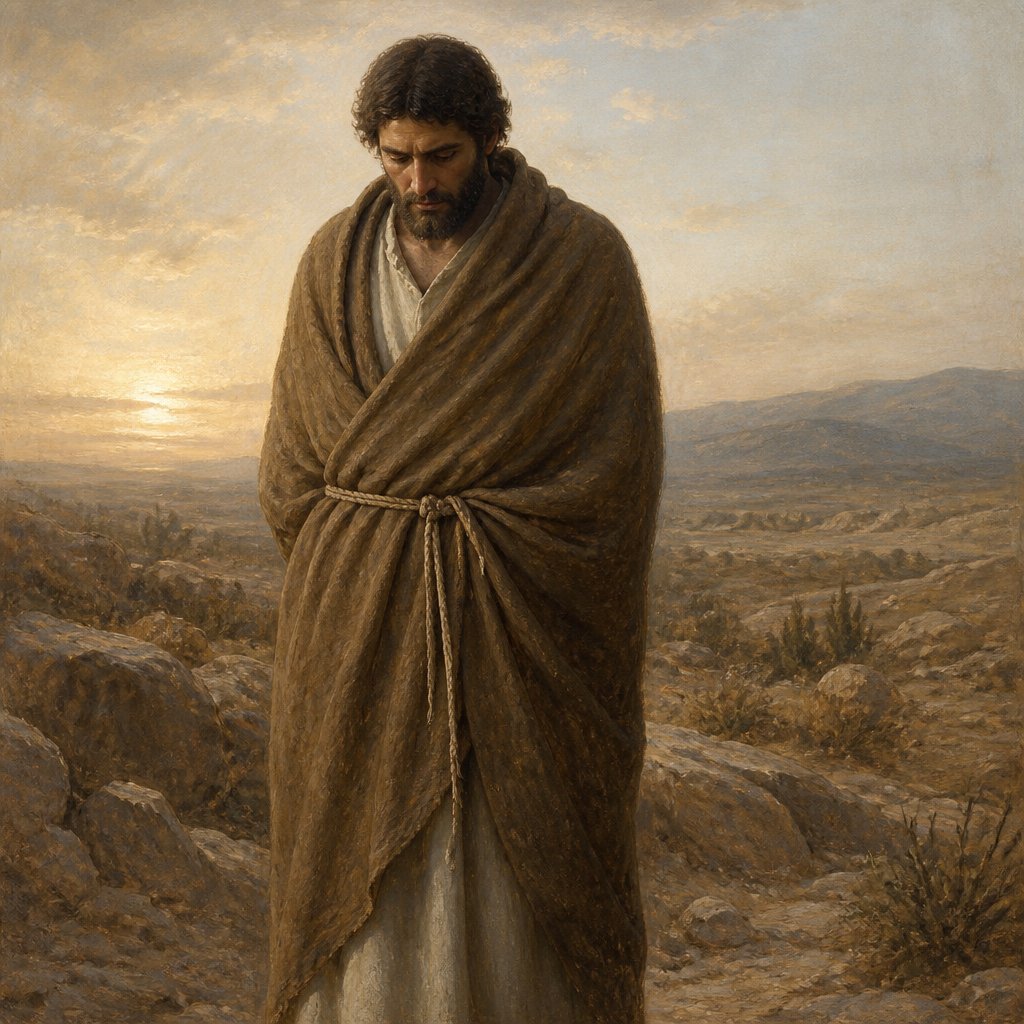
Psalms 109:19 (KJV) says, "Let it be unto him as the garment which covereth him, and for a girdle wherewith he is girded continually."
This verse is part of a larger psalm in which the psalmist is crying out to God for deliverance from his enemies. Throughout the psalm, the psalmist describes the wickedness and deceitfulness of his enemies and fears for his own life. In this particular verse, the psalmist is calling for a curse or judgment to be placed upon his enemy, who is said to be wearing a garment and girdle continually.
The imagery of a garment and girdle in this verse carries layers of symbolic meanings and themes that are worth exploring. The garment and girdle can be seen as symbols of protection, honor, and control, all of which are significant in understanding the implications of the psalmist's curse.
In biblical times, garments were not only clothing but also a sign of one's status, identity, and even spiritual standing. The act of covering oneself in a garment was an act of protection, warmth, and comfort. The garment was a symbol of one's outward appearance and social standing, as well as a representation of one's inner self. In this context, the psalmist is calling for his enemy to be consumed by the very thing that was meant to protect and identify him. It is a powerful image of the reversal of fortune and the turning of one's own tools of defense into instruments of judgment.
The girdle, on the other hand, was a piece of clothing that was used to tie and secure the garment around the waist. It provided support, strength, and stability, and was often associated with readiness and preparedness. The girdle was a symbol of control and authority, as it held the garment in place and kept everything in order. In this verse, the psalmist is essentially calling for his enemy to be ensnared and restricted by the very thing that was meant to give him stability and control. It is a metaphor for the undermining of his enemy's power and authority, and a plea for God to intervene and bring about justice.
The themes of justice, vengeance, and retribution are central to this verse and the psalm as a whole. The psalmist is crying out for God to act on his behalf and to bring about the downfall of his enemies. The imagery of the garment and girdle is a vivid depiction of the psalmist's desire for his enemies to be enveloped and constrained by their own deeds. It is a representation of the consequences of wickedness and the inevitable unraveling of deceit and malice.
At its core, this verse is a plea for divine justice and a declaration of trust in God's righteous judgment. It reflects the psalmist's unwavering faith in God's ability to set things right and to protect the righteous from the wicked. The psalmist sees his enemies as ultimately being caught in their own web of deception and malice, and he trusts in God to bring about their downfall.
In conclusion, Psalms 109:19 (KJV) is a powerful and evocative verse that uses the imagery of a garment and girdle to convey the psalmist's desire for his enemies to be ensnared and consumed by their own wickedness. It is a testament to the psalmist's faith in divine justice and a plea for God to intervene on behalf of the righteous. The verse carries significant symbolic meaning and themes of protection, control, and justice, and it resonates with believers who seek vindication and deliverance from their enemies.
Get our apps


Artwork for Psalms 109:19

Psalms 109:19 - "Let it be unto him as the garment which covereth him, and for a girdle wherewith he is girded continually."
"Let it be unto him as the garment which covereth him, and for a girdle wherewith he is girded continually." - Psalms 109:19
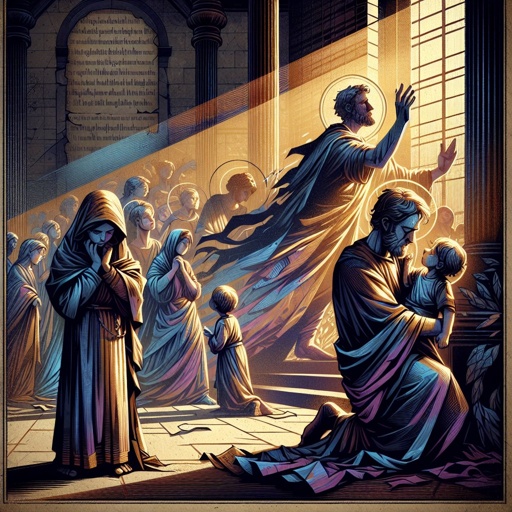
Psalms 109:9 - "Let his children be fatherless, and his wife a widow."

Psalms 109:1 - "Hold not thy peace, O God of my praise;"

Psalms 109:22 - "For I am poor and needy, and my heart is wounded within me."

Psalms 109:8 - "Let his days be few; and let another take his office."

Psalms 109:4 - "For my love they are my adversaries: but I give myself unto prayer."
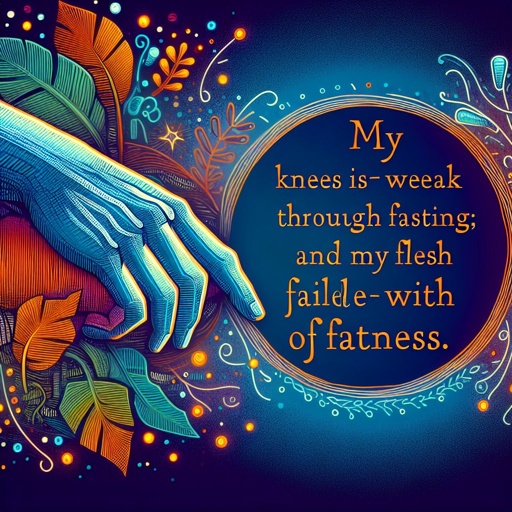
Psalms 109:24 - "My knees are weak through fasting; and my flesh faileth of fatness."

Psalms 109:5 - "And they have rewarded me evil for good, and hatred for my love."

Psalms 109:27 - "That they may know that this is thy hand; that thou, LORD, hast done it."

Psalms 119:109 - "My soul is continually in my hand: yet do I not forget thy law."

Psalms 109:11 - "Let the extortioner catch all that he hath; and let the strangers spoil his labour."

Psalms 109:13 - "Let his posterity be cut off; and in the generation following let their name be blotted out."

Psalms 109:26 - "Help me, O LORD my God: O save me according to thy mercy:"

Psalms 109:29 - "Let mine adversaries be clothed with shame, and let them cover themselves with their own confusion, as with a mantle."

Psalms 109:3 - "They compassed me about also with words of hatred; and fought against me without a cause."

Psalms 109:12 - "Let there be none to extend mercy unto him: neither let there be any to favour his fatherless children."

Psalms 109:15 - "Let them be before the LORD continually, that he may cut off the memory of them from the earth."
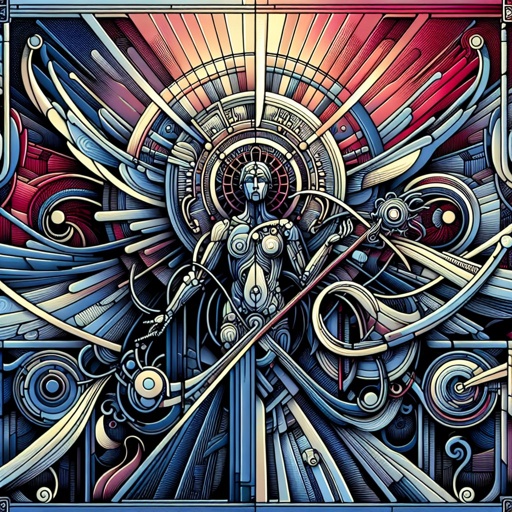
Psalms 109:7 - "When he shall be judged, let him be condemned: and let his prayer become sin."

Psalms 109:25 - "I became also a reproach unto them: when they looked upon me they shaked their heads."
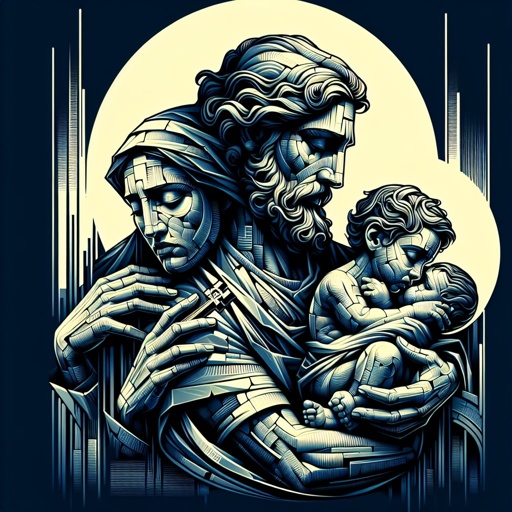
Psalms 109:14 - "Let the iniquity of his fathers be remembered with the LORD; and let not the sin of his mother be blotted out."

Psalms 109:30 - "I will greatly praise the LORD with my mouth; yea, I will praise him among the multitude."

Psalms 109:6 - "Set thou a wicked man over him: and let Satan stand at his right hand."

Psalms 109:20 - "Let this be the reward of mine adversaries from the LORD, and of them that speak evil against my soul."

"Help me, O LORD my God: O save me according to thy mercy:" - Psalms 109:26

Psalms 109:2 - "For the mouth of the wicked and the mouth of the deceitful are opened against me: they have spoken against me with a lying tongue."
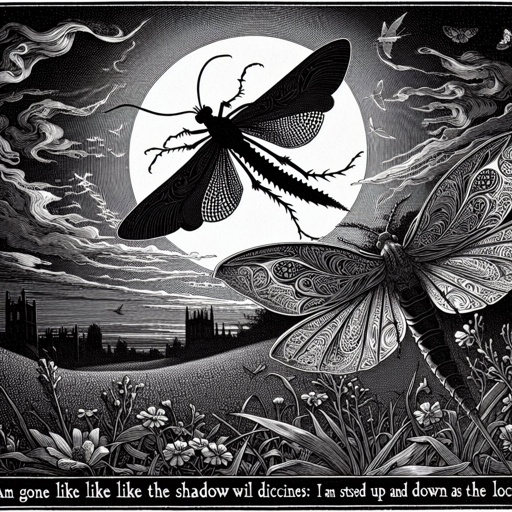
Psalms 109:23 - "I am gone like the shadow when it declineth: I am tossed up and down as the locust."

Psalms 109:31 - "For he shall stand at the right hand of the poor, to save him from those that condemn his soul."

Psalms 109:10 - "Let his children be continually vagabonds, and beg: let them seek their bread also out of their desolate places."

"Let mine adversaries be clothed with shame, and let them cover themselves with their own confusion, as with a mantle." - Psalms 109:29