What does Psalms 109:30 mean?
“I will greatly praise the LORD with my mouth; yea, I will praise him among the multitude.” — Psalms 109:30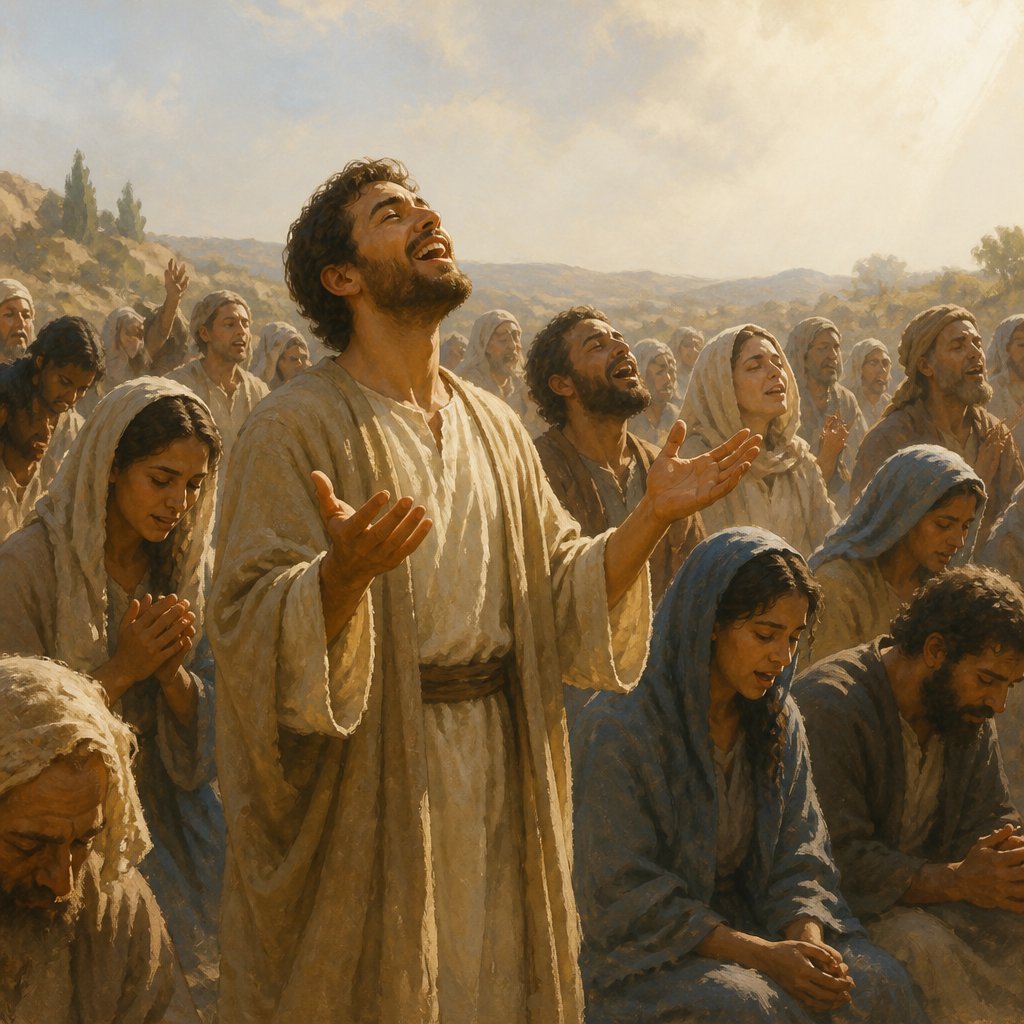
Psalms 109:30 in the King James Version of the Bible says, "I will greatly praise the LORD with my mouth; yea, I will praise him among the multitude." This verse is a declaration of praise and thanksgiving to the Lord, expressing the Psalmist's desire to openly and fervently praise God.
The book of Psalms is filled with poetry and songs of praise, lament, and thanksgiving. The Psalms are deeply personal and emotional, and they express a wide range of human experiences and emotions. In the case of Psalms 109:30, the Psalmist is expressing his desire to praise God wholeheartedly and publicly, even in the midst of a multitude of people.
The verse begins with the declaration, "I will greatly praise the LORD with my mouth." This emphasizes the Psalmist's intention to express his praise verbally. By using the phrase "greatly praise," the Psalmist indicates that his praise will not be casual or half-hearted, but rather it will be enthusiastic and exuberant. The act of praising God with one's mouth also suggests an outward expression of gratitude and reverence, as opposed to merely feeling thankful in one's heart.
The second part of the verse, "yea, I will praise him among the multitude," reveals the Psalmist's commitment to praising God publicly. The word "yea" emphasizes the Psalmist's resolute determination to praise God even in the presence of many people. The Psalmist is not content to simply offer praise in private; he desires to openly acknowledge and glorify God before a gathering of others. This highlights the importance of public worship and testimony in the life of the believer.
In terms of the broader thematic and contextual significance of this verse, it speaks to the power of praise and thanksgiving in the life of a believer. Throughout the Psalms, praise is often associated with deliverance, healing, and victory. In Psalm 107:22, it says, "And let them sacrifice the sacrifices of thanksgiving, and declare his works with rejoicing." This verse suggests that offering thanksgiving and praise to God has the power to bring about deliverance and to proclaim God's works to others.
Additionally, the act of praising God among a multitude underscores the communal aspect of worship. When believers praise God together, it creates a sense of unity and solidarity within the community of faith. It also serves as a witness to the world, as non-believers witness the faith and devotion of the believers. In the New Testament, the Apostle Paul encourages believers to "speak to one another with psalms, hymns, and spiritual songs. Sing and make music in your hearts to the Lord, always giving thanks to God the Father for everything, in the name of our Lord Jesus Christ" (Ephesians 5:19-20).
Symbolically, the act of praising God with one's mouth represents a surrender of one's whole self to God. The mouth is the instrument through which we praise and glorify God, and by using it to offer praise, the Psalmist is symbolically surrendering his thoughts, words, and actions to God. This act of surrender is a central theme in the Christian faith, as believers are called to lay down their lives and offer themselves as living sacrifices to God (Romans 12:1).
In conclusion, Psalms 109:30 is a powerful declaration of praise and thanksgiving. It emphasizes the importance of verbal and public praise, highlighting the transformative power of praise in the life of a believer. It also speaks to the communal and symbolic significance of praise, underscoring the unity and surrender that accompany true worship. As believers, we can draw inspiration from this verse to offer wholehearted and public praise to God, acknowledging His goodness and faithfulness in our lives.
Get our apps


Artwork for Psalms 109:30

Psalms 109:30 - "I will greatly praise the LORD with my mouth; yea, I will praise him among the multitude."
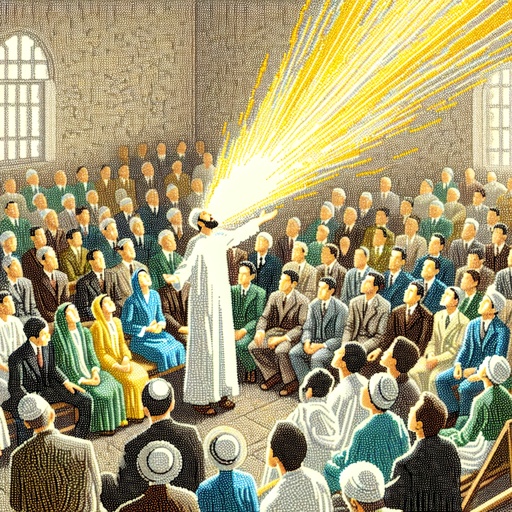
Psalms 109:30 (KJV) 30 I will greatly praise the LORD with my mouth; yea, I will praise him among the multitude.
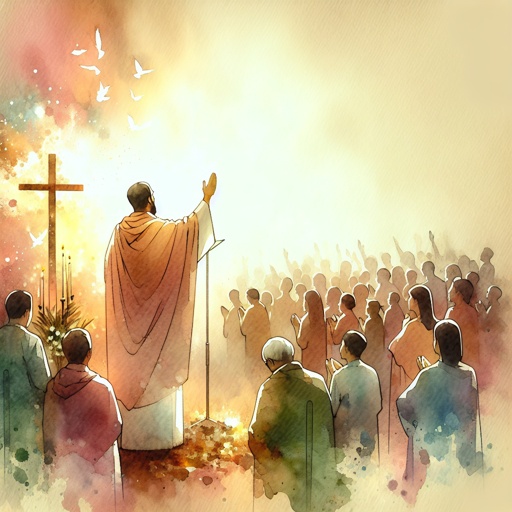
Psalms 109:30 (KJV) 30 I will greatly praise the LORD with my mouth; yea, I will praise him among the multitude.
"I will greatly praise the LORD with my mouth; yea, I will praise him among the multitude." - Psalms 109:30
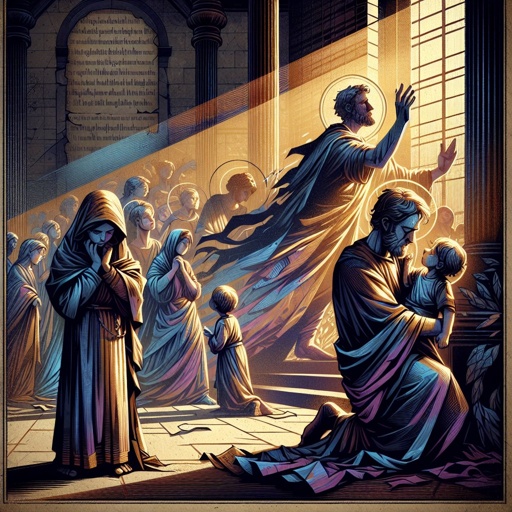
Psalms 109:9 - "Let his children be fatherless, and his wife a widow."

Psalms 109:1 - "Hold not thy peace, O God of my praise;"

Psalms 109:22 - "For I am poor and needy, and my heart is wounded within me."

Psalms 109:8 - "Let his days be few; and let another take his office."

Psalms 109:4 - "For my love they are my adversaries: but I give myself unto prayer."
Psalms 109:24 - "My knees are weak through fasting; and my flesh faileth of fatness."

Psalms 109:5 - "And they have rewarded me evil for good, and hatred for my love."

Psalms 109:27 - "That they may know that this is thy hand; that thou, LORD, hast done it."

Psalms 119:109 - "My soul is continually in my hand: yet do I not forget thy law."

Psalms 109:11 - "Let the extortioner catch all that he hath; and let the strangers spoil his labour."

Psalms 109:13 - "Let his posterity be cut off; and in the generation following let their name be blotted out."

Psalms 109:26 - "Help me, O LORD my God: O save me according to thy mercy:"

Psalms 109:29 - "Let mine adversaries be clothed with shame, and let them cover themselves with their own confusion, as with a mantle."

Psalms 109:3 - "They compassed me about also with words of hatred; and fought against me without a cause."

Psalms 109:12 - "Let there be none to extend mercy unto him: neither let there be any to favour his fatherless children."

Psalms 109:15 - "Let them be before the LORD continually, that he may cut off the memory of them from the earth."

Psalms 109:7 - "When he shall be judged, let him be condemned: and let his prayer become sin."

Psalms 109:25 - "I became also a reproach unto them: when they looked upon me they shaked their heads."

Psalms 109:14 - "Let the iniquity of his fathers be remembered with the LORD; and let not the sin of his mother be blotted out."

Psalms 109:6 - "Set thou a wicked man over him: and let Satan stand at his right hand."

Psalms 109:20 - "Let this be the reward of mine adversaries from the LORD, and of them that speak evil against my soul."

Psalms 109:19 - "Let it be unto him as the garment which covereth him, and for a girdle wherewith he is girded continually."

"Help me, O LORD my God: O save me according to thy mercy:" - Psalms 109:26

Psalms 109:2 - "For the mouth of the wicked and the mouth of the deceitful are opened against me: they have spoken against me with a lying tongue."
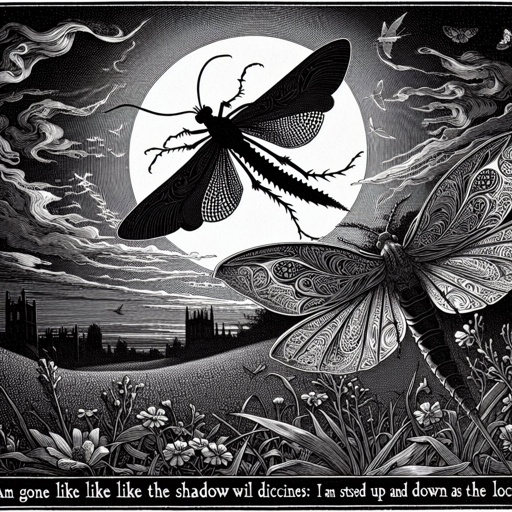
Psalms 109:23 - "I am gone like the shadow when it declineth: I am tossed up and down as the locust."

Psalms 109:31 - "For he shall stand at the right hand of the poor, to save him from those that condemn his soul."