What does Psalms 10:18 mean?
“To judge the fatherless and the oppressed, that the man of the earth may no more oppress.” — Psalms 10:18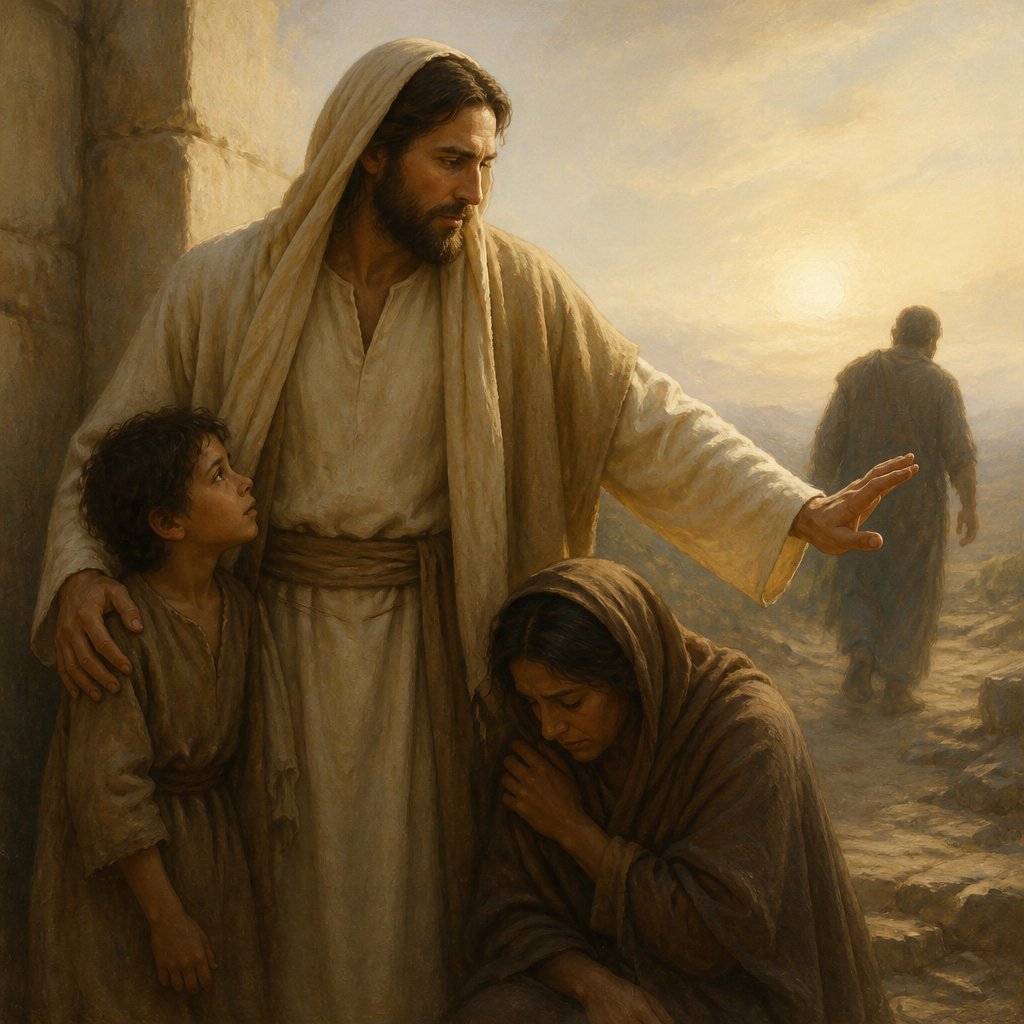
Psalm 10:18 in the King James Version of the Bible reads, "To judge the fatherless and the oppressed, that the man of the earth may no more oppress." This verse is part of a larger passage from Psalm 10, which is a prayer for God to defend the oppressed and bring justice to those who are being mistreated. The chapter begins with the psalmist expressing their distress at the apparent absence of God in the face of evil and suffering. They describe the wicked as being arrogant, greedy, and ruthless, preying on the weak and vulnerable.
The overarching theme of Psalm 10 is the cry for justice in the face of oppression and the assurance that God will ultimately bring judgment on the wicked. The psalmist laments the suffering of the innocent and calls on God to intervene on their behalf. This particular verse, Psalm 10:18, is a plea for God to step in and act as judge over those who are oppressing the fatherless and the oppressed. It is a call for God to bring justice and to put an end to the cycle of oppression and exploitation.
The context of Psalm 10 is important for understanding the meaning of verse 18. The psalmist is describing a situation in which the weak and vulnerable in society are being taken advantage of by the powerful and wicked. In this context, the mention of the "fatherless" is likely a reference to orphans and those who have no one to protect or provide for them. The "oppressed" could refer to anyone who is being mistreated or exploited by those in positions of power. The psalmist is expressing a deep concern for those who are marginalized and vulnerable, and a desire for God to bring justice and relief to them.
The symbolism in this verse lies in the imagery of God being portrayed as the ultimate judge and defender of the fatherless and the oppressed. The psalmist is calling on God to take action on behalf of those who are suffering unjustly, knowing that God has the power and authority to bring about a just resolution. The mention of the "man of the earth" may no more oppress is a reference to the wicked and unjust individuals who are causing harm and suffering. The psalmist is expressing a hope that God will ultimately put an end to their oppressive behavior.
Overall, Psalm 10:18 is a powerful expression of the psalmist's plea for justice and relief for the marginalized and oppressed. It is a reminder that God sees the suffering of the innocent and will ultimately bring judgment on those who are causing harm. The verse serves as a call to action for believers to advocate for justice and stand in solidarity with the oppressed. It is a declaration of hope and faith in God's ultimate justice and righteousness.
Get our apps


Artwork for Psalms 10:18

Psalms 10:18 - "To judge the fatherless and the oppressed, that the man of the earth may no more oppress."

"To judge the fatherless and the oppressed, that the man of the earth may no more oppress." - Psalms 10:18

psalms 92:10

psalms 92:10

Psalms 18:10 - "And he rode upon a cherub, and did fly: yea, he did fly upon the wings of the wind."

"And he rode upon a cherub, and did fly: yea, he did fly upon the wings of the wind." - Psalms 18:10

psalms 92:10

psalms 85:10

psalms 92:10

Psalms 136:18 - "And slew famous kings: for his mercy endureth for ever:"

Psalms 10:10 - "He croucheth, and humbleth himself, that the poor may fall by his strong ones."

Psalm 10:16-18

Psalm 10:12-18

Psalms 22:18 - "They part my garments among them, and cast lots upon my vesture."

"They prevented me in the day of my calamity: but the LORD was my stay." - Psalms 18:18

"The high hills are a refuge for the wild goats; and the rocks for the conies." - Psalms 104:18

Psalms 30:10 - "Hear, O LORD, and have mercy upon me: LORD, be thou my helper."

Psalms 29:10 (KJVA) 10 The LORD sitteth upon the flood; yea, the LORD sitteth King for ever.

Psalms 18:18 - "They prevented me in the day of my calamity: but the LORD was my stay."

"It is God that avengeth me, and subdueth the people under me." - Psalms 18:47

Psalms 39:10 - "Remove thy stroke away from me: I am consumed by the blow of thine hand."

Psalms 34:18

"The LORD knoweth the days of the upright: and their inheritance shall be for ever." - Psalms 37:18

Psalms 34:18

"The strangers shall fade away, and be afraid out of their close places." - Psalms 18:45

"And slew famous kings: for his mercy endureth for ever:" - Psalms 136:18

"Beasts, and all cattle; creeping things, and flying fowl:" - Psalms 148:10

"For who is God save the LORD? or who is a rock save our God?" - Psalms 18:31

Psalms 16:10 - "For thou wilt not leave my soul in hell; neither wilt thou suffer thine Holy One to see corruption."

"The LORD is nigh unto them that are of a broken heart; and saveth such as be of a contrite spirit." - Psalms 34:18