What does Psalms 113:6 mean?
“Who humbleth himself to behold the things that are in heaven, and in the earth!” — Psalms 113:6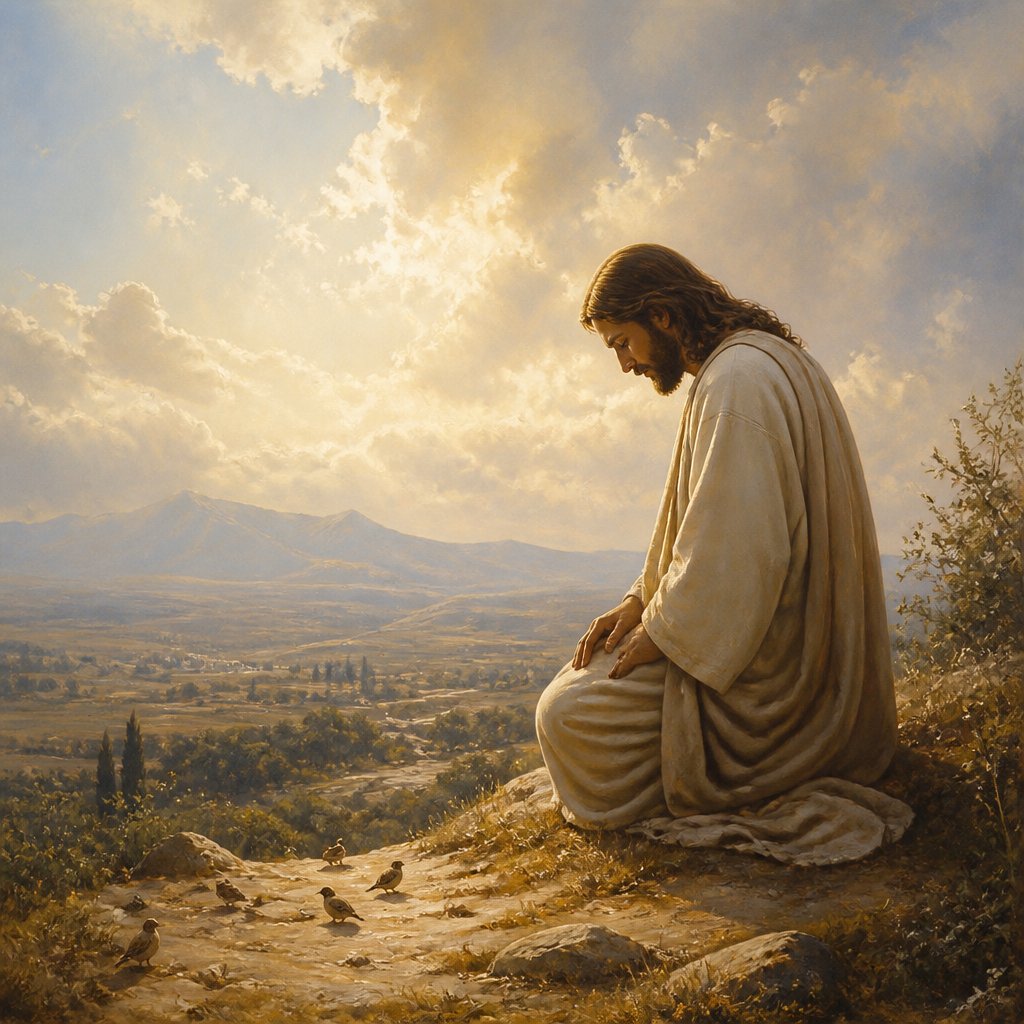
"Psalms-113:6 (KJV) states, 'Who humbleth himself to behold the things that are in heaven, and in the earth!' This verse is part of a longer passage in the book of Psalms, which is a collection of prayers, hymns, and poems that were used in ancient Hebrew worship. The book of Psalms is attributed to King David, who is said to have written many of the psalms, and they are often characterized by their deep emotional content and their expressions of faith and trust in God.
The verse Psalms-113:6 is a reflection on the nature of God, specifically on His humility. It describes how God voluntarily "humbleth himself" in order to behold the things that are in heaven and on earth. This verse presents a profound and paradoxical image of God, who is traditionally seen as all-powerful, all-knowing, and above all creation, yet is also willing to humble Himself and take notice of all that happens in both the heavenly and earthly realms.
The theme of humility is an important one in the Bible, and it is often associated with God's interactions with humanity. In the New Testament, Jesus Himself is described as being humble, willingly taking on the form of a servant and ultimately sacrificing Himself for the redemption of humanity. This verse in Psalms reflects a similar image of God's willingness to humble Himself in order to engage with His creation.
The context of this verse is also important to consider. In the wider passage of Psalms-113, the psalmist praises God and recounts His greatness and His care for the oppressed and the lowly. The entire psalm is a celebration of God's sovereignty and his compassionate nature. This verse, then, is a reflection of God's intimate involvement with His creation, and His willingness to lower Himself in order to be present with those who are in need.
In terms of symbolism, the image of God humbling Himself to behold the things in heaven and on earth can be seen as a reflection of His divine condescension. The act of beholding can signify God's attentiveness, his awareness of the needs and struggles of humanity, and his willingness to engage with the world on a personal level. This verse can also be seen as a reminder of God's closeness to His creation, and His willingness to meet people where they are.
Overall, Psalms-113:6 is a powerful reflection on the nature of God and His relationship with His creation. It presents a striking image of God's humility and His willingness to engage with humanity in a personal and intimate way. The verse carries themes of humility, compassion, and divine condescension, and it serves as a reminder of God's closeness to those who call upon Him. It is a beautiful and thought-provoking verse that invites believers to reflect on the nature of God and His care for His creation."
Get our apps


Artwork for Psalms 113:6

Psalms 113:6 - "Who humbleth himself to behold the things that are in heaven, and in the earth!"
"Who humbleth himself to behold the things that are in heaven, and in the earth!" - Psalms 113:6

"Blessed be the name of the LORD from this time forth and for evermore." - Psalms 113:2

Psalms 113:2 - "Blessed be the name of the LORD from this time forth and for evermore."

"Who is like unto the LORD our God, who dwelleth on high," - Psalms 113:5

Psalms 113:5 - "Who is like unto the LORD our God, who dwelleth on high,"

Psalms 113:8 - "That he may set him with princes, even with the princes of his people."

Psalms 119:113 - "I hate vain thoughts: but thy law do I love."

"The LORD is high above all nations, and his glory above the heavens." - Psalms 113:4

Psalms 113:3 - "From the rising of the sun unto the going down of the same the LORD'S name is to be praised."

Psalms 113:4 - "The LORD is high above all nations, and his glory above the heavens."
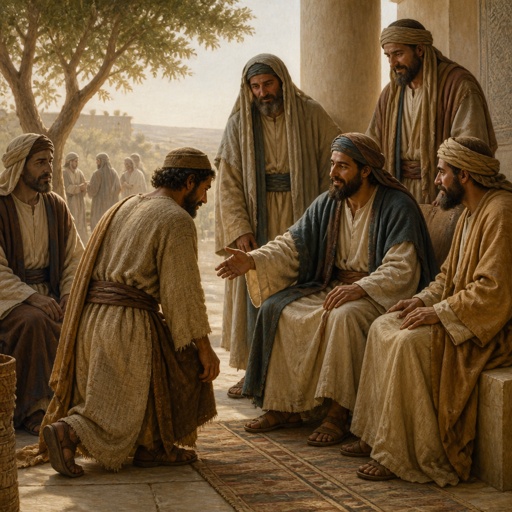
"That he may set him with princes, even with the princes of his people." - Psalms 113:8

Psalms 113:1 - "Praise ye the LORD. Praise, O ye servants of the LORD, praise the name of the LORD."

Psalms 113:7 - "He raiseth up the poor out of the dust, and lifteth the needy out of the dunghill;"
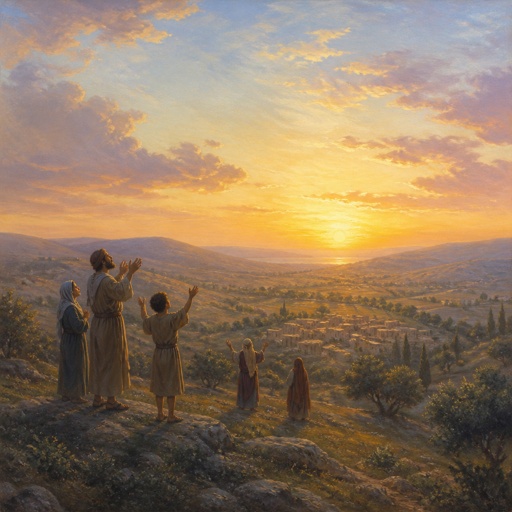
"From the rising of the sun unto the going down of the same the LORD'S name is to be praised." - Psalms 113:3

Psalms 113:9 - "He maketh the barren woman to keep house, and to be a joyful mother of children. Praise ye the LORD."
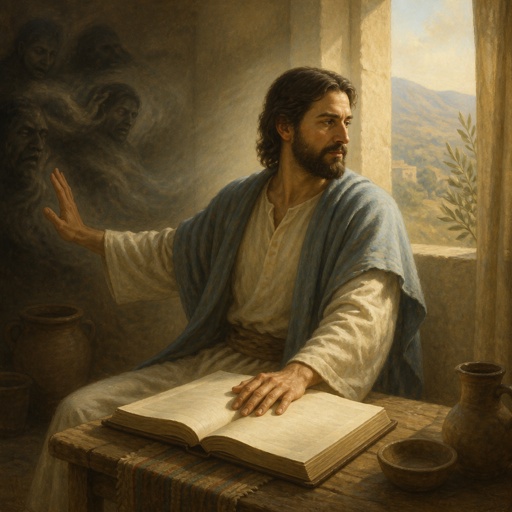
"I hate vain thoughts: but thy law do I love." - Psalms 119:113
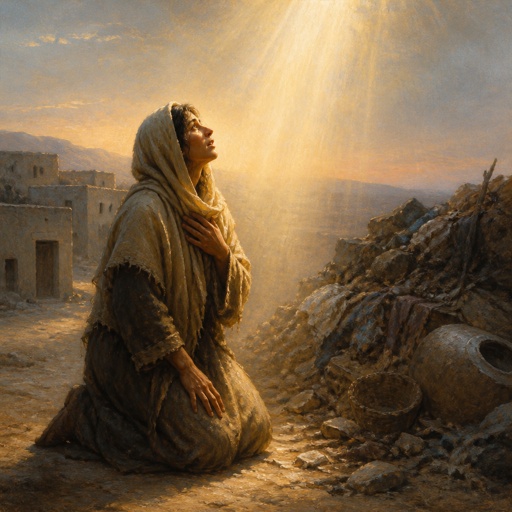
"He raiseth up the poor out of the dust, and lifteth the needy out of the dunghill;" - Psalms 113:7
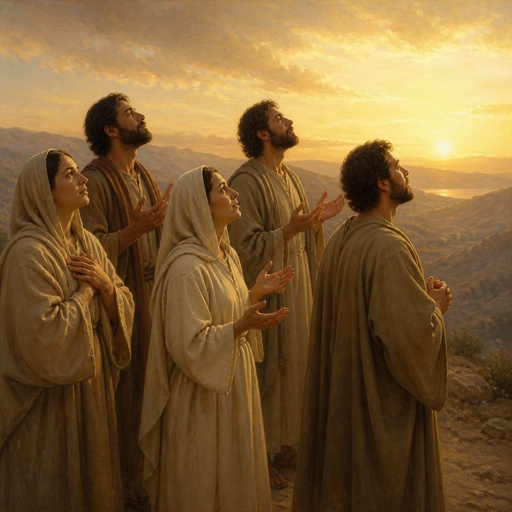
"Praise ye the LORD. Praise, O ye servants of the LORD, praise the name of the LORD." - Psalms 113:1
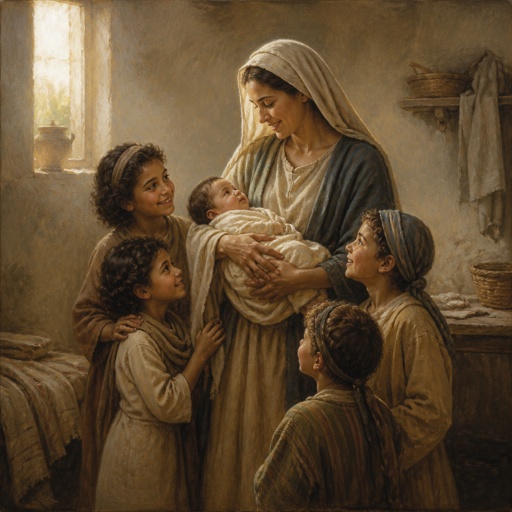
"He maketh the barren woman to keep house, and to be a joyful mother of children. Praise ye the LORD." - Psalms 113:9

Psalms 126:6

Hallelujah! Praise the Lord! Go ahead, praise the Lord, all you loving servants! Keep it up! Praise him some more! For the glorious name of the Lord is blessed forever and ever. From sunrise-brilliance to sunset-beauty, Lift up his praise from dawn to dusk! Psalms 113:1-3
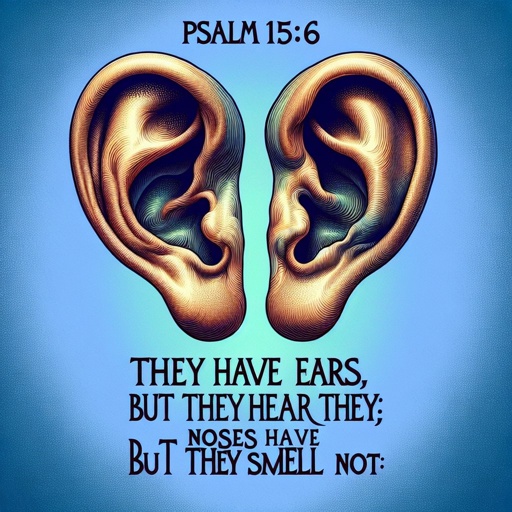
Psalms 115:6 - "They have ears, but they hear not: noses have they, but they smell not:"

Psalms 30:6 - "And in my prosperity I said, I shall never be moved."

Psalms 114:6 - "Ye mountains, that ye skipped like rams; and ye little hills, like lambs?"

Psalms 129:6 - "Let them be as the grass upon the housetops, which withereth afore it groweth up:"

Psalms 144:6 - "Cast forth lightning, and scatter them: shoot out thine arrows, and destroy them."

Psalms 74:6 - "But now they break down the carved work thereof at once with axes and hammers."

Psalms 6:6

Psalms 80:6 - "Thou makest us a strife unto our neighbours: and our enemies laugh among themselves."