What does Psalms 113:7-8 mean?
“He raiseth up the poor out of the dust, [and] lifteth the needy out of the dunghill; That he may set [him] with princes, [even] with the princes of his people.” — Psalms 113:7-8!["He raiseth up the poor out of the dust, [and] lifteth the needy out of the dunghill;
That he may set [him] with princes, [even] with the princes of his people." - Psalms 113:7-8](https://media.bible.art/0c978311-867a-4dd5-977a-6e7082ce73e8-compressed.jpg)
Psalm 113 is one of the “Hallelujah” psalms that begins and ends with praise, lifting the reader from the ordinary scale of human life into the majesty of the LORD’s name and dominion. In the KJV, the psalm blesses “the name of the LORD” as exalted “above all nations” and yet immediately insists that the same God who is “high above all” also “humbleth himself to behold the things that are in heaven, and in the earth.” That movement—God’s unsurpassed height joined to his gracious condescension—forms the backdrop for Psalms 113:7–8, which describe how the LORD’s attention is not only global and cosmic but intensely personal and restorative.
The verses read: “He raiseth up the poor out of the dust, and lifteth the needy out of the dunghill; That he may set him with princes, even with the princes of his people.” In plain terms, they proclaim that the LORD is able and willing to reverse a person’s condition so radically that someone who is reduced to the lowest social and material standing can be elevated into a place of honor among rulers. The language is not merely about improved circumstances; it is about dignity restored, shame removed, and a public change of status that displays the character of God.
The theme of divine reversal is central. “He raiseth up” and “lifteth” are verbs of active intervention. The poor and needy are not pictured as climbing by their own strength but as being taken up by God. The contrast is deliberately extreme: “dust” evokes the ground itself, the place of lowliness and frailty, and it also carries the memory of man’s origin and mortality—“dust” is what humans are made from and what they return to. To be “out of the dust” is to be rescued from a state that feels close to extinction, insignificance, or being trampled underfoot. “Dunghill” intensifies the image: it is not only low but defiled, associated with refuse and contempt. In the psalm’s symbolism, God does not merely aid the disadvantaged from a distance; he reaches into the places that society despises and lifts a person out of degradation.
This is why the setting “with princes” matters. The psalm does not say only that God gives food, shelter, or relief—though those mercies may be included. It says God can “set him with princes,” placing the formerly needy in the company of those who are publicly recognized, secure, and honored. The repetition—“even with the princes of his people”—underscores that this is not an abstract promotion but a real incorporation into the community’s respected circles. The language of being “set” suggests permanence and stability: the needy one is not merely given a momentary uplift but is established.
In context, these verses are not meant to flatter human power, as though “princes” were the ultimate good. Rather, they serve as a visible sign that the LORD, whose glory is “above the heavens,” is also the God who attends to the overlooked. The greatness of God in Psalm 113 is not only his transcendence but his mercy. He is shown to be sovereign over social hierarchies and able to overturn them, not randomly, but in a way that reveals his justice and compassion. The poor and needy become living testimony that God’s help is not limited by a person’s starting place, reputation, or perceived worth.
There is also a worshipful purpose stated in the text itself: “That he may set him with princes.” The elevation is “that” something might happen. It is not merely for comfort but for meaning—to demonstrate God’s power and goodness in a way that commands praise. In the flow of Psalm 113, the LORD’s name is praised because he stoops to behold and to act; the raising of the poor becomes an emblem of what God is like. His holiness is not cold distance; it is majesty joined to mercy.
Symbolically, “dust” and “dunghill” represent the extremes of humiliation—poverty, shame, helplessness, and social exclusion—while “princes” represents honor, belonging, stability, and public acknowledgement. The movement from one to the other dramatizes the LORD’s ability to change a person’s story. Yet the psalm’s deeper insistence is that such reversals are not accidents of fortune; they are acts of the God who “humbleth himself” to look upon his creation and who chooses to be known as the One who lifts the lowly.
Taken together, Psalms 113:7–8 teaches that God’s glory is displayed not only in how high he is, but in how graciously he comes near. The verses call the reader to see the poor and needy not as forgotten, and to see God not as indifferent. They invite faith that the LORD can redeem what looks irredeemable, honor what has been despised, and establish those who have been cast down, so that his name may be praised “from this time forth and for evermore.”
Get our apps


Artwork for Psalms 113:7-8
!["He raiseth up the poor out of the dust, [and] lifteth the needy out of the dunghill;
That he may set [him] with princes, [even] with the princes of his people." - Psalms 113:7-8](https://media.bible.art/54c73128-e065-4443-b942-30b16c67acba-thumbnail.jpg)
"He raiseth up the poor out of the dust, [and] lifteth the needy out of the dunghill; That he may set [him] with princes, [even] with the princes of his people." - Psalms 113:7-8

Psalms 113:8 - "That he may set him with princes, even with the princes of his people."

Psalms 113:7 - "He raiseth up the poor out of the dust, and lifteth the needy out of the dunghill;"
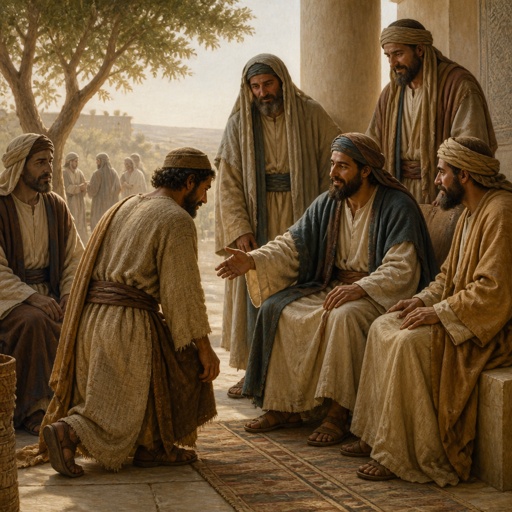
"That he may set him with princes, even with the princes of his people." - Psalms 113:8

"Blessed be the name of the LORD from this time forth and for evermore." - Psalms 113:2
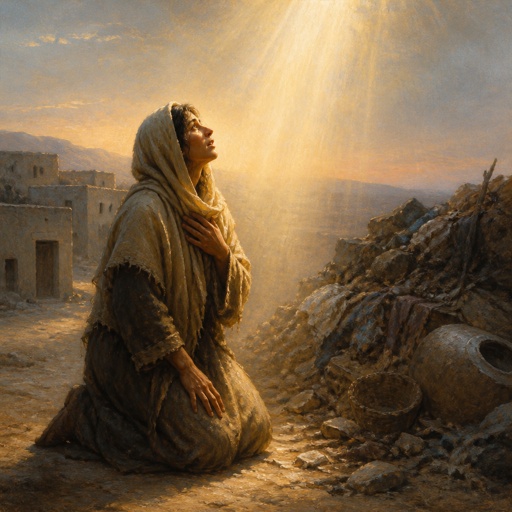
"He raiseth up the poor out of the dust, and lifteth the needy out of the dunghill;" - Psalms 113:7

Psalms 113:6 - "Who humbleth himself to behold the things that are in heaven, and in the earth!"

Psalms 113:2 - "Blessed be the name of the LORD from this time forth and for evermore."

Psalms 119:113 - "I hate vain thoughts: but thy law do I love."

"Who is like unto the LORD our God, who dwelleth on high," - Psalms 113:5

Psalms 113:5 - "Who is like unto the LORD our God, who dwelleth on high,"

"The LORD is high above all nations, and his glory above the heavens." - Psalms 113:4

Psalms 113:4 - "The LORD is high above all nations, and his glory above the heavens."

Psalms 113:3 - "From the rising of the sun unto the going down of the same the LORD'S name is to be praised."

Psalms 113:1 - "Praise ye the LORD. Praise, O ye servants of the LORD, praise the name of the LORD."
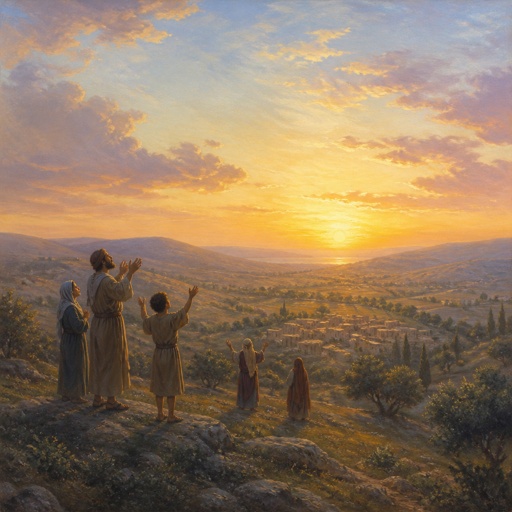
"From the rising of the sun unto the going down of the same the LORD'S name is to be praised." - Psalms 113:3

Psalms 113:9 - "He maketh the barren woman to keep house, and to be a joyful mother of children. Praise ye the LORD."

"All sheep and oxen, yea, and the beasts of the field;" - Psalms 8:7
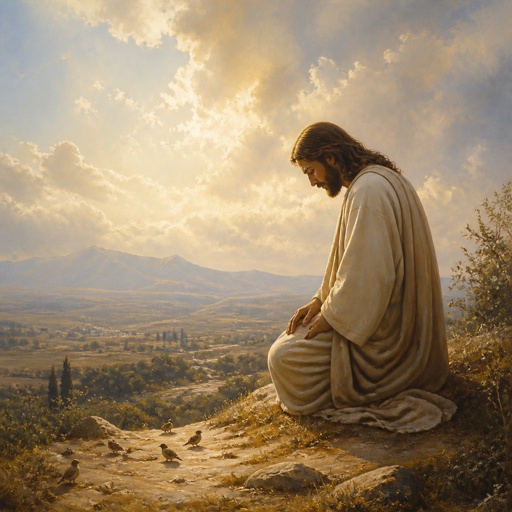
"Who humbleth himself to behold the things that are in heaven, and in the earth!" - Psalms 113:6
!["He raiseth up the poor out of the dust, [and] lifteth the needy out of the dunghill;
That he may set [him] with princes, [even] with the princes of his people." - Psalm 113:7-8](https://media.bible.art/af20cd1d-111b-4f72-9f1a-3c65a2b10fa3-thumbnail.jpg)
"He raiseth up the poor out of the dust, [and] lifteth the needy out of the dunghill; That he may set [him] with princes, [even] with the princes of his people." - Psalm 113:7-8
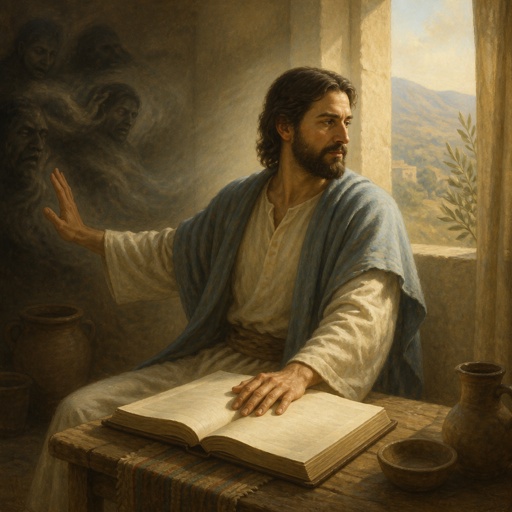
"I hate vain thoughts: but thy law do I love." - Psalms 119:113

Psalms 8:7 - "All sheep and oxen, yea, and the beasts of the field;"

Psalms 20 7
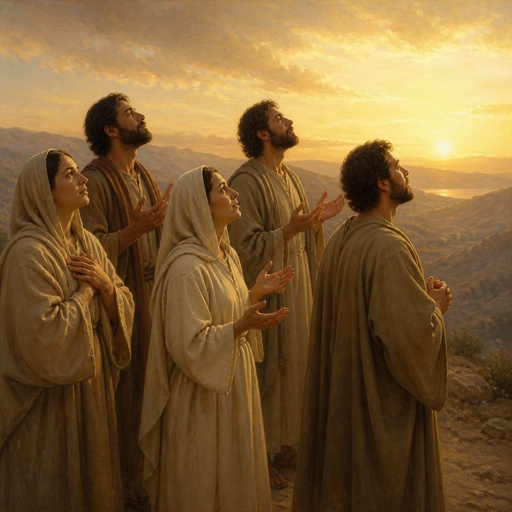
"Praise ye the LORD. Praise, O ye servants of the LORD, praise the name of the LORD." - Psalms 113:1
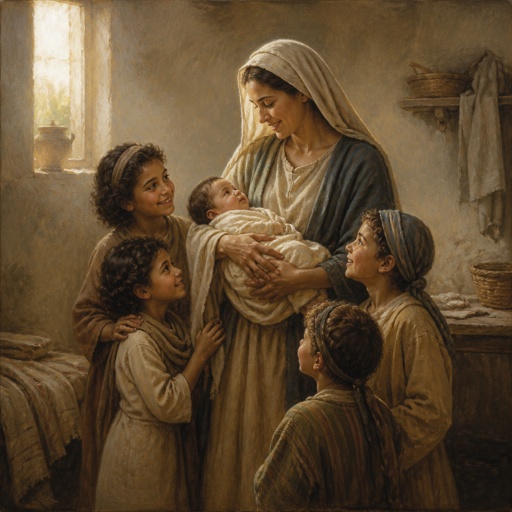
"He maketh the barren woman to keep house, and to be a joyful mother of children. Praise ye the LORD." - Psalms 113:9

Hallelujah! Praise the Lord! Go ahead, praise the Lord, all you loving servants! Keep it up! Praise him some more! For the glorious name of the Lord is blessed forever and ever. From sunrise-brilliance to sunset-beauty, Lift up his praise from dawn to dusk! Psalms 113:1-3

Psalms 49:8 - "(For the redemption of their soul is precious, and it ceaseth for ever:)"

Psalms 7:8 - "The LORD shall judge the people: judge me, O LORD, according to my righteousness, and according to mine integrity that is in me."
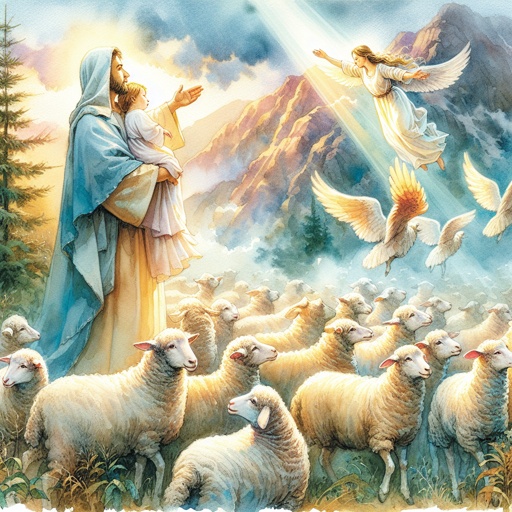
psalm 80:1-7

Psalm 113:4-5 - "The LORD is high above all nations, and his glory above the heavens. Who is like unto the LORD our God, who dwelleth on high."