What does Psalms 119:103 mean?
“How sweet are thy words unto my taste! yea, sweeter than honey to my mouth!” — Psalms 119:103
Psalms 119:103 from the King James Version of the Bible reads, "How sweet are thy words unto my taste! yea, sweeter than honey to my mouth!" This verse is part of the longest chapter in the Bible, which is a hymn of praise to the Word of God and a reflection on the importance of following His commandments. The verse is significant in that it expresses the deep and personal impact that the Word of God has on the Psalmist's life.
The theme of the sweetness of God's words is central to this verse. The Psalmist uses the metaphor of honey to convey the delight and satisfaction that comes from engaging with and meditating on God's word. Honey is known for its sweetness and its ability to bring pleasure to the one who tastes it. In the same way, the Psalmist finds God's words to be a source of joy and contentment for his soul. This imagery of sweetness evokes a sense of intimacy and satisfaction that the Psalmist experiences in his relationship with God through His word.
The context of this verse is important for understanding its significance. Psalm 119 is an acrostic poem, with each section corresponding to a letter of the Hebrew alphabet. Each stanza within this chapter focuses on the Word of God and the Psalmist's deep reverence for it. In this particular verse, the Psalmist is expressing his love for God's word and the immense pleasure he derives from studying and obeying it. The verse reflects a deep personal devotion to God and His commandments, as well as a recognition of the spiritual nourishment and satisfaction that comes from immersing oneself in His word.
The symbolism of honey in this verse is rich with meaning. In the Bible, honey is often used to symbolize sweetness, pleasure, and abundance. In the Old Testament, the Promised Land is described as "a land flowing with milk and honey" (Exodus 3:8), symbolizing its abundance and richness. In the New Testament, John the Baptist is said to have lived on a diet of locusts and wild honey (Matthew 3:4), suggesting a life of simplicity and purity. In both cases, honey represents the goodness and abundance that comes from being in God's presence.
This verse also points to the nourishing and life-giving quality of God's word. Just as honey is a source of sustenance and energy, the Psalmist finds that God's word provides spiritual nourishment and sustains him in his faith journey. The sweetness of God's words not only brings joy and pleasure to the Psalmist's soul, but also provides the strength and sustenance needed to live a life of obedience and devotion to God.
In addition to its spiritual significance, the metaphor of honey in this verse also points to the richness and depth of God's word. Just as honey is multifaceted in its flavor and texture, so too is the Word of God. It is full of wisdom, truth, and comfort, offering an abundance of nourishment to those who seek it. The richness and depth of God's word is a source of endless delight and discovery for the Psalmist, prompting him to savor and relish every aspect of it.
Overall, Psalm 119:103 is a powerful affirmation of the profound impact that God's word has on the Psalmist's life. The metaphor of honey conveys the depth of the Psalmist's delight in God's word and the satisfaction he finds in studying and obeying it. The verse speaks to the richness and sweetness of the Word of God, which brings joy, nourishment, and strength to those who immerse themselves in it. It is a beautiful expression of the intimate and transformative relationship between the Psalmist and God's word, highlighting the profound impact that it has on his spiritual journey.
Get our apps


Artwork for Psalms 119:103

Psalms 119:103 - "How sweet are thy words unto my taste! yea, sweeter than honey to my mouth!"

Psalms 119:103 (KJVA) 103 How sweet are thy words unto my taste! yea, sweeter than honey to my mouth!

Psalms 119:103 (KJVA) 103 How sweet are thy words unto my taste! yea, sweeter than honey to my mouth!

Psalms 119:103 (KJVA) 103 How sweet are thy words unto my taste! yea, sweeter than honey to my mouth!

Psalms 119:103 (KJVA) 103 How sweet are thy words unto my taste! yea, sweeter than honey to my mouth!

"How sweet are thy words unto my taste! yea, sweeter than honey to my mouth!" - Psalms 119:103
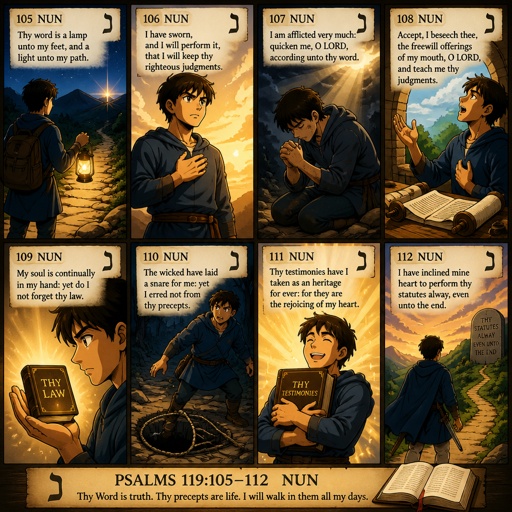
Psalms 119:105 NUN. Thy word is a lamp unto my feet, and a light unto my path. Psalms 119:106 I have sworn, and I will perform it, that I will keep thy righteous judgments. Psalms 119:107 I am afflicted very much: quicken me, O LORD, according unto thy word. Psalms 119:108 Accept, I beseech thee, the freewill offerings of my mouth, O LORD, and teach me thy judgments. Psalms 119:109 My soul is continually in my hand: yet do I not forget thy law. Psalms 119:110 The wicked have laid a snare for me: yet I erred not from thy precepts. Psalms 119:111 Thy testimonies have I taken as an heritage for ever: for they are the rejoicing of my heart. Psalms 119:112 I have inclined mine heart to perform thy statutes alway, even unto the end.

Psalms 103:3 - "Who forgiveth all thine iniquities; who healeth all thy diseases;"

Psalms 103:13

Psalms 103:21 - "Bless ye the LORD, all ye his hosts; ye ministers of his, that do his pleasure."

Psalms 119:11

"For he knoweth our frame; he remembereth that we are dust." - Psalms 103:14

Psalms 103:6 - "The LORD executeth righteousness and judgment for all that are oppressed."

Psalms 119:153 - "Consider mine affliction, and deliver me: for I do not forget thy law."

Psalms 119:174 - "I have longed for thy salvation, O LORD; and thy law is my delight."

Psalms 119:61 - "The bands of the wicked have robbed me: but I have not forgotten thy law."

Psalms 119:32 - "I will run the way of thy commandments, when thou shalt enlarge my heart."

"As for man, his days are as grass: as a flower of the field, so he flourisheth." - Psalms 103:15

Psalms 103:8 - "The LORD is merciful and gracious, slow to anger, and plenteous in mercy."

"He will not always chide: neither will he keep his anger for ever." - Psalms 103:9

Psalms 119:15

Psalms 103:14 - "For he knoweth our frame; he remembereth that we are dust."

Psalms 103:16 - "For the wind passeth over it, and it is gone; and the place thereof shall know it no more."

Psalms 103:9 - "He will not always chide: neither will he keep his anger for ever."

Psalms 103:2 - "Bless the LORD, O my soul, and forget not all his benefits:"

"For ever, O LORD, thy word is settled in heaven." - Psalms 119:89

Psalms 119:176 - "I have gone astray like a lost sheep; seek thy servant; for I do not forget thy commandments."

"Salvation is far from the wicked: for they seek not thy statutes." - Psalms 119:155

Psalms 103:15 - "As for man, his days are as grass: as a flower of the field, so he flourisheth."

Psalms 103:18 - "To such as keep his covenant, and to those that remember his commandments to do them."