What does Psalms 119:108 mean?
“Accept, I beseech thee, the freewill offerings of my mouth, O LORD, and teach me thy judgments.” — Psalms 119:108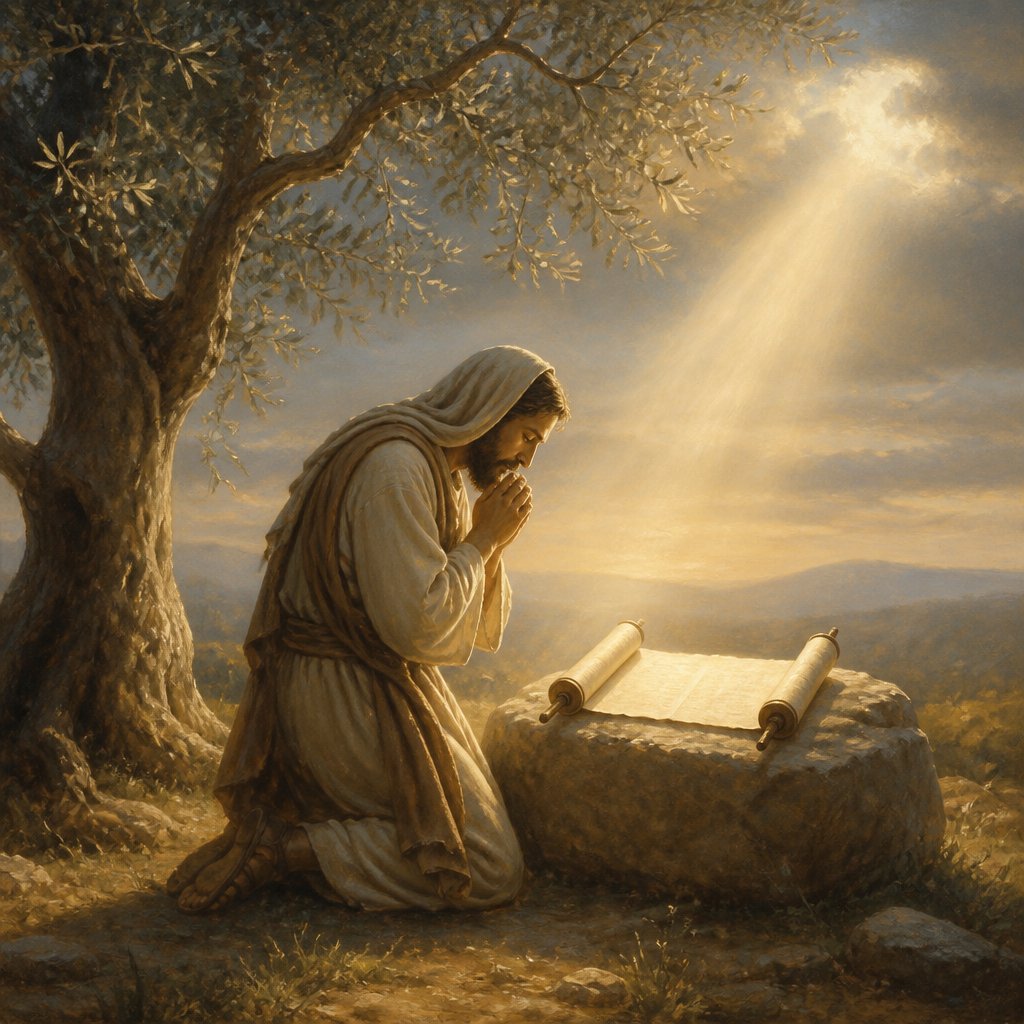
Psalms 119:108 in the King James Version reads, "Accept, I beseech thee, the freewill offerings of my mouth, O Lord, and teach me thy judgments." This verse is a powerful plea to God to accept the words and intentions that come from the speaker's heart. The verse is part of the longest chapter in the Bible, Psalms 119, which is a rich and diverse collection of verses all centered around the theme of God's word and the speaker's devotion to it.
The psalmist uses the term "freewill offerings" to describe the words that come from their mouth. In the Old Testament, freewill offerings were voluntary offerings made to God as a way of giving thanks and expressing devotion. They were not required by law, but rather given out of a sense of love and gratitude. The psalmist is essentially asking God to accept and receive the words that they freely offer, which reflects a deep sense of sincerity and authenticity. This reflects the importance and value of not only the physical offerings one makes, but also the spiritual and emotional offerings as well.
The speaker also asks God to "teach me thy judgments," indicating a desire for wisdom and understanding of God's laws and principles. The word "judgments" refers to the righteous decrees and laws of God, and the psalmist is expressing a longing for deeper insight into these divine standards. This request for instruction reveals the humble and teachable heart of the speaker, who recognizes their need for God's guidance and wisdom.
The themes present in this verse are ones of devotion, humility, and a deep desire for spiritual growth and understanding. The psalmist's heartfelt plea to God reflects a sincere and earnest pursuit of righteousness and a longing to align themselves with God's will.
The context of Psalms 119 is important in understanding the significance of this verse. It is a psalm that is entirely devoted to the word of God and the psalmist's deep love and commitment to it. The psalm is composed of 22 stanzas, each corresponding to a letter of the Hebrew alphabet, and each stanza is made up of eight verses. The entire psalm emphasizes the importance of God's word as a source of guidance, comfort, and instruction. The psalmist's devotion to God's word is unwavering, and they express it through praise, meditation, and obedience.
The verse itself comes at the end of the 12th stanza, which corresponds to the letter Lamed. Each stanza in Psalms 119 focuses on a different aspect of God's word and the speaker's response to it, and the Lamed stanza addresses the theme of learning and obedience. This particular verse reflects the psalmist's desire to offer their words and actions to God as a sign of their devotion, and their plea for God to continue to teach and instruct them in his ways.
One can also find layers of symbolism in this verse. The concept of "freewill offerings" symbolizes the act of giving freely and willingly from the heart, which is a reflection of one's genuine love for God. The request for God to "teach me thy judgments" symbolizes a desire for deeper understanding and the pursuit of wisdom and righteousness.
In conclusion, Psalms 119:108 is a deeply meaningful verse that exemplifies the psalmist's devotion to God's word and their earnest desire for spiritual growth and understanding. It serves as a beautiful reminder of the importance of offering our words and intentions to God with sincerity and authenticity, and the humility of seeking guidance and wisdom from Him. The verse holds a timeless relevance and speaks to the timeless human longing for connection with the divine and the pursuit of righteousness.
Get our apps


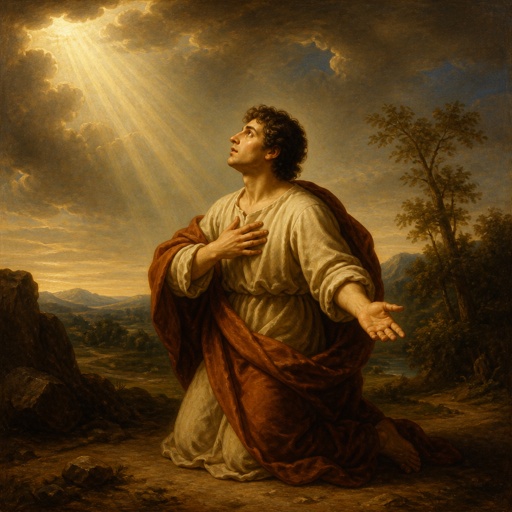
Artwork for Psalms 119:108

Psalms 119:108 - "Accept, I beseech thee, the freewill offerings of my mouth, O LORD, and teach me thy judgments."
"Accept, I beseech thee, the freewill offerings of my mouth, O LORD, and teach me thy judgments." - Psalms 119:108
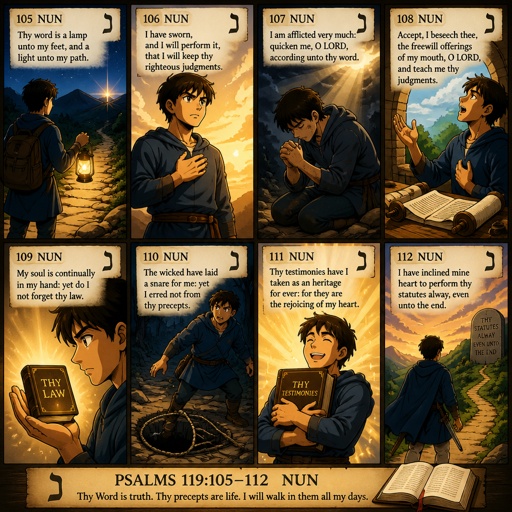
Psalms 119:105 NUN. Thy word is a lamp unto my feet, and a light unto my path. Psalms 119:106 I have sworn, and I will perform it, that I will keep thy righteous judgments. Psalms 119:107 I am afflicted very much: quicken me, O LORD, according unto thy word. Psalms 119:108 Accept, I beseech thee, the freewill offerings of my mouth, O LORD, and teach me thy judgments. Psalms 119:109 My soul is continually in my hand: yet do I not forget thy law. Psalms 119:110 The wicked have laid a snare for me: yet I erred not from thy precepts. Psalms 119:111 Thy testimonies have I taken as an heritage for ever: for they are the rejoicing of my heart. Psalms 119:112 I have inclined mine heart to perform thy statutes alway, even unto the end.

Psalms 108:1 - "O God, my heart is fixed; I will sing and give praise, even with my glory."

Psalms 108:2 - "Awake, psaltery and harp: I myself will awake early."

Psalms 108:10 - "Who will bring me into the strong city? who will lead me into Edom?"

Psalms 108:12 - "Give us help from trouble: for vain is the help of man."

"Who will bring me into the strong city? who will lead me into Edom?" - Psalms 108:10
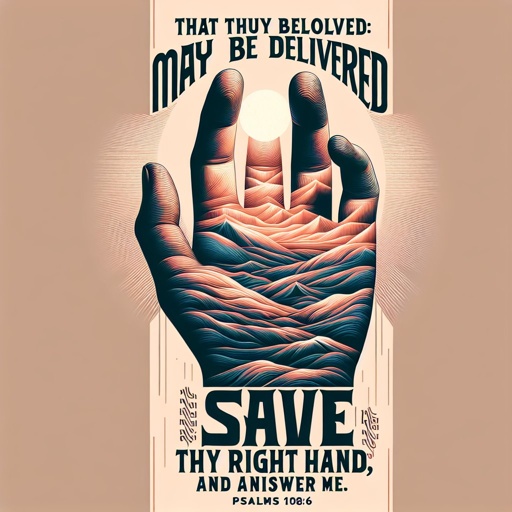
Psalms 108:6 - "That thy beloved may be delivered: save with thy right hand, and answer me."

Psalms 108:4 - "For thy mercy is great above the heavens: and thy truth reacheth unto the clouds."

"For thy mercy is great above the heavens: and thy truth reacheth unto the clouds." - Psalms 108:4

Psalms 108:5 - "Be thou exalted, O God, above the heavens: and thy glory above all the earth;"

Psalms 108:13 - "Through God we shall do valiantly: for he it is that shall tread down our enemies."
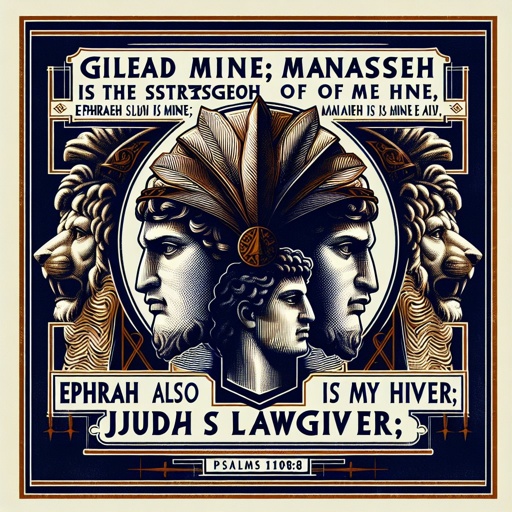
Psalms 108:8 - "Gilead is mine; Manasseh is mine; Ephraim also is the strength of mine head; Judah is my lawgiver;"

"O God, my heart is fixed; I will sing and give praise, even with my glory." - Psalms 108:1

"Be thou exalted, O God, above the heavens: and thy glory above all the earth;" - Psalms 108:5

Psalms 108:7 - "God hath spoken in his holiness; I will rejoice, I will divide Shechem, and mete out the valley of Succoth."

Psalms 108:9 - "Moab is my washpot; over Edom will I cast out my shoe; over Philistia will I triumph."

Psalms 108:3 - "I will praise thee, O LORD, among the people: and I will sing praises unto thee among the nations."

"Through God we shall do valiantly: for he it is that shall tread down our enemies." - Psalms 108:13
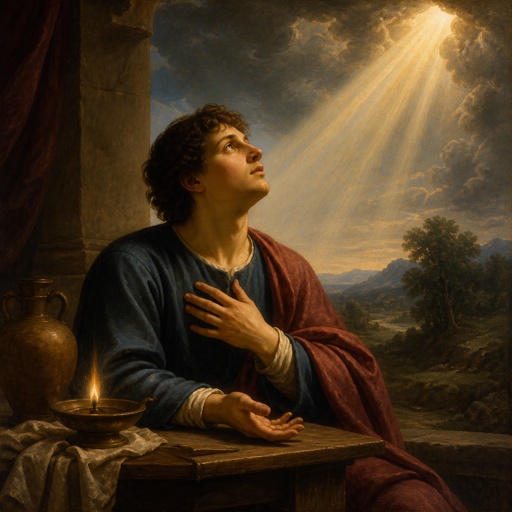
Psalms 119:11

Psalms 119:153 - "Consider mine affliction, and deliver me: for I do not forget thy law."
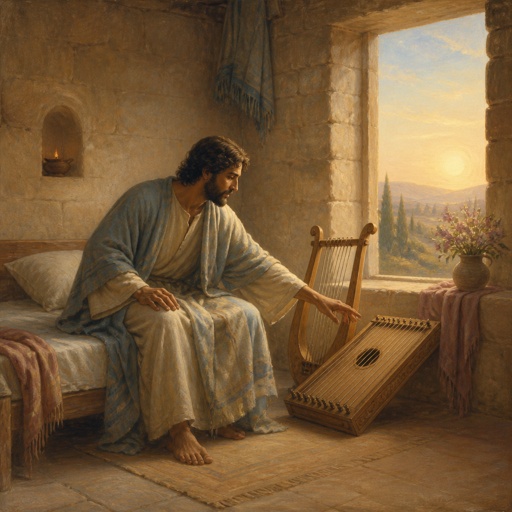
"Awake, psaltery and harp: I myself will awake early." - Psalms 108:2

Psalms 119:174 - "I have longed for thy salvation, O LORD; and thy law is my delight."

Psalms 119:61 - "The bands of the wicked have robbed me: but I have not forgotten thy law."

Psalms 119:32 - "I will run the way of thy commandments, when thou shalt enlarge my heart."
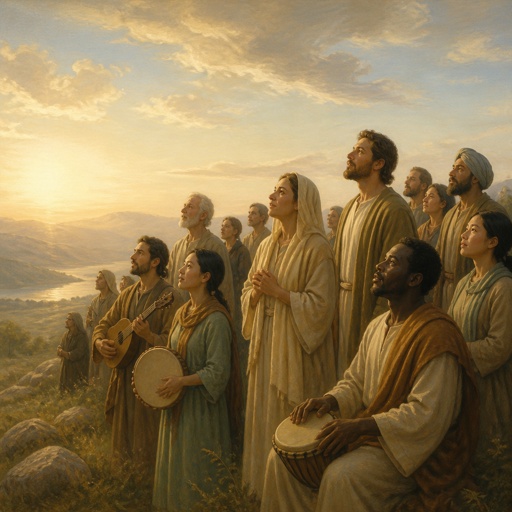
"I will praise thee, O LORD, among the people: and I will sing praises unto thee among the nations." - Psalms 108:3

Psalms 108:11 - "Wilt not thou, O God, who hast cast us off? and wilt not thou, O God, go forth with our hosts?"
Psalms 119:15

"God hath spoken in his holiness; I will rejoice, I will divide Shechem, and mete out the valley of Succoth." - Psalms 108:7