What does Psalms 119:114 mean?
“Thou art my hiding place and my shield: I hope in thy word.” — Psalms 119:114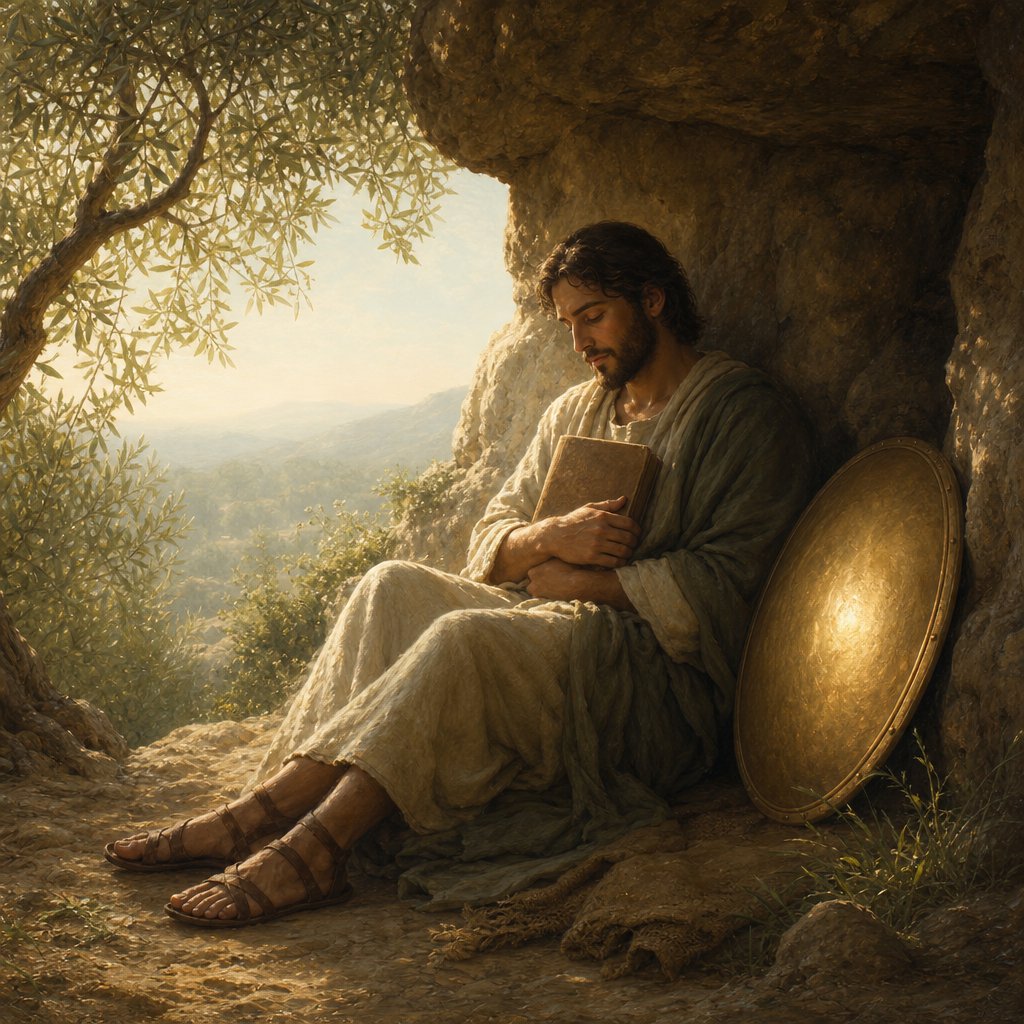
Psalm 119:114 in the King James Version reads, “Thou art my hiding place and my shield: I hope in thy word.”
Within Psalm 119, a long meditation that continually turns upon the excellency of the word of God, this verse stands as a compact confession of where the faithful soul flees for safety and how it stands its ground. The speaker is not merely admiring the law of the LORD as an abstract ideal; he is speaking out of lived pressure, surrounded by dangers that are hinted at throughout the psalm—affliction, persecution, reproach, enemies, and the inward weakness that suffering exposes. In that setting, the verse gathers the whole spiritual posture of the psalmist into three related declarations: God is his refuge, God is his defense, and God’s word is the ground of his expectation.
“Thou art my hiding place” evokes the idea of concealment from threat, a place where a hunted life is kept from being overtaken. A hiding place is intimate and near; it suggests that the believer does not merely receive help from a distance but is sheltered by the LORD Himself. In the world of the psalms, danger is often real, personal, and pressing, and the image of hiding implies that the faithful may be brought low enough to need covering rather than conquest. The significance here is that the psalmist’s safety is not first found in strategy, strength, or circumstance, but in God’s presence as a refuge.
“And my shield” adds a second layer of meaning. A hiding place protects by concealment; a shield protects by interception. The shield belongs to the field of battle, implying that the believer’s life is not only about retreat but also about endurance while under assault. This is important in Psalm 119, because the psalmist does not speak as one who has escaped the struggle permanently; he speaks as one who must keep walking in obedience amid opposition. The LORD being “my shield” indicates that protection is active: God stands between the servant and what would destroy him. The pairing of “hiding place” and “shield” therefore gives a full picture of divine protection—God covers when the servant must be kept, and God defends when the servant must stand.
The final clause, “I hope in thy word,” ties refuge and defense to the central theme of Psalm 119: the word of God as the believer’s sustaining certainty. The hope here is not wishful thinking or optimism grounded in changing conditions. It is expectation anchored in what God has spoken—His commandments, testimonies, statutes, judgments, and promises, all of which Psalm 119 celebrates with many names. The psalmist does not say merely that he hopes in God in a vague sense; he specifically hopes “in thy word,” because God’s word is where God has bound His name to truth, where His will is made known, where His faithfulness is remembered, and where the believer’s path is directed. In the logic of the verse, the word is the reason the psalmist dares to treat God as hiding place and shield: what God is to him is not imagined; it is believed because God has spoken.
Symbolically, the verse also describes the inward life of faith. The “hiding place” can be understood as the secret refuge of communion with God, where fear is quieted and the soul is steadied. The “shield” speaks to the outward life, where arrows of accusation, temptation, and persecution may fly. The “word” stands at the center, because it is through the word that the believer knows where to hide, how to stand, and why he may hope. Thus the verse is not simply about safety; it is about a life ordered by trust. The psalmist’s confidence is not rooted in himself but in the LORD, and the instrument by which that confidence is maintained is continual reliance on what God has said.
In the wider flow of Psalm 119, this confession functions like a resting point in the midst of repeated pleas for help and renewed commitments to obey. It shows that devotion to God’s word is not cold legalism but living dependence. The significance of Psalm 119:114, then, is that it captures the believer’s relationship to God as both refuge and defender, while insisting that true hope is tethered to divine speech. When circumstances threaten, when enemies press, and when the heart is tempted to despair, the psalmist locates safety and perseverance not in the strength of his own resolve but in the LORD Himself, and he keeps his expectation alive by hoping in the word God has given.
Get our apps


Artwork for Psalms 119:114

Psalms 119:114 - "Thou art my hiding place and my shield: I hope in thy word."

"Thou art my hiding place and my shield: I hope in thy word." - Psalms 119:114

"Thou art my hiding place and my shield: I hope in thy word." - Psalms 119:114

psalm 119:114

Psalm 119:114 (KJVA) 114 Thou art my hiding place and my shield: I hope in thy word.

Psalms 114:4 - "The mountains skipped like rams, and the little hills like lambs."

Psalms 114:2 - "Judah was his sanctuary, and Israel his dominion."

Psalms 114:6 - "Ye mountains, that ye skipped like rams; and ye little hills, like lambs?"

Psalms 114:8 - "Which turned the rock into a standing water, the flint into a fountain of waters."

"The sea saw it, and fled: Jordan was driven back." - Psalms 114:3
!["Thou [art] my hiding place and my shield: I hope in thy word." - Psalm 119:114](https://media.bible.art/5e946088-1468-4b3e-a30d-491566f19ba6-thumbnail.jpg)
"Thou [art] my hiding place and my shield: I hope in thy word." - Psalm 119:114

Psalms 114:3 - "The sea saw it, and fled: Jordan was driven back."

"The mountains skipped like rams, and the little hills like lambs." - Psalms 114:4

"Ye mountains, that ye skipped like rams; and ye little hills, like lambs?" - Psalms 114:6

Psalms 114:7 - "Tremble, thou earth, at the presence of the Lord, at the presence of the God of Jacob;"
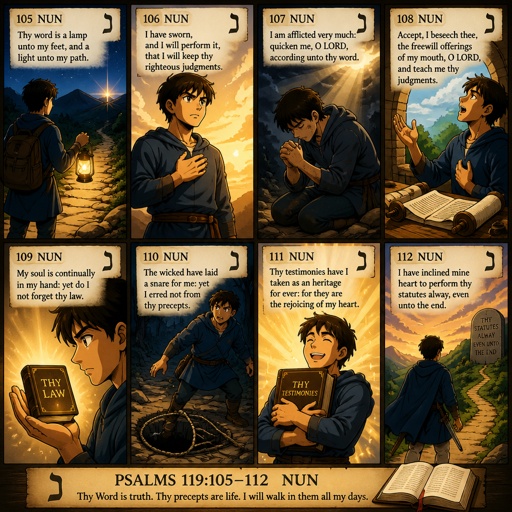
Psalms 119:105 NUN. Thy word is a lamp unto my feet, and a light unto my path. Psalms 119:106 I have sworn, and I will perform it, that I will keep thy righteous judgments. Psalms 119:107 I am afflicted very much: quicken me, O LORD, according unto thy word. Psalms 119:108 Accept, I beseech thee, the freewill offerings of my mouth, O LORD, and teach me thy judgments. Psalms 119:109 My soul is continually in my hand: yet do I not forget thy law. Psalms 119:110 The wicked have laid a snare for me: yet I erred not from thy precepts. Psalms 119:111 Thy testimonies have I taken as an heritage for ever: for they are the rejoicing of my heart. Psalms 119:112 I have inclined mine heart to perform thy statutes alway, even unto the end.

"Judah was his sanctuary, and Israel his dominion." - Psalms 114:2

Psalms 114:1 - "When Israel went out of Egypt, the house of Jacob from a people of strange language;"
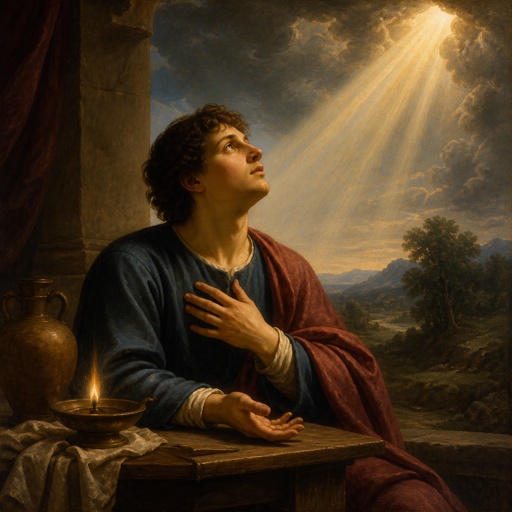
Psalms 119:11

Psalms 114:5 - "What ailed thee, O thou sea, that thou fleddest? thou Jordan, that thou wast driven back?"

Psalms 119:174 - "I have longed for thy salvation, O LORD; and thy law is my delight."

Psalms 119:153 - "Consider mine affliction, and deliver me: for I do not forget thy law."

Psalms 119:61 - "The bands of the wicked have robbed me: but I have not forgotten thy law."

Psalms 119:32 - "I will run the way of thy commandments, when thou shalt enlarge my heart."
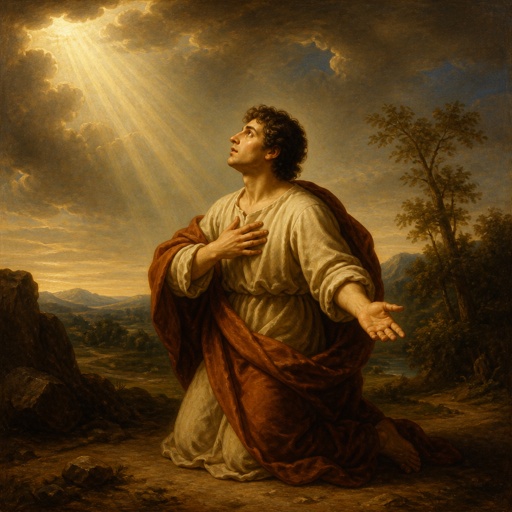
Psalms 119:15

"Which turned the rock into a standing water, the flint into a fountain of waters." - Psalms 114:8

"Tremble, thou earth, at the presence of the Lord, at the presence of the God of Jacob;" - Psalms 114:7

"For ever, O LORD, thy word is settled in heaven." - Psalms 119:89

Psalms 119:176 - "I have gone astray like a lost sheep; seek thy servant; for I do not forget thy commandments."

"Salvation is far from the wicked: for they seek not thy statutes." - Psalms 119:155