What does Psalms 119:12 mean?
“Blessed art thou, O LORD: teach me thy statutes.” — Psalms 119:12
Psalm 119:12 in the King James Version of the Bible reads, "Blessed art thou, O Lord: teach me thy statutes." This verse comes from the longest chapter in the Bible, Psalm 119, which is a beautiful expression of love and devotion to God's law.
The theme of this verse is a plea for divine guidance and instruction. The psalmist acknowledges God’s wisdom and authority, recognizing that only through learning and obeying God’s statutes can one experience true blessings and fulfillment. This verse emphasizes the importance of seeking knowledge and understanding from the Lord.
The context of Psalm 119 is that of a devout believer meditating on the importance of God’s word and seeking to align his life with its precepts. The psalmist affirms his commitment to following God’s commands and expresses his deep love for the law. The entire psalm is an acrostic poem, with each section beginning with a different letter of the Hebrew alphabet, reflecting the comprehensive nature of the psalmist’s devotion to God's law.
Symbolism plays a significant role in this verse as well. The word "statutes" can be interpreted as a reference to God’s commandments and laws. It symbolizes God’s divine authority and the moral framework by which believers are to live their lives. By asking God to teach him His statutes, the psalmist is acknowledging God’s sovereignty and his own need for divine guidance.
The word "blessed" in this verse signifies a state of happiness and contentment that comes from living according to God’s will. It also implies a sense of divine favor and protection. By acknowledging the Lord as the source of blessings, the psalmist is expressing a deep sense of gratitude and humility before God.
The phrase "teach me" indicates the psalmist’s desire to grow in knowledge and understanding of God's law. It reflects a posture of humility and a willingness to be instructed by God. This request for guidance conveys the psalmist's recognition of his own inadequacy and dependence on God's wisdom.
Overall, Psalm 119:12 is a profound expression of devotion and submission to God's law. It emphasizes the importance of seeking divine instruction and guidance in order to experience the blessings that come from living according to God’s will. The verse reflects themes of humility, gratitude, and a deep reverence for God's authority. It also serves as a reminder of the believer’s continual need for spiritual growth and learning.
In conclusion, Psalm 119:12 is a powerful affirmation of the believer’s commitment to seeking God’s guidance and instruction. It highlights the blessings that come from living in obedience to God’s statutes and underscores the importance of aligning one’s life with God's will. The verse serves as a poignant reminder of the believer’s continual need for spiritual growth and a humble posture of seeking divine wisdom. Through its themes of humility, gratitude, and reverence for God's law, Psalm 119:12 continues to inspire and challenge believers to live in accordance with God’s principles.
Get our apps


Artwork for Psalms 119:12

Psalms 119:12 - "Blessed art thou, O LORD: teach me thy statutes."

"Blessed art thou, O LORD: teach me thy statutes." - Psalms 119:12
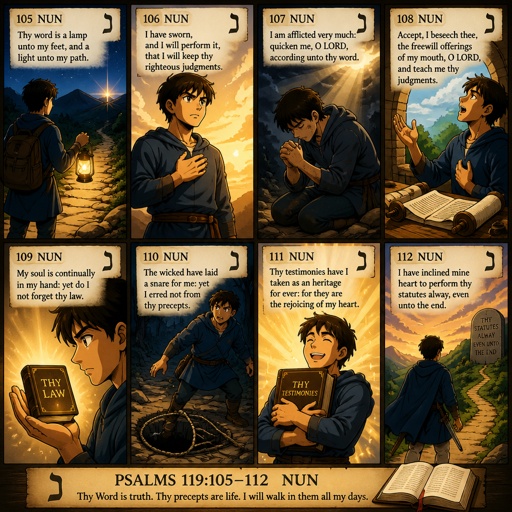
Psalms 119:105 NUN. Thy word is a lamp unto my feet, and a light unto my path. Psalms 119:106 I have sworn, and I will perform it, that I will keep thy righteous judgments. Psalms 119:107 I am afflicted very much: quicken me, O LORD, according unto thy word. Psalms 119:108 Accept, I beseech thee, the freewill offerings of my mouth, O LORD, and teach me thy judgments. Psalms 119:109 My soul is continually in my hand: yet do I not forget thy law. Psalms 119:110 The wicked have laid a snare for me: yet I erred not from thy precepts. Psalms 119:111 Thy testimonies have I taken as an heritage for ever: for they are the rejoicing of my heart. Psalms 119:112 I have inclined mine heart to perform thy statutes alway, even unto the end.
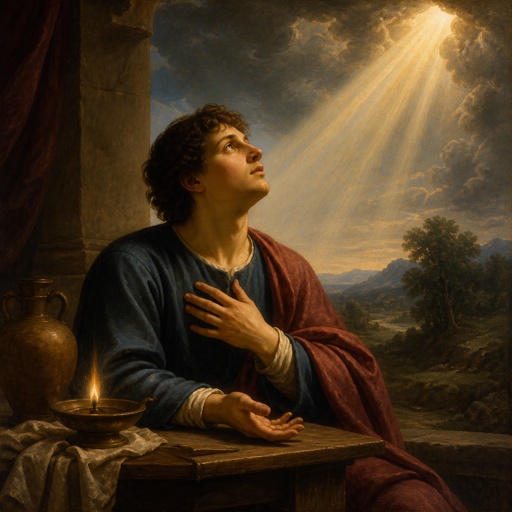
Psalms 119:11

Psalms 119:153 - "Consider mine affliction, and deliver me: for I do not forget thy law."

Psalms 119:174 - "I have longed for thy salvation, O LORD; and thy law is my delight."

Psalms 119:61 - "The bands of the wicked have robbed me: but I have not forgotten thy law."

Psalms 119:32 - "I will run the way of thy commandments, when thou shalt enlarge my heart."

Psalms 119:15

"For ever, O LORD, thy word is settled in heaven." - Psalms 119:89

Psalms 119:176 - "I have gone astray like a lost sheep; seek thy servant; for I do not forget thy commandments."

"Salvation is far from the wicked: for they seek not thy statutes." - Psalms 119:155

Psalms 119:119 - "Thou puttest away all the wicked of the earth like dross: therefore I love thy testimonies."

"I beheld the transgressors, and was grieved; because they kept not thy word." - Psalms 119:158

"Righteous art thou, O LORD, and upright are thy judgments." - Psalms 119:137

Psalms 119:3 - "They also do no iniquity: they walk in his ways."

"Thy testimonies that thou hast commanded are righteous and very faithful." - Psalms 119:138

"Thou hast commanded us to keep thy precepts diligently." - Psalms 119:4

Psalms 119:24 - "Thy testimonies also are my delight and my counsellors."

Psalms 119:36 - "Incline my heart unto thy testimonies, and not to covetousness."

Psalms 119:70 - "Their heart is as fat as grease; but I delight in thy law."

Psalms 119:56 - "This I had, because I kept thy precepts."

Psalms 119:60 - "I made haste, and delayed not to keep thy commandments."

Psalms 119:45 - "And I will walk at liberty: for I seek thy precepts."

"It is time for thee, LORD, to work: for they have made void thy law." - Psalms 119:126

"Thy statutes have been my songs in the house of my pilgrimage." - Psalms 119:54

"The proud have digged pits for me, which are not after thy law." - Psalms 119:85

Psalms 119:103 (KJVA) 103 How sweet are thy words unto my taste! yea, sweeter than honey to my mouth!

"And I will delight myself in thy commandments, which I have loved." - Psalms 119:47

"The entrance of thy words giveth light; it giveth understanding unto the simple." - Psalms 119:130