What does Psalms 119:164 mean?
"Seven times a day do I praise thee because of thy righteous judgments." - Psalms 119:164
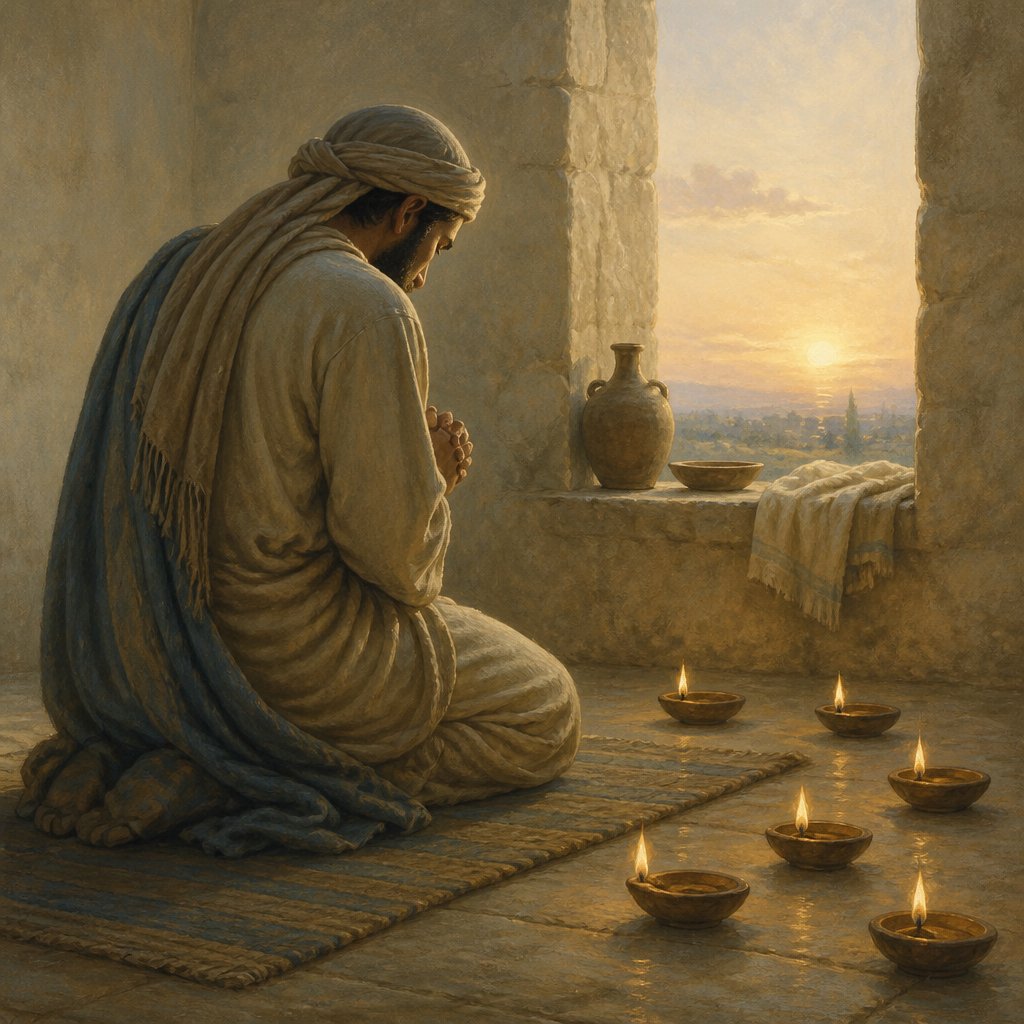
Psalm 119:164 from the King James Version of the Bible reads, "Seven times a day do I praise thee because of thy righteous judgments."
In this verse, the psalmist is expressing his unwavering commitment to praise God throughout the day. The number seven in the Bible is often used to symbolize completeness or perfection, so the psalmist's use of "seven times" emphasizes his dedication to continually praising and glorifying God. The act of praising God "because of thy righteous judgments" also demonstrates the psalmist's recognition of God's sovereignty, justice, and righteousness in all His judgments.
The theme of praise and worship is central to this verse, as the psalmist is declaring his intention to honor and exalt God consistently and wholeheartedly. The act of praising God is an important aspect of the psalmist's faith, as it signifies his reverence for God and his desire to acknowledge and thank God for His goodness, greatness, and righteousness. By praising God "seven times a day," the psalmist is exhibiting a lifestyle of worship and gratitude, recognizing God's presence and goodness throughout every moment of the day.
The context of Psalm 119 is one of deep devotion to God and a fervent love for His commandments and statutes. The psalmist frequently extols the virtues of God's Word and expresses his commitment to following and obeying it. He finds joy and delight in God's instructions, and his love for God's laws is evident throughout the entire psalm. In verse 164, the psalmist's dedication to praising God is yet another demonstration of his deep and abiding faith.
The symbolism in this verse lies in the act of praising God "seven times a day." As mentioned earlier, the number seven often represents completion or perfection in the Bible. By praising God seven times a day, the psalmist symbolically conveys his complete and unwavering dedication to worshiping God. This act of continual praise also symbolizes the psalmist's recognition of God's presence and sovereignty throughout every moment of his life.
Furthermore, the mention of "thy righteous judgments" symbolizes the psalmist's trust in God's righteousness and justice. The psalmist acknowledges that God's judgments are always righteous and just, and he praises God for His faithfulness and integrity. This recognition of God's righteous judgments serves as a symbol of the psalmist's faith and trust in God's character and His divine wisdom.
In conclusion, Psalm 119:164 is a powerful expression of the psalmist's devotion to praising and worshiping God. The verse highlights the psalmist's unwavering commitment to honoring God throughout the day and symbolizes his complete dedication to living a life of worship and gratitude. The mention of "thy righteous judgments" also symbolizes the psalmist's trust in God's righteousness and justice. Overall, this verse serves as a beautiful example of a heart that is fully devoted to God and His Word.
Have questions about Psalms 119:164?
Dive deeper into this scripture with Bible Chat — an AI-powered tool for exploring God's Word through conversation. Ask questions, get context, and grow in your understanding of the Bible.
Get Our Apps


Psalms 119:164 Artwork
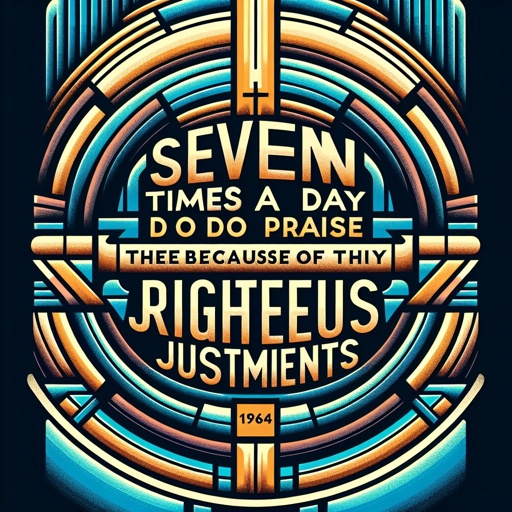
Psalms 119:164 - "Seven times a day do I praise thee because of thy righteous judgments."
"Seven times a day do I praise thee because of thy righteous judgments." - Psalms 119:164

Psalms 119:153 - "Consider mine affliction, and deliver me: for I do not forget thy law."

Psalms 119:174 - "I have longed for thy salvation, O LORD; and thy law is my delight."

Psalms 119:61 - "The bands of the wicked have robbed me: but I have not forgotten thy law."

Psalms 119:32 - "I will run the way of thy commandments, when thou shalt enlarge my heart."

"For ever, O LORD, thy word is settled in heaven." - Psalms 119:89

Psalms 119:176 - "I have gone astray like a lost sheep; seek thy servant; for I do not forget thy commandments."

"Salvation is far from the wicked: for they seek not thy statutes." - Psalms 119:155

Psalms 119:119 - "Thou puttest away all the wicked of the earth like dross: therefore I love thy testimonies."

"I beheld the transgressors, and was grieved; because they kept not thy word." - Psalms 119:158

"Righteous art thou, O LORD, and upright are thy judgments." - Psalms 119:137

Psalms 119:3 - "They also do no iniquity: they walk in his ways."

"Thy testimonies that thou hast commanded are righteous and very faithful." - Psalms 119:138

Psalms 119:162 - "I rejoice at thy word, as one that findeth great spoil."

"Thou hast commanded us to keep thy precepts diligently." - Psalms 119:4

Psalms 119:24 - "Thy testimonies also are my delight and my counsellors."

Psalms 119:70 - "Their heart is as fat as grease; but I delight in thy law."

Psalms 119:36 - "Incline my heart unto thy testimonies, and not to covetousness."

Psalms 119:56 - "This I had, because I kept thy precepts."

Psalms 119:45 - "And I will walk at liberty: for I seek thy precepts."

Psalms 119:60 - "I made haste, and delayed not to keep thy commandments."

"It is time for thee, LORD, to work: for they have made void thy law." - Psalms 119:126

"Thy statutes have been my songs in the house of my pilgrimage." - Psalms 119:54

Psalms 119:163 - "I hate and abhor lying: but thy law do I love."

"The proud have digged pits for me, which are not after thy law." - Psalms 119:85

Psalms 119:103 (KJVA) 103 How sweet are thy words unto my taste! yea, sweeter than honey to my mouth!

"And I will delight myself in thy commandments, which I have loved." - Psalms 119:47

Psalms 119:16 - "I will delight myself in thy statutes: I will not forget thy word."

"The entrance of thy words giveth light; it giveth understanding unto the simple." - Psalms 119:130