What does Psalms 119:39 mean?
“Turn away my reproach which I fear: for thy judgments are good.” — Psalms 119:39
Psalms 119:39 in the King James Version of the Bible reads, "Turn away my reproach which I fear: for thy judgments are good." This verse is part of the longest chapter in the Bible, which is dedicated to praising and exalting God's law. Psalm 119 consists of 176 verses, all of which are focused on the theme of the importance of God's word and the impact it has on the lives of believers.
The verse begins with a plea for God to "turn away my reproach which I fear." The word "reproach" refers to a feeling of shame or disgrace that arises from the judgment or criticism of others. In this context, the psalmist is expressing concern about the possibility of being judged or shamed by others for their faith and commitment to God's law. The fear of reproach can be a common experience for believers, particularly in the face of persecution or ridicule from those who do not share their beliefs. The psalmist's plea for God to turn away this reproach demonstrates a desire for protection and deliverance from the potential harm or backlash that may result from their commitment to following God's commandments.
The second half of the verse states, "for thy judgments are good." This statement serves as a declaration of trust and confidence in the righteousness and goodness of God's judgments. The word "judgments" in this context refers to God's laws, commands, and decrees that serve as the foundation for moral and ethical living. By affirming the goodness of God's judgments, the psalmist is acknowledging the inherent value and wisdom contained within the principles and precepts of God's law. This affirmation reflects the psalmist's deep reverence and respect for the divine wisdom and moral authority that underpin the laws and teachings of God.
The verse as a whole is a poignant expression of the tension and struggle that believers often face in a world that may not always embrace or understand their faith. The fear of reproach and judgment from others is a natural and relatable human emotion, and the psalmist's honest acknowledgment of this fear underscores the vulnerability and humility of their faith. At the same time, the affirmation of God's good judgments serves as a source of reassurance and strength, providing a solid foundation upon which the psalmist can stand firm in the face of potential criticism or persecution.
The themes present in this verse have enduring relevance and resonance for believers today. In a world that is often hostile or indifferent to matters of faith, the fear of reproach and judgment can be a powerful deterrent to openly professing one's beliefs. The psalmist's plea for deliverance from this fear serves as a reminder that it is natural to experience moments of doubt or apprehension about the potential consequences of publicly expressing one's faith. However, the affirmation of the goodness of God's judgments also offers hope and encouragement, reminding believers of the enduring value and righteousness of God's law in the face of societal pressure or opposition.
The context of Psalm 119 as a whole further enriches the meaning of this verse. The chapter is a rich tapestry of praise and reverence for the law of God, with each verse offering a unique perspective on the profound impact of God's word on the lives of believers. The psalmist's plea for deliverance from reproach is thus situated within a broader framework of exalting and upholding the significance of God's law as a source of guidance, wisdom, and consolation.
In terms of symbolism, the verse can be seen as a representation of the perennial struggle between faith and doubt, and the tension between the fear of reproach and the affirmations of God's righteousness. The psalmist's plea encapsulates the dichotomy of the human experience, in which the desire for protection and deliverance from potential harm coexists with an unwavering trust in the goodness and wisdom of God's law.
In conclusion, Psalm 119:39 in the King James Version of the Bible encapsulates the complex interplay of fear and faith, doubt and affirmation, that are foundational to the experience of believers in their journey of following God. The verse serves as a poignant reflection of the human struggle with the fear of reproach and the unwavering trust in the goodness of God's judgments, offering reassurance and consolation to believers in the face of potential persecution or judgment for their faith.
Get our apps


Artwork for Psalms 119:39

Psalms 119:39 - "Turn away my reproach which I fear: for thy judgments are good."

"Turn away my reproach which I fear: for thy judgments are good." - Psalms 119:39
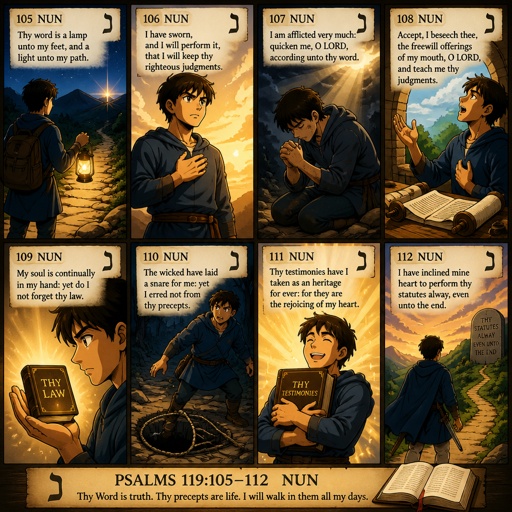
Psalms 119:105 NUN. Thy word is a lamp unto my feet, and a light unto my path. Psalms 119:106 I have sworn, and I will perform it, that I will keep thy righteous judgments. Psalms 119:107 I am afflicted very much: quicken me, O LORD, according unto thy word. Psalms 119:108 Accept, I beseech thee, the freewill offerings of my mouth, O LORD, and teach me thy judgments. Psalms 119:109 My soul is continually in my hand: yet do I not forget thy law. Psalms 119:110 The wicked have laid a snare for me: yet I erred not from thy precepts. Psalms 119:111 Thy testimonies have I taken as an heritage for ever: for they are the rejoicing of my heart. Psalms 119:112 I have inclined mine heart to perform thy statutes alway, even unto the end.
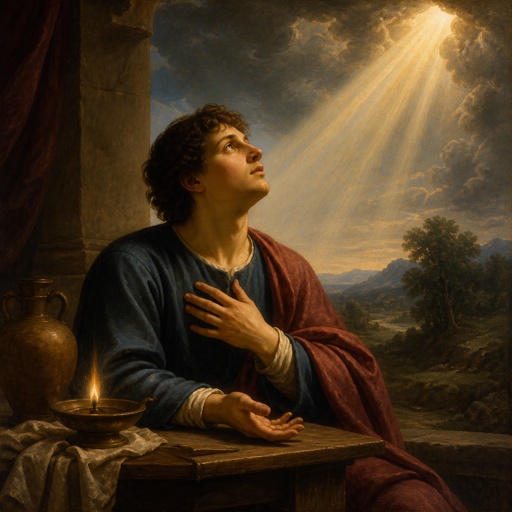
Psalms 119:11

Psalms 119:153 - "Consider mine affliction, and deliver me: for I do not forget thy law."

Psalms 119:174 - "I have longed for thy salvation, O LORD; and thy law is my delight."

Psalms 119:61 - "The bands of the wicked have robbed me: but I have not forgotten thy law."

Psalms 119:32 - "I will run the way of thy commandments, when thou shalt enlarge my heart."

Psalms 119:15

"For ever, O LORD, thy word is settled in heaven." - Psalms 119:89

Psalms 119:176 - "I have gone astray like a lost sheep; seek thy servant; for I do not forget thy commandments."

"Salvation is far from the wicked: for they seek not thy statutes." - Psalms 119:155

Psalms 39:10 - "Remove thy stroke away from me: I am consumed by the blow of thine hand."

Psalms 119:119 - "Thou puttest away all the wicked of the earth like dross: therefore I love thy testimonies."

"I beheld the transgressors, and was grieved; because they kept not thy word." - Psalms 119:158

"Righteous art thou, O LORD, and upright are thy judgments." - Psalms 119:137

Psalms 119:3 - "They also do no iniquity: they walk in his ways."

"Thy testimonies that thou hast commanded are righteous and very faithful." - Psalms 119:138

"Thou hast commanded us to keep thy precepts diligently." - Psalms 119:4

Psalms 119:24 - "Thy testimonies also are my delight and my counsellors."

Psalms 119:36 - "Incline my heart unto thy testimonies, and not to covetousness."

Psalms 119:70 - "Their heart is as fat as grease; but I delight in thy law."

Psalms 119:56 - "This I had, because I kept thy precepts."

Psalms 119:60 - "I made haste, and delayed not to keep thy commandments."

Psalms 119:45 - "And I will walk at liberty: for I seek thy precepts."

"It is time for thee, LORD, to work: for they have made void thy law." - Psalms 119:126

"Thy statutes have been my songs in the house of my pilgrimage." - Psalms 119:54

"The proud have digged pits for me, which are not after thy law." - Psalms 119:85

Psalms 119:103 (KJVA) 103 How sweet are thy words unto my taste! yea, sweeter than honey to my mouth!

"And I will delight myself in thy commandments, which I have loved." - Psalms 119:47