What does Psalms 119:80 mean?
“Let my heart be sound in thy statutes; that I be not ashamed.” — Psalms 119:80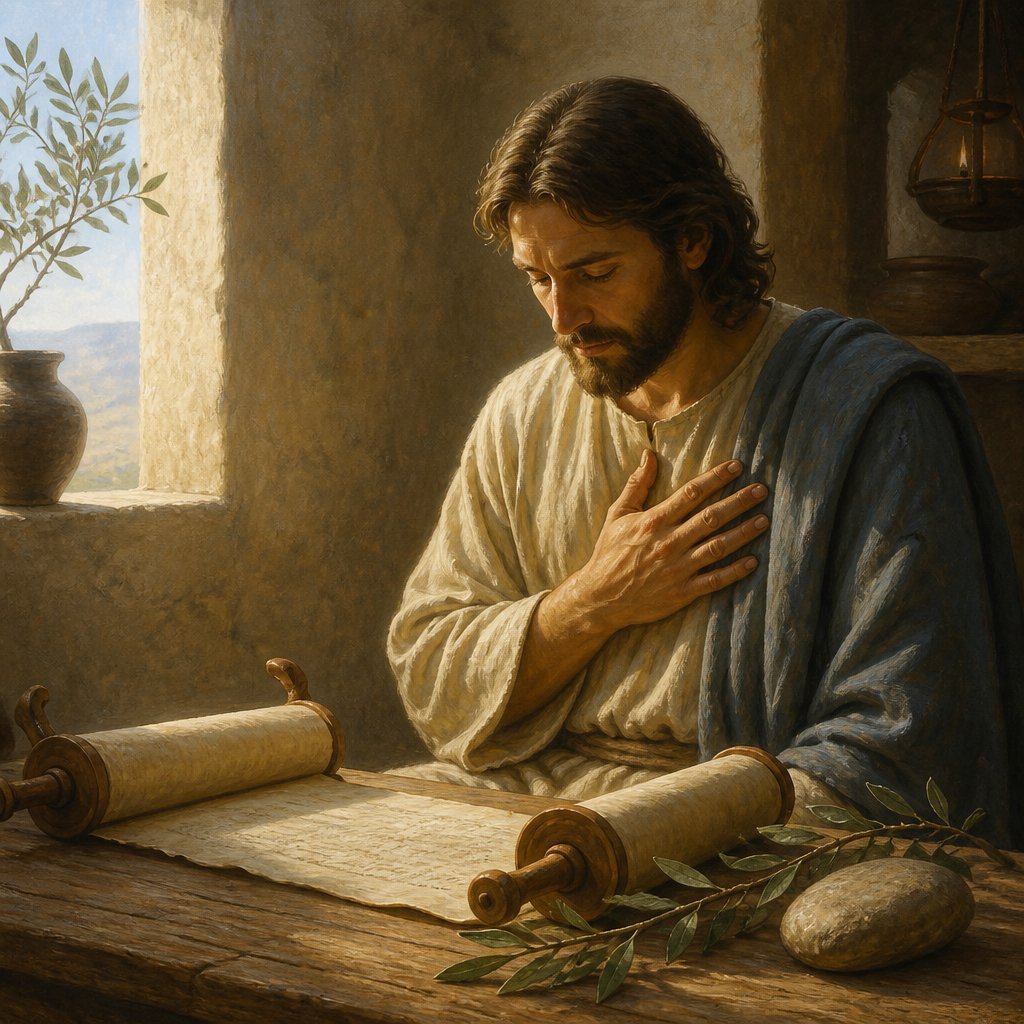
The Bible verse Psalm 119:80 in the King James Version (KJV) states: "Let my heart be sound in thy statutes; that I be not ashamed."
This verse is taken from the longest chapter in the Bible, Psalm 119, which is known for its emphasis on the word of God and the importance of following His commandments. The author of this psalm, traditionally attributed to King David, expresses a deep longing for God's guidance and a sincere desire to live according to His statutes. In this particular verse, the psalmist specifically asks for a sound heart in order to avoid shame in failing to uphold God's laws.
The theme of this verse revolves around the idea of maintaining purity, integrity, and steadfastness in following God's statues. The word "sound" in this context refers to being complete, whole, or in harmony with God's commands. The psalmist is essentially asking for a heart that is fully committed to living in accordance with God's will, free from any impurity or wavering. This reflects the psalmist's desire for a deep and unwavering faith, an attitude of obedience and submission to God's will, and a commitment to pleasing Him in all aspects of life.
The request for a sound heart also echoes the importance of internal purity and righteousness. In the Bible, the heart often symbolizes the innermost being, encompassing thoughts, emotions, and motives. Therefore, the psalmist's plea for a sound heart in God's statutes implies a desire for moral and spiritual integrity, a genuine sincerity, and an unyielding commitment to following God's precepts.
Furthermore, the verse highlights the potential shame and disgrace that may result from failing to live according to God's statutes. In ancient Israelite society, shame was a significant concept that encompassed not only personal embarrassment but also the loss of honor and social status. Consequently, the psalmist's entreaty to be "not ashamed" reflects his concern for maintaining his reputation and preserving his integrity in the eyes of God and others.
It is essential to understand the historical and cultural context of Psalm 119:80 in order to fully grasp its significance. The psalm was likely composed during a period when the Israelites faced various external threats and internal challenges. The psalmist's plea for a sound heart in God's statutes may reflect the uncertainties and struggles prevalent in the society of that time. In the midst of adversity, the psalmist seeks refuge and strength in the steadfastness of God's word, acknowledging that adherence to His statutes is the pathway to security and honor.
On a symbolic level, the verse can be interpreted as a metaphor for spiritual renewal and transformation. The plea for a sound heart signifies a deep longing for inner purity, moral uprightness, and unwavering faith. It conveys the idea of purification and restoration of the soul, leading to a renewed commitment to God's will and a life characterized by righteousness and integrity.
In conclusion, Psalm 119:80 in the King James Version conveys a profound desire for spiritual wholeness, steadfastness, and integrity in following God's statutes. It underscores the importance of internal purity, genuine faith, and unwavering commitment to God's will. The verse also speaks to the potential shame and dishonor that may result from failing to live according to God's commands. Ultimately, it is a heartfelt plea for spiritual restoration and steadfast devotion to God's precepts in the face of life's challenges and uncertainties.
Get our apps


Artwork for Psalms 119:80

Psalms 119:80 - "Let my heart be sound in thy statutes; that I be not ashamed."
"Let my heart be sound in thy statutes; that I be not ashamed." - Psalms 119:80
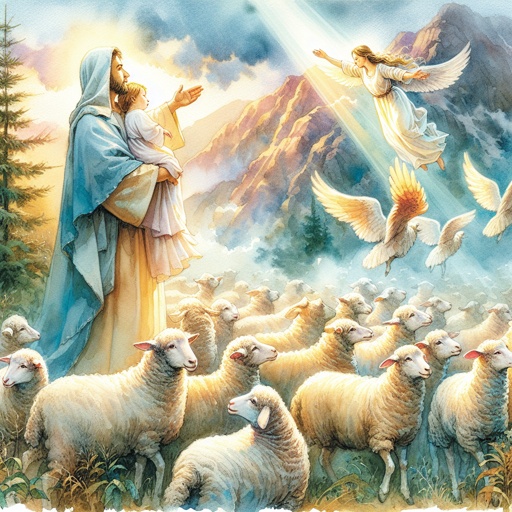
psalm 80:1-7

Psalms 80:6 - "Thou makest us a strife unto our neighbours: and our enemies laugh among themselves."

"It is burned with fire, it is cut down: they perish at the rebuke of thy countenance." - Psalms 80:16

Psalms 80:16 - "It is burned with fire, it is cut down: they perish at the rebuke of thy countenance."
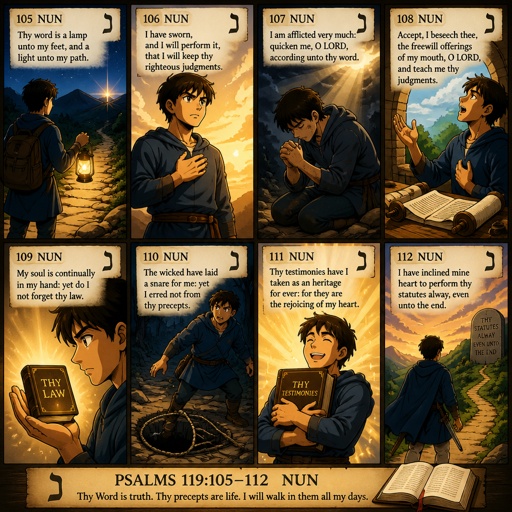
Psalms 119:105 NUN. Thy word is a lamp unto my feet, and a light unto my path. Psalms 119:106 I have sworn, and I will perform it, that I will keep thy righteous judgments. Psalms 119:107 I am afflicted very much: quicken me, O LORD, according unto thy word. Psalms 119:108 Accept, I beseech thee, the freewill offerings of my mouth, O LORD, and teach me thy judgments. Psalms 119:109 My soul is continually in my hand: yet do I not forget thy law. Psalms 119:110 The wicked have laid a snare for me: yet I erred not from thy precepts. Psalms 119:111 Thy testimonies have I taken as an heritage for ever: for they are the rejoicing of my heart. Psalms 119:112 I have inclined mine heart to perform thy statutes alway, even unto the end.

Psalms 80:13 - "The boar out of the wood doth waste it, and the wild beast of the field doth devour it."

Psalms 80:10 - "The hills were covered with the shadow of it, and the boughs thereof were like the goodly cedars."

Psalms 80:11 - "She sent out her boughs unto the sea, and her branches unto the river."
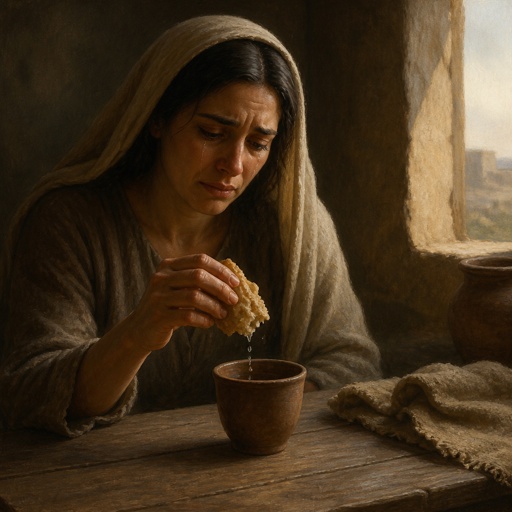
"Thou feedest them with the bread of tears; and givest them tears to drink in great measure." - Psalms 80:5

"She sent out her boughs unto the sea, and her branches unto the river." - Psalms 80:11

Psalms 80:5 - "Thou feedest them with the bread of tears; and givest them tears to drink in great measure."
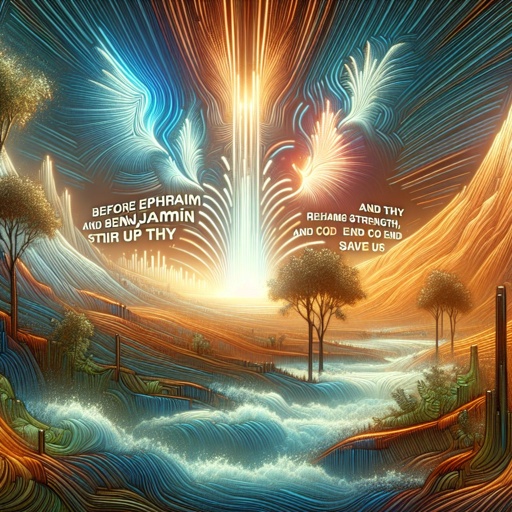
Psalms 80:2 - "Before Ephraim and Benjamin and Manasseh stir up thy strength, and come and save us."
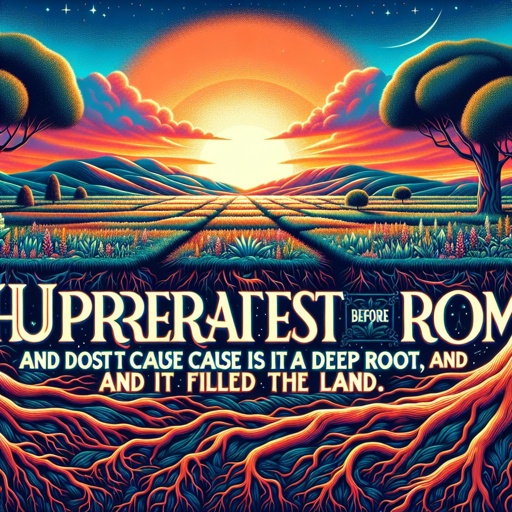
Psalms 80:9 - "Thou preparedst room before it, and didst cause it to take deep root, and it filled the land."

"Before Ephraim and Benjamin and Manasseh stir up thy strength, and come and save us." - Psalms 80:2

Psalms 80:15 - "And the vineyard which thy right hand hath planted, and the branch that thou madest strong for thyself."

Psalms 80:3 - "Turn us again, O God, and cause thy face to shine; and we shall be saved."

Psalms 80:8 - "Thou hast brought a vine out of Egypt: thou hast cast out the heathen, and planted it."

Psalms 80:7 - "Turn us again, O God of hosts, and cause thy face to shine; and we shall be saved."

Psalms 80:4 - "O LORD God of hosts, how long wilt thou be angry against the prayer of thy people?"

Psalms 80:18 - "So will not we go back from thee: quicken us, and we will call upon thy name."
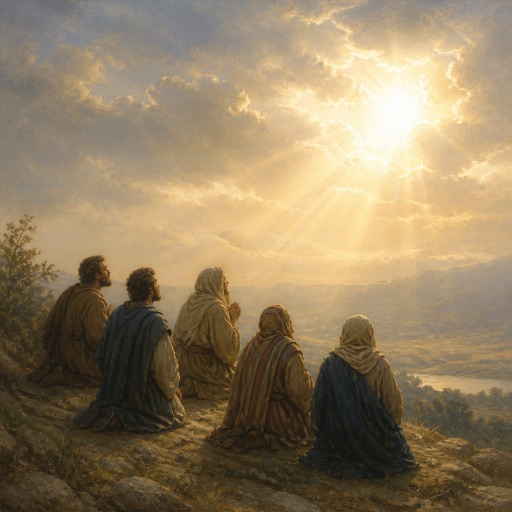
"Turn us again, O God, and cause thy face to shine; and we shall be saved." - Psalms 80:3

Psalms 80:19 - "Turn us again, O LORD God of hosts, cause thy face to shine; and we shall be saved."
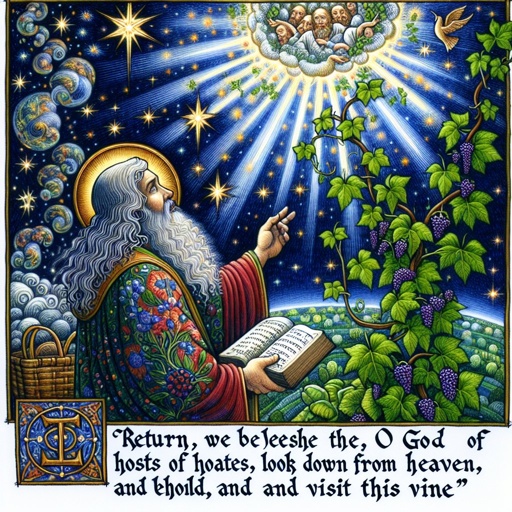
Psalms 80:14 - "Return, we beseech thee, O God of hosts: look down from heaven, and behold, and visit this vine;"
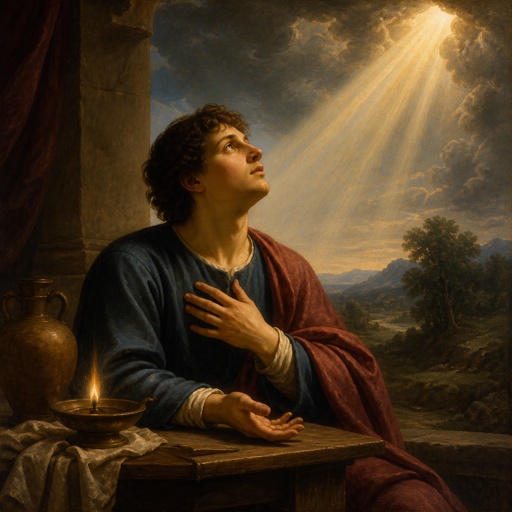
Psalms 119:11

Psalms 119:153 - "Consider mine affliction, and deliver me: for I do not forget thy law."

Psalms 119:174 - "I have longed for thy salvation, O LORD; and thy law is my delight."

Psalms 119:61 - "The bands of the wicked have robbed me: but I have not forgotten thy law."
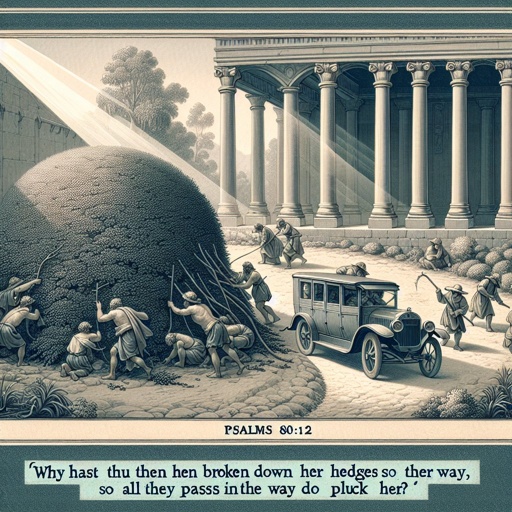
Psalms 80:12 - "Why hast thou then broken down her hedges, so that all they which pass by the way do pluck her?"