What does Psalms 119:83 mean?
“For I am become like a bottle in the smoke; yet do I not forget thy statutes.” — Psalms 119:83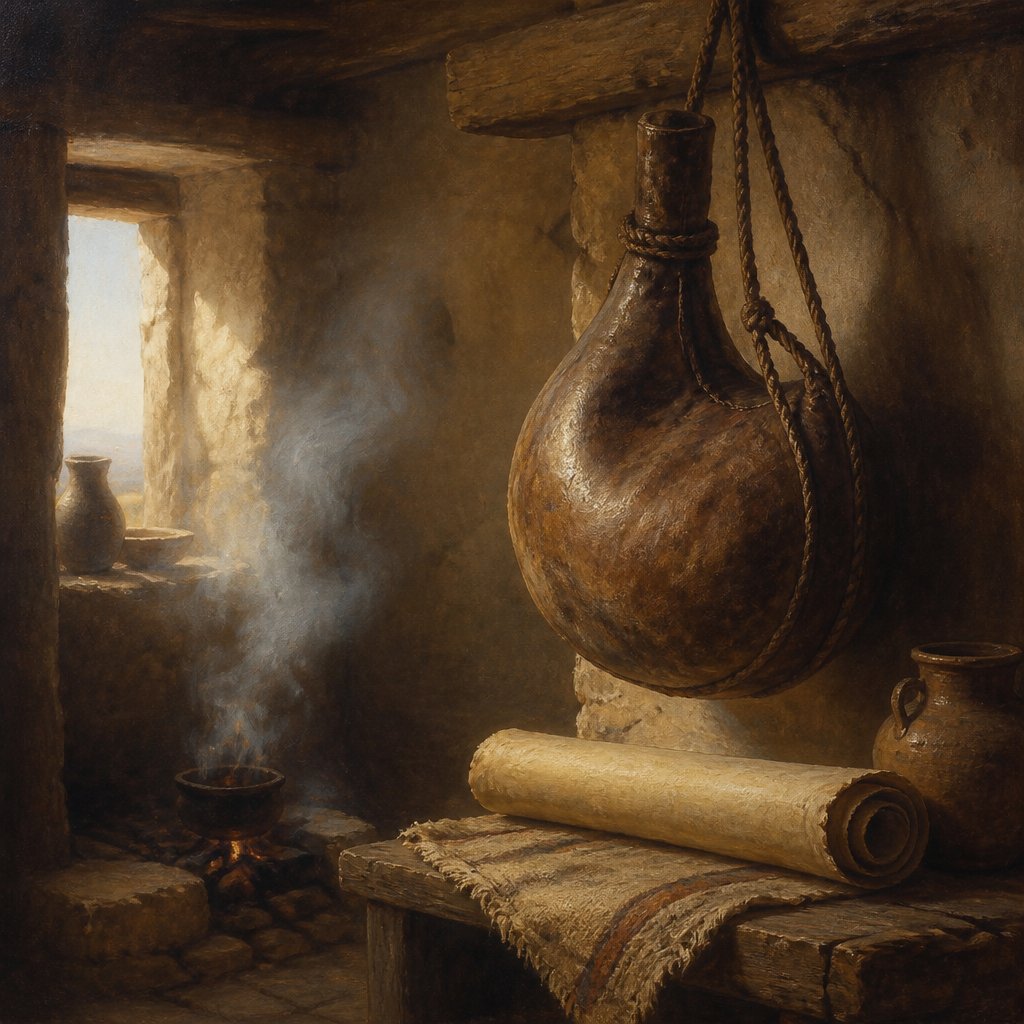
The Bible verse Psalms 119:83 in the King James Version (KJV) reads: "For I am become like a bottle in the smoke; yet do I not forget thy statutes." This verse is a part of Psalm 119, which is the longest chapter in the entire Bible, and it is dedicated to the theme of the beauty and necessity of God's Word. The author of this Psalm is traditionally believed to be King David, and it is written in an acrostic style, with each section beginning with a different letter of the Hebrew alphabet.
In Psalms 119:83, the author uses vivid imagery to express his distress and feelings of being overlooked by God. The phrase "I am become like a bottle in the smoke" describes a situation in which the author feels abandoned and neglected. In biblical times, bottles were made of animal skins, and they were suspended over a fire to hold liquid. When a bottle was left in the smoke for too long, it would become dry and blackened, ultimately losing its usefulness. This metaphor is used to convey the author's feeling of being worn out, dried up, and disregarded.
Despite his distress, the author still declares that he has not forgotten God's statutes. This statement is a testament to his unwavering faith and commitment to God, even in the midst of his suffering. The word "statutes" in this context refers to God's laws and commandments, which are the foundation of the author's faith and the source of his hope.
The overarching theme of this verse is the perseverance of faith in the face of adversity. The author is going through a difficult time, feeling like he is being consumed by the trials and tribulations of life. However, he remains steadfast in his devotion to God, refusing to abandon his faith despite his circumstances. This speaks to the universal human experience of suffering and the struggle to maintain faith and hope in the midst of hardship.
The context of this verse adds depth to its meaning. In the larger context of Psalm 119, the author consistently emphasizes the importance of God's Word in sustaining and guiding him through life's challenges. Throughout the entire chapter, the author praises the virtues and benefits of following God's commandments, seeking God's guidance, and finding comfort in His promises.
The use of the metaphor of a bottle in the smoke also holds greater symbolic significance. Smoke in the Bible often represents trouble, affliction, and judgment. In the Old Testament, smoke from sacrifices and incense symbolized God's presence and His acceptance of offerings. However, smoke can also be a sign of destruction and desolation, such as the smoke from Sodom and Gomorrah, which signifies God's judgment on sin.
In this verse, the bottle in the smoke represents the author's feeling of being overlooked and disregarded in the midst of trouble and affliction. However, despite his distress, the author remains resolute in his commitment to God's statutes, signaling his belief in God's presence in the midst of his suffering.
Overall, Psalms 119:83 is a powerful expression of faith in the midst of adversity. The vivid imagery, unwavering commitment, and profound symbolism in this verse make it a timeless and relatable portrayal of the human experience of suffering and perseverance. It serves as a reminder of the importance of faith and devotion to God's Word, even in the darkest moments of life.
Get our apps


Artwork for Psalms 119:83

Psalms 119:83 - "For I am become like a bottle in the smoke; yet do I not forget thy statutes."
"For I am become like a bottle in the smoke; yet do I not forget thy statutes." - Psalms 119:83

"Gebal, and Ammon, and Amalek; the Philistines with the inhabitants of Tyre;" - Psalms 83:7

"As the fire burneth a wood, and as the flame setteth the mountains on fire;" - Psalms 83:14

Psalms 83:7 - "Gebal, and Ammon, and Amalek; the Philistines with the inhabitants of Tyre;"

Psalms 83:6 - "The tabernacles of Edom, and the Ishmaelites; of Moab, and the Hagarenes;"

Psalms 83:10 - "Which perished at En-dor: they became as dung for the earth."

Psalms 83:5 - "For they have consulted together with one consent: they are confederate against thee:"

Psalms 83:14 - "As the fire burneth a wood, and as the flame setteth the mountains on fire;"
Psalms 83:8 - "Assur also is joined with them: they have holpen the children of Lot. Selah."

"Do unto them as unto the Midianites; as to Sisera, as to Jabin, at the brook of Kison:" - Psalms 83:9

Psalms 83:13 - "O my God, make them like a wheel; as the stubble before the wind."

Psalms 83:11 - "Make their nobles like Oreb, and like Zeeb: yea, all their princes as Zebah, and as Zalmunna:"
Psalms 83:16 - "Fill their faces with shame; that they may seek thy name, O LORD."

Psalms 83:9 - "Do unto them as unto the Midianites; as to Sisera, as to Jabin, at the brook of Kison:"

Psalms 83:12 - "Who said, Let us take to ourselves the houses of God in possession."

Psalms 83:17 - "Let them be confounded and troubled for ever; yea, let them be put to shame, and perish:"

"O my God, make them like a wheel; as the stubble before the wind." - Psalms 83:13

"The tabernacles of Edom, and the Ishmaelites; of Moab, and the Hagarenes;" - Psalms 83:6

Psalms 83:15 - "So persecute them with thy tempest, and make them afraid with thy storm."
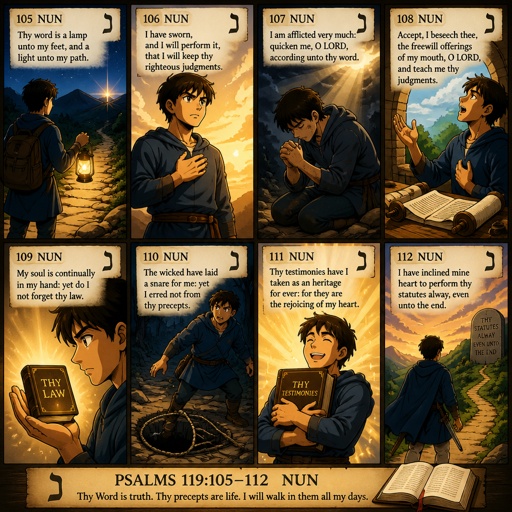
Psalms 119:105 NUN. Thy word is a lamp unto my feet, and a light unto my path. Psalms 119:106 I have sworn, and I will perform it, that I will keep thy righteous judgments. Psalms 119:107 I am afflicted very much: quicken me, O LORD, according unto thy word. Psalms 119:108 Accept, I beseech thee, the freewill offerings of my mouth, O LORD, and teach me thy judgments. Psalms 119:109 My soul is continually in my hand: yet do I not forget thy law. Psalms 119:110 The wicked have laid a snare for me: yet I erred not from thy precepts. Psalms 119:111 Thy testimonies have I taken as an heritage for ever: for they are the rejoicing of my heart. Psalms 119:112 I have inclined mine heart to perform thy statutes alway, even unto the end.

Psalms 83:3 - "They have taken crafty counsel against thy people, and consulted against thy hidden ones."

"Make their nobles like Oreb, and like Zeeb: yea, all their princes as Zebah, and as Zalmunna:" - Psalms 83:11

Psalms 83:1 - "Keep not thou silence, O God: hold not thy peace, and be not still, O God."

"Keep not thou silence, O God: hold not thy peace, and be not still, O God." - Psalms 83:1

Psalms 83:18 - "That men may know that thou, whose name alone is JEHOVAH, art the most high over all the earth."
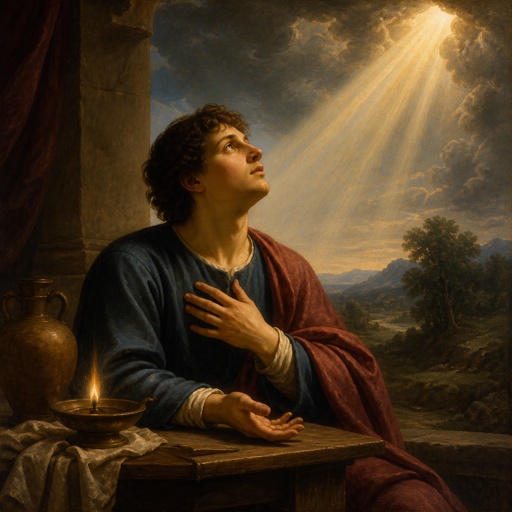
Psalms 119:11

Psalms 119:153 - "Consider mine affliction, and deliver me: for I do not forget thy law."

Psalms 119:174 - "I have longed for thy salvation, O LORD; and thy law is my delight."

Psalms 119:61 - "The bands of the wicked have robbed me: but I have not forgotten thy law."