What does Psalms 120:1 mean?
“In my distress I cried unto the LORD, and he heard me.” — Psalms 120:1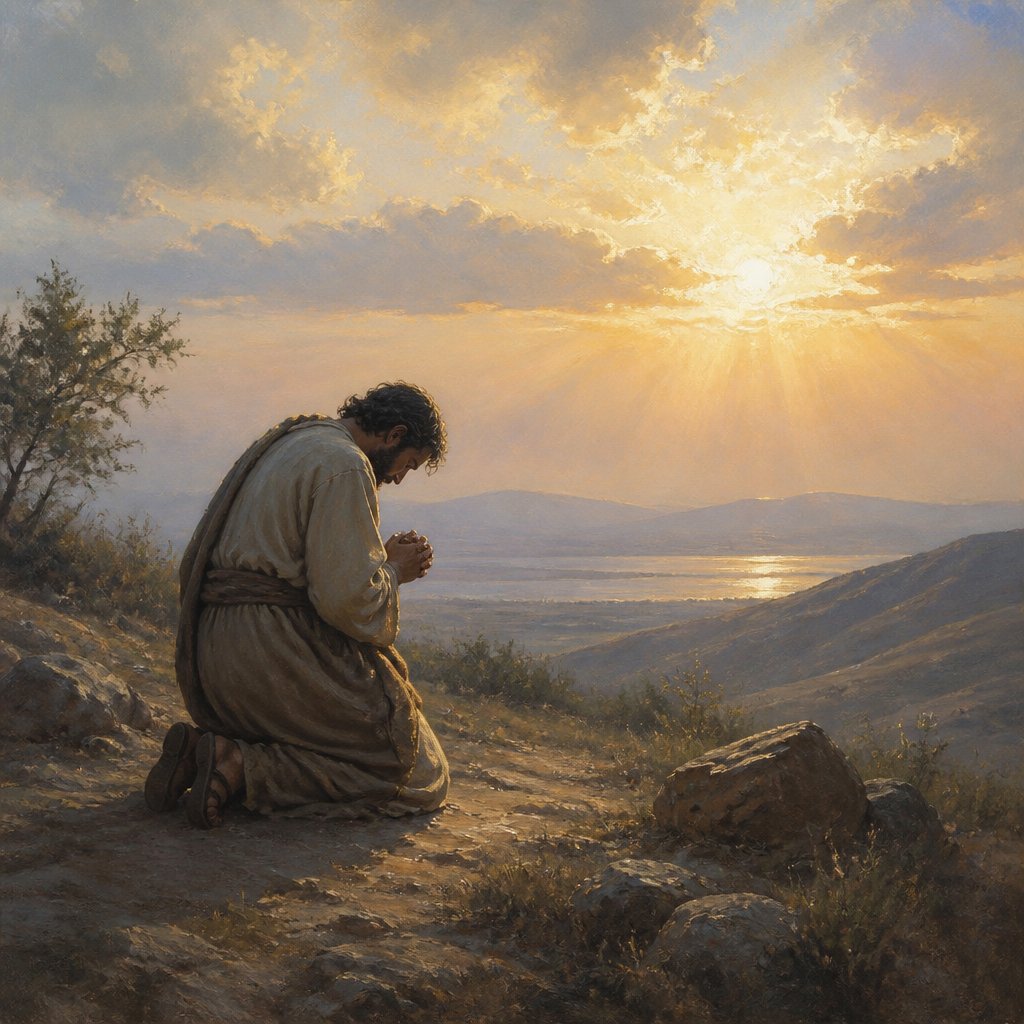
Psalms 120:1 (KJV) states, "In my distress I cried unto the Lord, and he heard me." This verse captures a universal human experience: the feeling of desperation and crying out for help in times of distress. The Psalmist expresses a deep sense of helplessness and the need for divine intervention. This verse is part of a collection of songs and prayers known as the Psalms, attributed to King David and other authors, which are found in the Old Testament of the Bible. The Psalms cover a wide range of emotions and experiences, including joy, praise, sorrow, and lament.
The theme of distress and deliverance is a prominent one throughout the Psalms. In this particular verse, the Psalmist is crying out to God in the midst of his distress, a sentiment that many can relate to. It reflects the human experience of struggling with difficult circumstances and feeling the need to turn to a higher power for help. The verse also demonstrates a profound trust in God's ability to hear and respond to the cries of his people. This theme of trust in the midst of distress is a central theme throughout the Psalms and serves as a source of comfort and encouragement for believers.
The context of this verse is crucial to understanding its full meaning and significance. Within the broader context of the Psalms, this verse is situated within a collection of songs and prayers that express a wide range of emotions and experiences. Many of the Psalms were written during times of trial and hardship, including wars, exiles, and personal afflictions. In Psalms 120, the Psalmist expresses a sense of alienation and distress, as well as a desire for peace.
In addition, the historical context of the Psalms is important to consider. The Old Testament provides a narrative of the history of the Israelites, including their journey from slavery in Egypt to the promised land, as well as their experiences under various rulers and kings. Thus, the Psalms reflect the experiences and emotions of the people of Israel throughout their history, and their relationship with God during times of triumph and struggle.
The symbolism in Psalms 120:1 lies in the imagery of crying out to the Lord in distress. This act symbolizes the human condition of vulnerability and the need for divine help. The image of crying out conveys a sense of desperation and urgency, as well as a deep longing for relief and deliverance. It also reflects a profound sense of humility and dependence on God in times of trouble. The motif of God hearing and responding to the cries of his people symbolizes his compassion, mercy, and faithfulness to those who call upon him.
Overall, Psalms 120:1 is a powerful expression of the human experience of distress and the deep-seated trust in God's ability to hear and respond to the cries of his people. The verse resonates with believers who have experienced hardship and serves as a source of comfort and hope. It also reflects the broader themes of trust, deliverance, and the enduring relationship between God and his people as depicted throughout the Psalms.
Get our apps


Artwork for Psalms 120:1

Psalms 120:1 - "In my distress I cried unto the LORD, and he heard me."
"In my distress I cried unto the LORD, and he heard me." - Psalms 120:1

Psalms 120:4 - "Sharp arrows of the mighty, with coals of juniper."

Psalms 120:7 - "I am for peace: but when I speak, they are for war."
Psalms 120:6 - "My soul hath long dwelt with him that hateth peace."

"My soul hath long dwelt with him that hateth peace." - Psalms 120:6
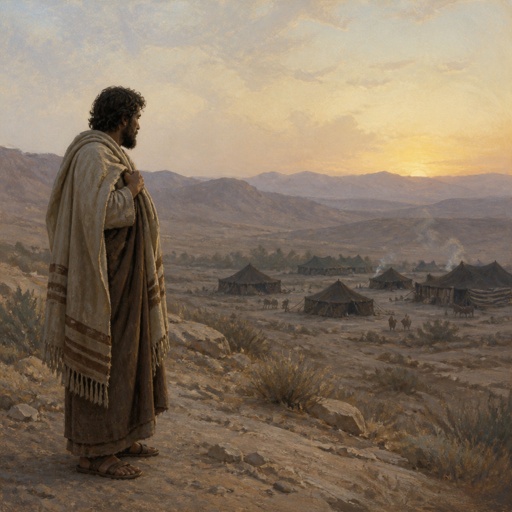
"Woe is me, that I sojourn in Mesech, that I dwell in the tents of Kedar!" - Psalms 120:5

Psalms 120:5 - "Woe is me, that I sojourn in Mesech, that I dwell in the tents of Kedar!"

Psalms 120:2 - "Deliver my soul, O LORD, from lying lips, and from a deceitful tongue."
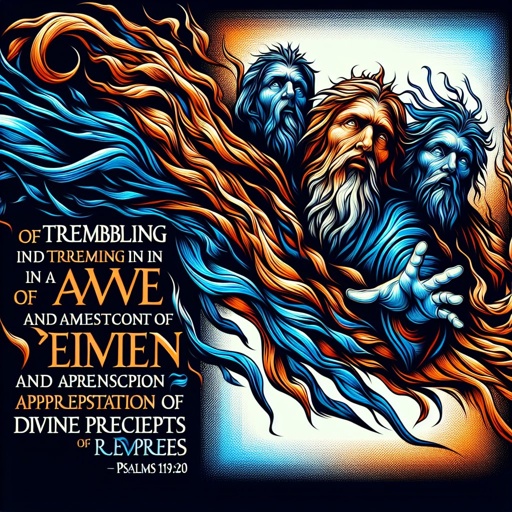
Psalms 119:120 - "My flesh trembleth for fear of thee; and I am afraid of thy judgments."
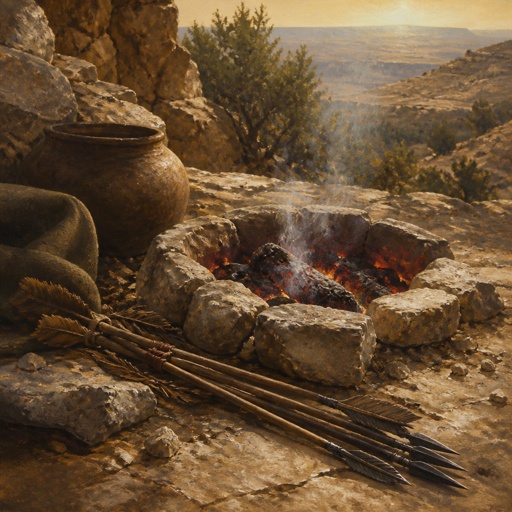
"Sharp arrows of the mighty, with coals of juniper." - Psalms 120:4

Psalms 120:3 - "What shall be given unto thee? or what shall be done unto thee, thou false tongue?"

"I am for peace: but when I speak, they are for war." - Psalms 120:7
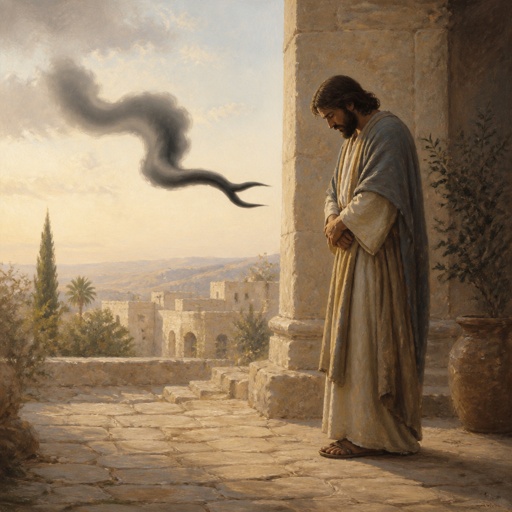
"What shall be given unto thee? or what shall be done unto thee, thou false tongue?" - Psalms 120:3
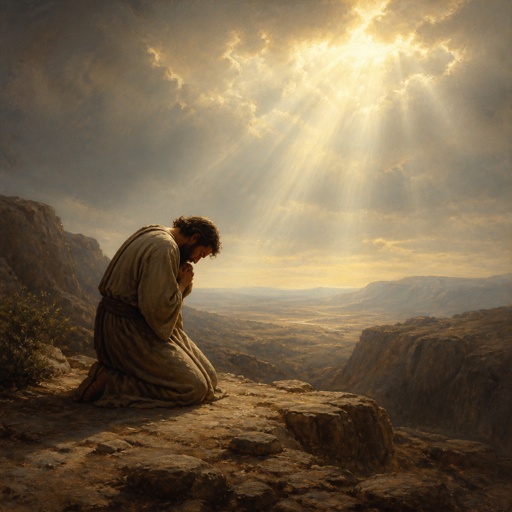
"My flesh trembleth for fear of thee; and I am afraid of thy judgments." - Psalms 119:120
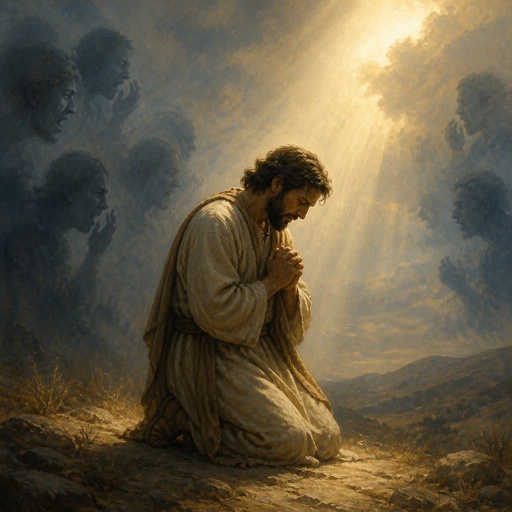
"Deliver my soul, O LORD, from lying lips, and from a deceitful tongue." - Psalms 120:2

Psalms 128:1 - "Blessed is every one that feareth the LORD; that walketh in his ways."

Psalms 122:1 - "I was glad when they said unto me, Let us go into the house of the LORD."
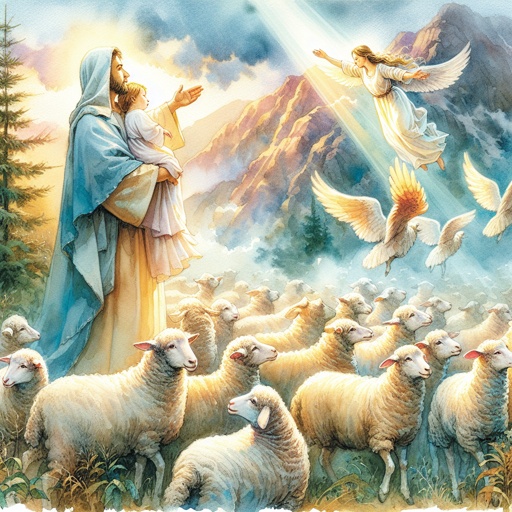
psalm 80:1-7

Psalms 15:1 (KJVA) 1 A Psalm of David. LORD, who shall abide in thy tabernacle? who shall dwell in thy holy hill?

Psalms 15:1 (KJVA) 1 A Psalm of David. LORD, who shall abide in thy tabernacle? who shall dwell in thy holy hill?

Psalms 64:1 - "Hear my voice, O God, in my prayer: preserve my life from fear of the enemy."

Psalms 14:1 (KJVA) 1 To the chief Musician, A Psalm of David. The fool hath said in his heart, There is no God. They are corrupt, they have done abominable works, there is none that doeth good.

Psalms 14:1 (KJVA) 1 To the chief Musician, A Psalm of David. The fool hath said in his heart, There is no God. They are corrupt, they have done abominable works, there is none that doeth good.

Psalms 14:1 (KJVA) 1 To the chief Musician, A Psalm of David. The fool hath said in his heart, There is no God. They are corrupt, they have done abominable works, there is none that doeth good.

Psalms 14:1 (KJVA) 1 To the chief Musician, A Psalm of David. The fool hath said in his heart, There is no God. They are corrupt, they have done abominable works, there is none that doeth good.

Psalms 14:1 (KJVA) 1 To the chief Musician, A Psalm of David. The fool hath said in his heart, There is no God. They are corrupt, they have done abominable works, there is none that doeth good.

Psalms 14:1 (KJVA) 1 To the chief Musician, A Psalm of David. The fool hath said in his heart, There is no God. They are corrupt, they have done abominable works, there is none that doeth good.

Psalms 14:1 (KJVA) 1 To the chief Musician, A Psalm of David. The fool hath said in his heart, There is no God. They are corrupt, they have done abominable works, there is none that doeth good.

Psalms 14:1 (KJVA) 1 To the chief Musician, A Psalm of David. The fool hath said in his heart, There is no God. They are corrupt, they have done abominable works, there is none that doeth good.