What does Psalms 122:8 mean?
“For my brethren and companions’ sakes, I will now say, Peace be within thee.” — Psalms 122:8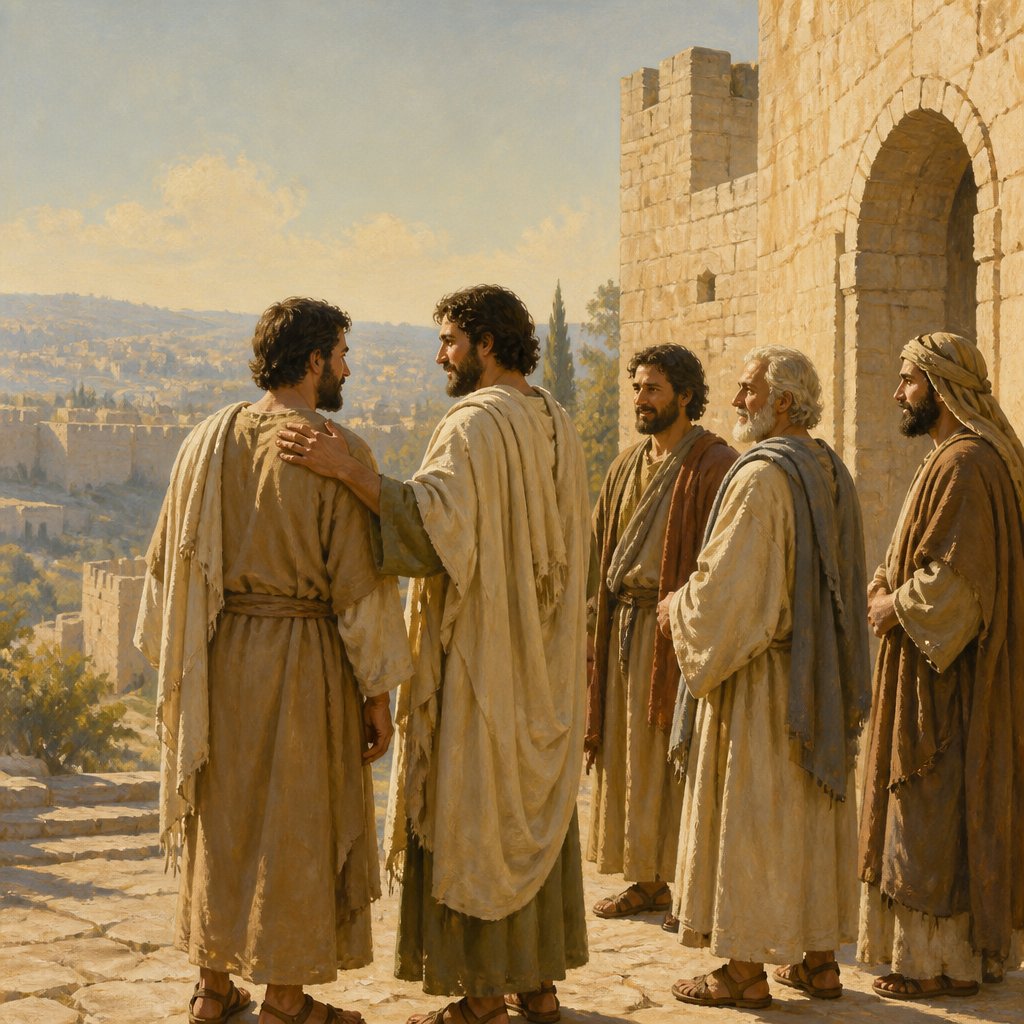
The verse Psalms 122:8 in the King James Version of the Bible reads: "For my brethren and companions' sakes, I will now say, Peace be within thee." This verse is a part of the larger Psalm 122, which is a song of ascents. The song is believed to have been sung by Jewish pilgrims as they ascended the road to Jerusalem, particularly on the occasion of the three great festivals.
In this verse, the psalmist expresses a desire for peace within the city of Jerusalem. The speaker's heart is filled with love and concern for the well-being of his brothers and companions who reside in the city. The use of the phrase "Peace be within thee" indicates that the speaker wishes for both inner tranquility and outward harmony to prevail within the community.
The theme of peace is a central focus of this verse and the entire Psalm 122. The desire for peace and the recognition of its importance within a community is a timeless and universal theme that resonates with people from all walks of life. Peace is a foundational concept in many religious traditions and is often associated with divine blessing and harmonious relationships among individuals. In this verse, the psalmist is expressing a deep longing for the well-being and prosperity of his fellow citizens, reflecting a sense of social responsibility and concern for others.
The context of this verse is also important to consider. The city of Jerusalem held great significance for the people of Israel and was a symbol of unity and the presence of God. As the capital of Israel and the site of the temple, Jerusalem was a focal point for religious observance and pilgrimage. The psalmist's desire for peace within the city can be viewed as a plea for the preservation of the spiritual and communal significance of Jerusalem.
The symbolism in this verse is rich and multi-layered. The city of Jerusalem itself is a symbol of divine presence and the unity of God's people. The peace that the psalmist wishes to see within the city is reflective of the peace that comes from a sense of spiritual wholeness and harmony. In a broader sense, the verse can be seen as a call for peace and reconciliation in all communities, reflecting the universal human desire for a world free from conflict and division.
In addition, the verse can also be interpreted as a call to action. The psalmist's declaration of "Peace be within thee" can serve as an inspiration for individuals to actively work towards cultivating peace within their own communities. It encourages people to strive for harmonious relationships, to seek reconciliation and understanding in times of conflict, and to uphold the value of unity and compassion.
Overall, Psalms 122:8 is a powerful and timeless expression of the universal longing for peace and prosperity within communities. It encapsulates the themes of social responsibility, spiritual significance, and the universal human desire for harmony. As a verse within the larger Psalm 122, it serves as a reminder of the enduring value of peace and the importance of working towards peace within our communities and the world at large.
Get our apps


Artwork for Psalms 122:8

Psalms 122:8 - "For my brethren and companions' sakes, I will now say, Peace be within thee."
"For my brethren and companions' sakes, I will now say, Peace be within thee." - Psalms 122:8

Psalms 122:1 - "I was glad when they said unto me, Let us go into the house of the LORD."

Psalms 122:3 - "Jerusalem is builded as a city that is compact together:"

"Pray for the peace of Jerusalem: they shall prosper that love thee." - Psalms 122:6

Psalms 122:5 - "For there are set thrones of judgment, the thrones of the house of David."

Psalms 122:6 - "Pray for the peace of Jerusalem: they shall prosper that love thee."

Psalms 122:7 - "Peace be within thy walls, and prosperity within thy palaces."

Psalms 119:122 - "Be surety for thy servant for good: let not the proud oppress me."
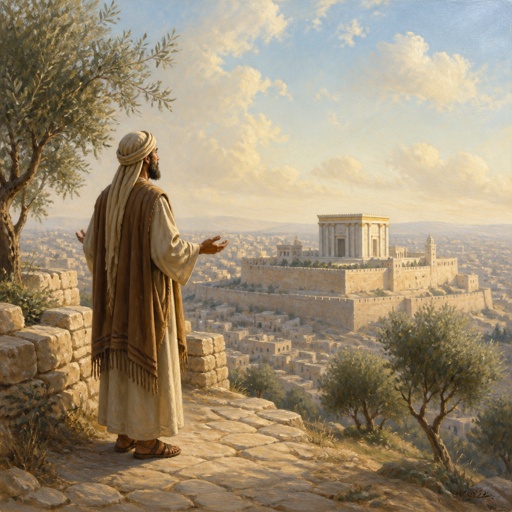
"Because of the house of the LORD our God I will seek thy good." - Psalms 122:9

Psalms 122:2 - "Our feet shall stand within thy gates, O Jerusalem."

Psalms 122:9 - "Because of the house of the LORD our God I will seek thy good."
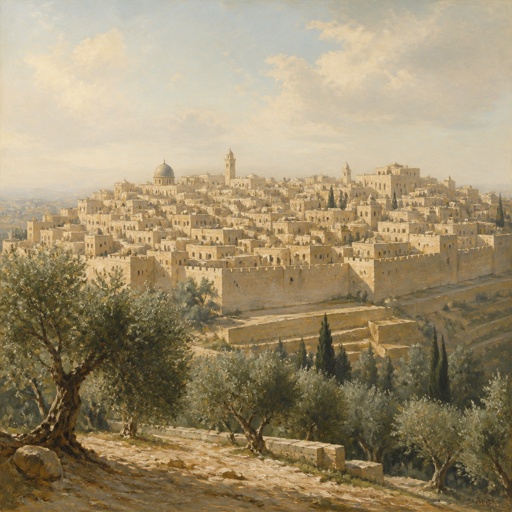
"Jerusalem is builded as a city that is compact together:" - Psalms 122:3
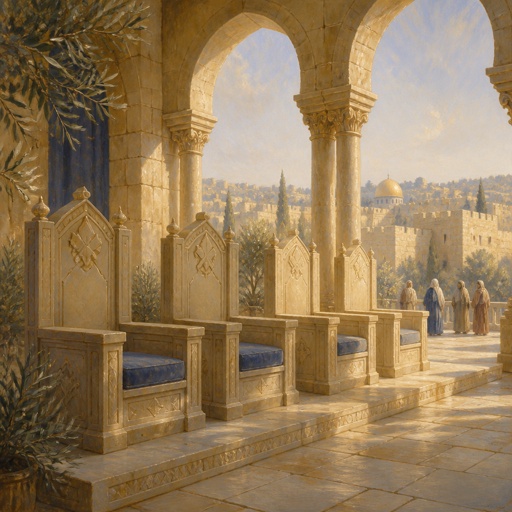
"For there are set thrones of judgment, the thrones of the house of David." - Psalms 122:5

Psalms 122:4 - "Whither the tribes go up, the tribes of the LORD, unto the testimony of Israel, to give thanks unto the name of the LORD."

"Peace be within thy walls, and prosperity within thy palaces." - Psalms 122:7
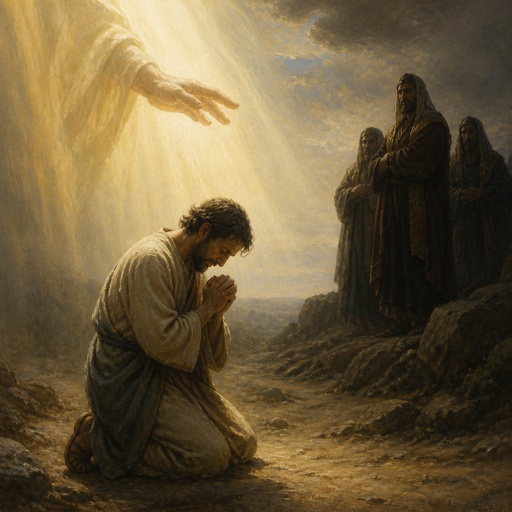
"Be surety for thy servant for good: let not the proud oppress me." - Psalms 119:122
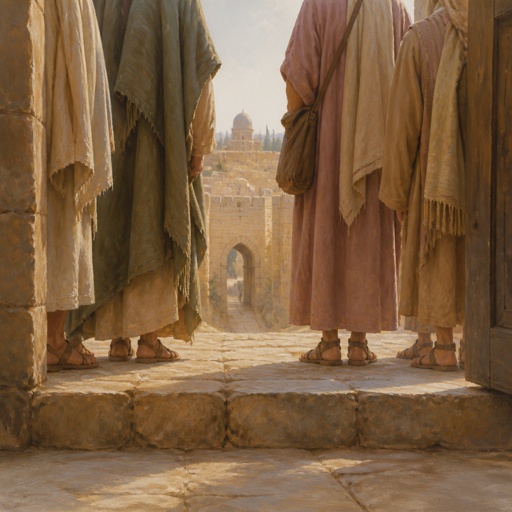
"Our feet shall stand within thy gates, O Jerusalem." - Psalms 122:2
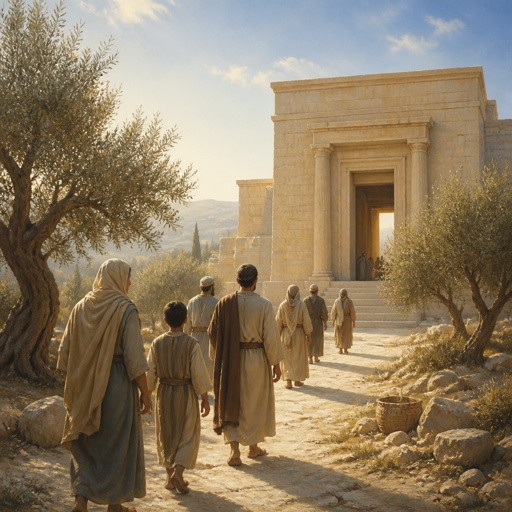
"I was glad when they said unto me, Let us go into the house of the LORD." - Psalms 122:1
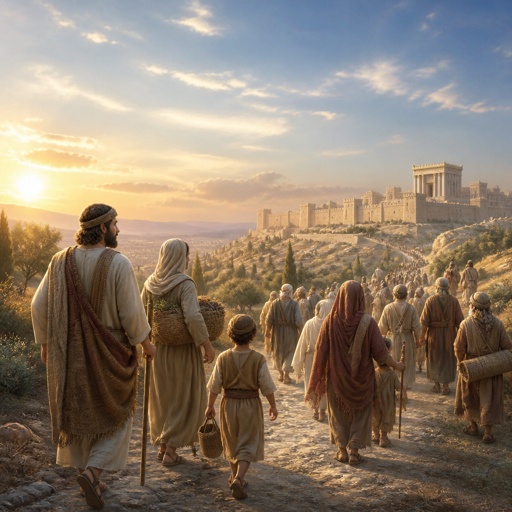
"Whither the tribes go up, the tribes of the LORD, unto the testimony of Israel, to give thanks unto the name of the LORD." - Psalms 122:4

Psalms 49:8 - "(For the redemption of their soul is precious, and it ceaseth for ever:)"

"All sheep and oxen, yea, and the beasts of the field;" - Psalms 8:7

"To bind their kings with chains, and their nobles with fetters of iron;" - Psalms 149:8

"But thou, LORD, art most high for evermore." - Psalms 92:8

Psalms 78:8 - "And might not be as their fathers, a stubborn and rebellious generation; a generation that set not their heart aright, and whose spirit was not stedfast with God."

"They are brought down and fallen: but we are risen, and stand upright." - Psalms 20:8

"Let the floods clap their hands: let the hills be joyful together" - Psalms 98:8

"They are corrupt, and speak wickedly concerning oppression: they speak loftily." - Psalms 73:8

"Our help is in the name of the LORD, who made heaven and earth." - Psalms 124:8

"The LORD is their strength, and he is the saving strength of his anointed." - Psalms 28:8