What does Psalms 125:1 mean?
“They that trust in the LORD shall be as mount Zion, which cannot be removed, but abideth for ever.” — Psalms 125:1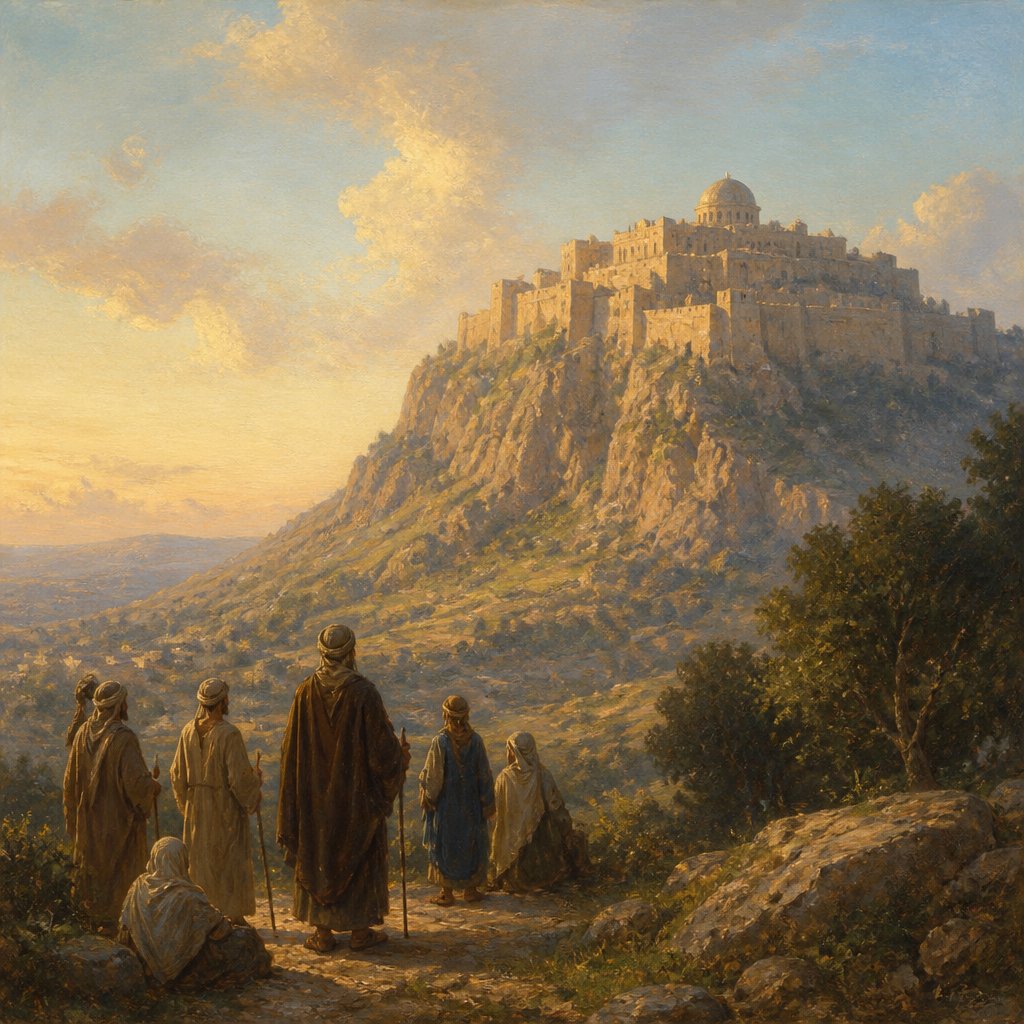
"Psalms 125:1 (KJV) - They that trust in the LORD shall be as mount Zion, which cannot be removed, but abideth for ever."
This powerful verse from the Book of Psalms encapsulates a profound and timeless message about the unwavering strength and security that come from placing one's trust in God. The verse draws a parallel between those who have faith in the Lord and Mount Zion, portraying them as unshakeable and enduring, much like the ancient hill in Jerusalem that has stood for centuries.
The theme of trust and faith in God is one that resonates throughout the Bible, and it is particularly prevalent in the Book of Psalms. The psalmist frequently speaks of the benefits and blessings that come from trusting in the Lord, and this verse is a perfect example of that. By likening those who trust in the Lord to Mount Zion, the psalmist emphasizes the firm and unyielding nature of their faith, as well as the enduring security and protection that come from it.
The context of this verse is important for understanding its significance. The Book of Psalms is a collection of songs and poems that express a wide range of emotions, from joy and praise to lament and sorrow. Throughout the book, the psalmist grapples with the challenges and triumphs of life, always turning to God as the ultimate source of strength and comfort. In Psalms 125, the psalmist specifically focuses on the security and stability that come from trusting in the Lord, and this verse serves as a powerful declaration of that truth.
The symbolism in this verse is rich and evocative. Mount Zion, as a physical landmark, is a symbol of strength, stability, and endurance. It represents the unyielding and unshakeable nature of God's presence and promises. By likening those who trust in the Lord to Mount Zion, the psalmist is using this powerful symbol to convey the idea that faith in God provides a firm and unchanging foundation in the midst of life's uncertainties and trials.
The image of Mount Zion also carries historical and spiritual significance. In the Old Testament, Mount Zion was the site of the ancient city of David and the location of the Temple in Jerusalem. It was a place of great importance in the religious and cultural life of ancient Israel, and it was often associated with God's presence and protection. By invoking this symbol, the psalmist is drawing on this rich history to further emphasize the enduring and unshakable nature of those who trust in the Lord.
In addition to its historical and spiritual significance, the symbolism of Mount Zion also points to the idea of elevation and exaltation. As the highest point in ancient Jerusalem, Mount Zion was a symbol of strength and prominence. In the same way, those who trust in the Lord are lifted up and exalted by their faith, finding a place of security and strength in God's presence.
In conclusion, Psalms 125:1 (KJV) is a verse that speaks to the timeless truth of the strength and security that come from trusting in the Lord. By using the powerful symbol of Mount Zion, the psalmist conveys the unshakeable nature of those who place their faith in God, as well as the enduring protection and exaltation that come from it. This verse serves as a reminder of the unwavering strength and security that can be found in God, regardless of the challenges and uncertainties of life. It is a timeless message of hope and encouragement for all who seek to trust in the Lord.
Get our apps


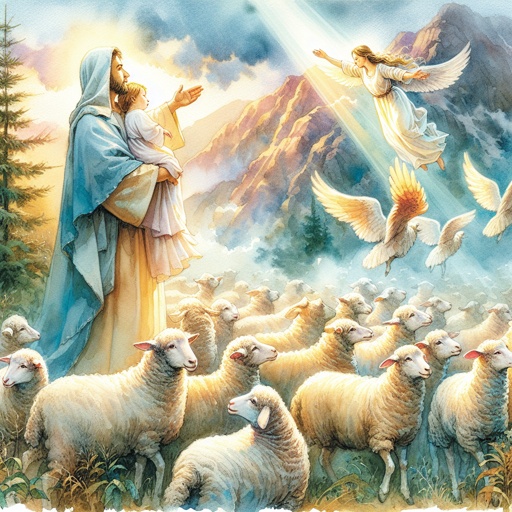
Artwork for Psalms 125:1

Psalms 125:1 - "They that trust in the LORD shall be as mount Zion, which cannot be removed, but abideth for ever."
"They that trust in the LORD shall be as mount Zion, which cannot be removed, but abideth for ever." - Psalms 125:1

Psalms 125:2 - "As the mountains are round about Jerusalem, so the LORD is round about his people from henceforth even for ever."
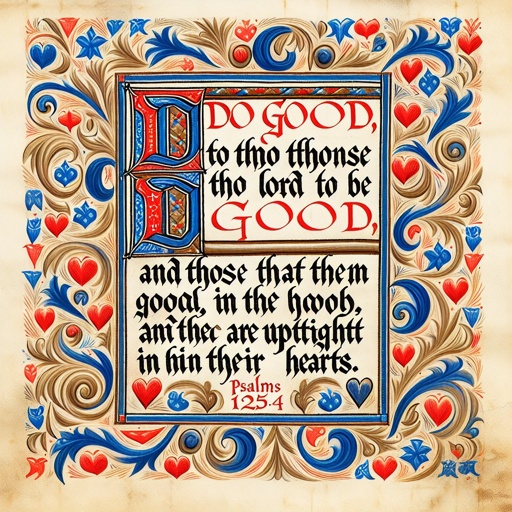
Psalms 125:4 - "Do good, O LORD, unto those that be good, and to them that are upright in their hearts."

Psalms 125:3 - "For the rod of the wicked shall not rest upon the lot of the righteous; lest the righteous put forth their hands unto iniquity."

Psalms 119:125 - "I am thy servant; give me understanding, that I may know thy testimonies."

Psalms 125:5 - "As for such as turn aside unto their crooked ways, the LORD shall lead them forth with the workers of iniquity: but peace shall be upon Israel."
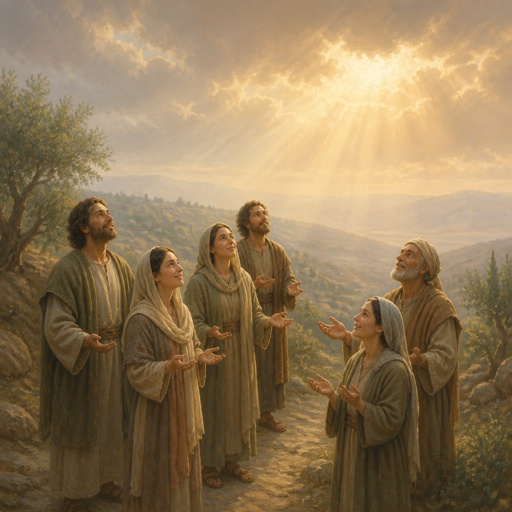
"Do good, O LORD, unto those that be good, and to them that are upright in their hearts." - Psalms 125:4
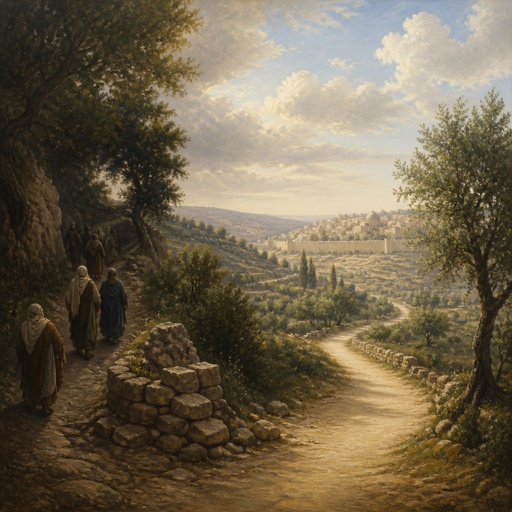
"As for such as turn aside unto their crooked ways, the LORD shall lead them forth with the workers of iniquity: but peace shall be upon Israel." - Psalms 125:5
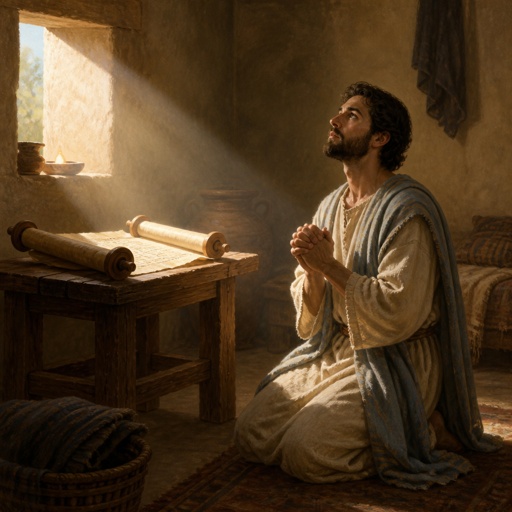
"I am thy servant; give me understanding, that I may know thy testimonies." - Psalms 119:125
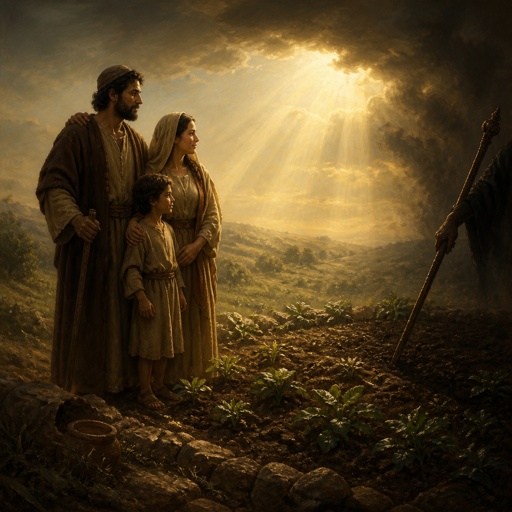
"For the rod of the wicked shall not rest upon the lot of the righteous; lest the righteous put forth their hands unto iniquity." - Psalms 125:3
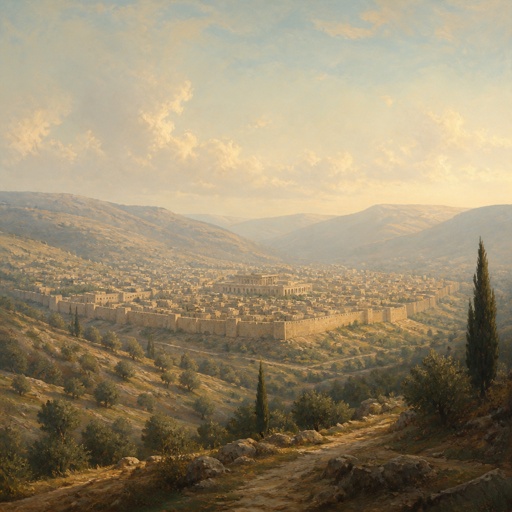
"As the mountains are round about Jerusalem, so the LORD is round about his people from henceforth even for ever." - Psalms 125:2

Psalms 128:1 - "Blessed is every one that feareth the LORD; that walketh in his ways."

Psalms 122:1 - "I was glad when they said unto me, Let us go into the house of the LORD."
psalm 80:1-7

Psalms 15:1 (KJVA) 1 A Psalm of David. LORD, who shall abide in thy tabernacle? who shall dwell in thy holy hill?

Psalms 15:1 (KJVA) 1 A Psalm of David. LORD, who shall abide in thy tabernacle? who shall dwell in thy holy hill?

Psalms 64:1 - "Hear my voice, O God, in my prayer: preserve my life from fear of the enemy."

Psalms 14:1 (KJVA) 1 To the chief Musician, A Psalm of David. The fool hath said in his heart, There is no God. They are corrupt, they have done abominable works, there is none that doeth good.

Psalms 14:1 (KJVA) 1 To the chief Musician, A Psalm of David. The fool hath said in his heart, There is no God. They are corrupt, they have done abominable works, there is none that doeth good.

Psalms 14:1 (KJVA) 1 To the chief Musician, A Psalm of David. The fool hath said in his heart, There is no God. They are corrupt, they have done abominable works, there is none that doeth good.

Psalms 14:1 (KJVA) 1 To the chief Musician, A Psalm of David. The fool hath said in his heart, There is no God. They are corrupt, they have done abominable works, there is none that doeth good.

Psalms 14:1 (KJVA) 1 To the chief Musician, A Psalm of David. The fool hath said in his heart, There is no God. They are corrupt, they have done abominable works, there is none that doeth good.

Psalms 14:1 (KJVA) 1 To the chief Musician, A Psalm of David. The fool hath said in his heart, There is no God. They are corrupt, they have done abominable works, there is none that doeth good.

Psalms 14:1 (KJVA) 1 To the chief Musician, A Psalm of David. The fool hath said in his heart, There is no God. They are corrupt, they have done abominable works, there is none that doeth good.

Psalms 14:1 (KJVA) 1 To the chief Musician, A Psalm of David. The fool hath said in his heart, There is no God. They are corrupt, they have done abominable works, there is none that doeth good.

"The LORD is my shepherd; I shall not want." - Psalms 23:1

Psalms 55:1 - "Give ear to my prayer, O God; and hide not thyself from my supplication."

Psalms 1:1

Psalms 14:1 (Brenton) 1 For the end, Psalm of David. The fool has said in his heart, There is no God. They have corrupted themselves, and become abominable in their devices; there is none that does goodness, there is not even so much as one.