What does Psalms 128:2 mean?
"For thou shalt eat the labour of thine hands: happy shalt thou be, and it shall be well with thee." - Psalms 128:2
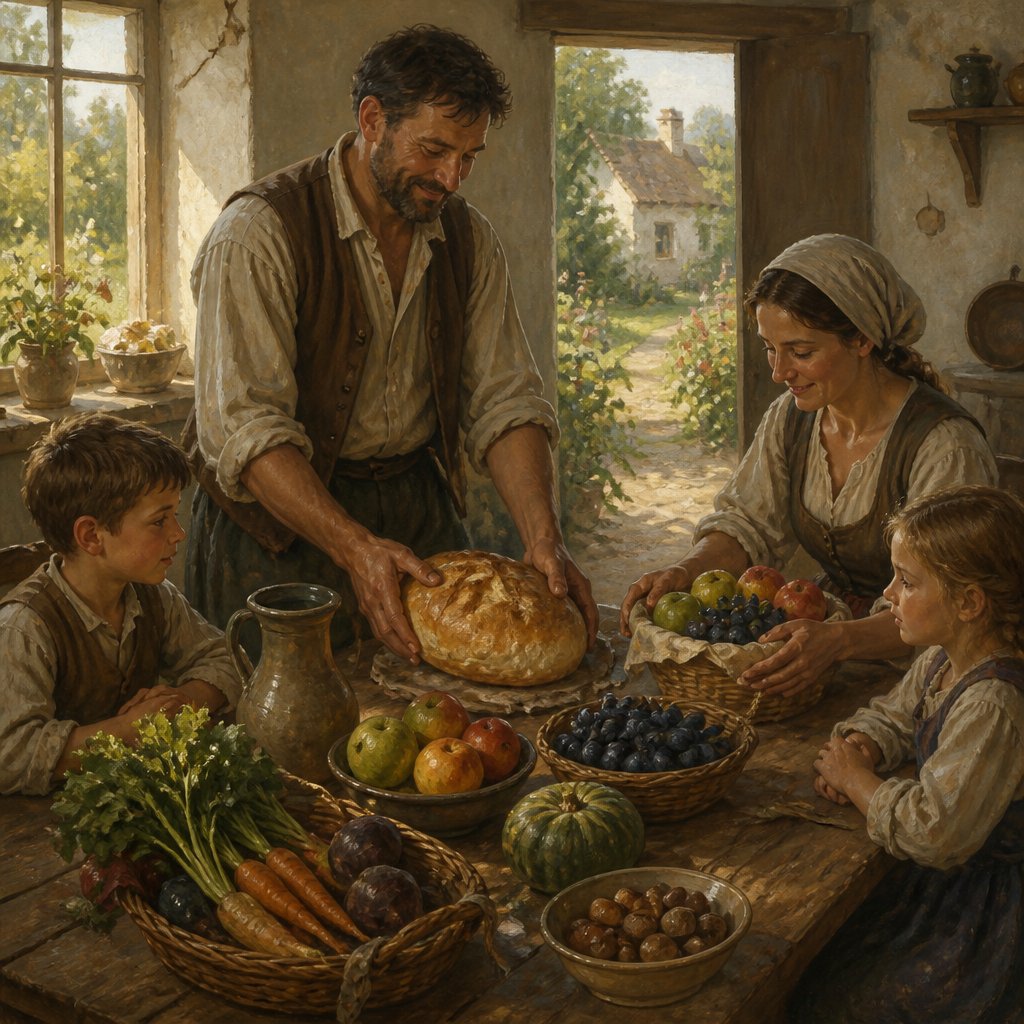
Psalm 128:2 in the King James Version of the Bible reads, "For thou shalt eat the labour of thine hands: happy shalt thou be, and it shall be well with thee." This verse is part of a larger psalm that is typically categorized as a "psalm of ascents," which were songs or prayers that would have been sung by pilgrims as they made their way to Jerusalem for the annual feasts.
The theme of this particular psalm is rooted in the blessings of obedience and faithfulness to God. The psalmist begins by declaring the happiness that comes to those who fear and walk in the ways of the Lord, and he then goes on to describe the tangible blessings that flow from such a posture of faith and obedience.
The verse "For thou shalt eat the labour of thine hands" speaks to the concept of reaping the rewards of one's hard work and diligence. In an agrarian society, such as the one in which the psalmist likely lived, the idea of eating the fruit of one's labor would have been a familiar and tangible aspect of daily life. This imagery is used metaphorically here to convey the idea that those who honor the Lord with their work will experience the fruit of their labor.
The phrase "happy shalt thou be, and it shall be well with thee" underscores the overall theme of the psalm, emphasizing the joy and contentment that comes from a life lived in obedience to God. The use of parallelism in this verse reinforces the message, driving home the idea that happiness and well-being are the natural outcomes of faithfully following God's commands.
The broader context of this psalm is important for understanding its significance within the larger narrative of the Psalms and the biblical canon as a whole. Beyond the immediate implications for the individual believer, this psalm is also reflective of the broader biblical theme of divine blessing and human flourishing. Throughout the Old Testament, God's covenantal promises to His people often included the assurance of material prosperity and well-being as a consequence of obedience and faithfulness.
While it is important to note that the Bible offers numerous examples of righteous individuals who experienced hardship and suffering, the overarching message of the biblical narrative is one of hope and blessing for those who align themselves with God's will.
In terms of symbolism, the imagery of "eating the labour of thine hands" can be understood as a metaphor for both physical and spiritual provision. On a material level, it speaks to the idea of enjoying the fruits of one's efforts and being sustained through one's work. Spiritually, it can be seen as a representation of the satisfaction and fulfillment that comes from walking in righteousness and experiencing the blessings of God's favor.
In conclusion, Psalm 128:2 offers a powerful message of encouragement and hope for those who seek to live in obedience to God. It emphasizes that the diligent and faithful will experience the tangible rewards of their labor and will be blessed with happiness and well-being. This verse, situated within the larger context of the psalm and the biblical narrative, reinforces the broader theme of divine blessing and human flourishing that is woven throughout the scriptures. It serves as a reminder of the abundant life that is available to those who align themselves with God's will and faithfully follow His commands.
Have questions about Psalms 128:2?
Dive deeper into this scripture with Bible Chat — an AI-powered tool for exploring God's Word through conversation. Ask questions, get context, and grow in your understanding of the Bible.
Get Our Apps


Psalms 128:2 Artwork

Psalms 128:2 - "For thou shalt eat the labour of thine hands: happy shalt thou be, and it shall be well with thee."
"For thou shalt eat the labour of thine hands: happy shalt thou be, and it shall be well with thee." - Psalms 128:2

Psalms 128:1 - "Blessed is every one that feareth the LORD; that walketh in his ways."

Psalms 128:4 - "Behold, that thus shall the man be blessed that feareth the LORD."

Psalms 128:6 - "Yea, thou shalt see thy children's children, and peace upon Israel."

Psalms 128:5 - "The LORD shall bless thee out of Zion: and thou shalt see the good of Jerusalem all the days of thy life."

Psalms 119:128 - "Therefore I esteem all thy precepts concerning all things to be right; and I hate every false way."
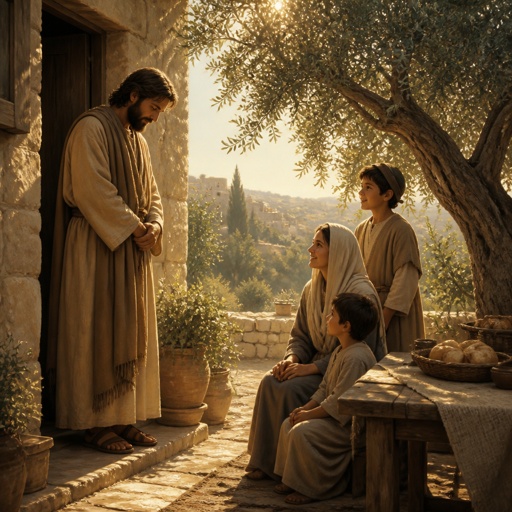
"Behold, that thus shall the man be blessed that feareth the LORD." - Psalms 128:4

Psalms 128:3 - "Thy wife shall be as a fruitful vine by the sides of thine house: thy children like olive plants round about thy table."

"Blessed is every one that feareth the LORD; that walketh in his ways." - Psalms 128:1

"The LORD shall bless thee out of Zion: and thou shalt see the good of Jerusalem all the days of thy life." - Psalms 128:5

"Yea, thou shalt see thy children's children, and peace upon Israel." - Psalms 128:6

Psalms 81:2 - "Take a psalm, and bring hither the timbrel, the pleasant harp with the psaltery."

"Therefore I esteem all thy precepts concerning all things to be right; and I hate every false way." - Psalms 119:128
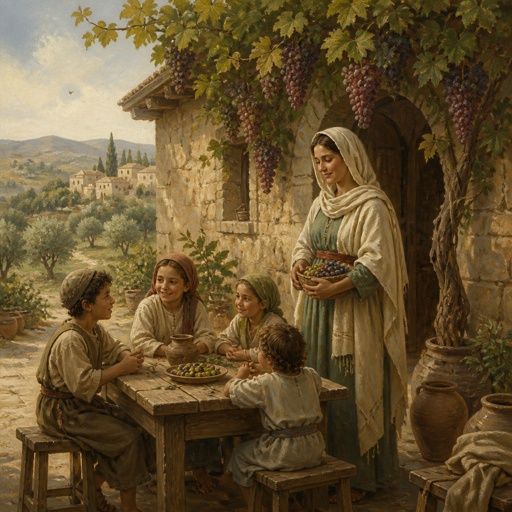
"Thy wife shall be as a fruitful vine by the sides of thine house: thy children like olive plants round about thy table." - Psalms 128:3
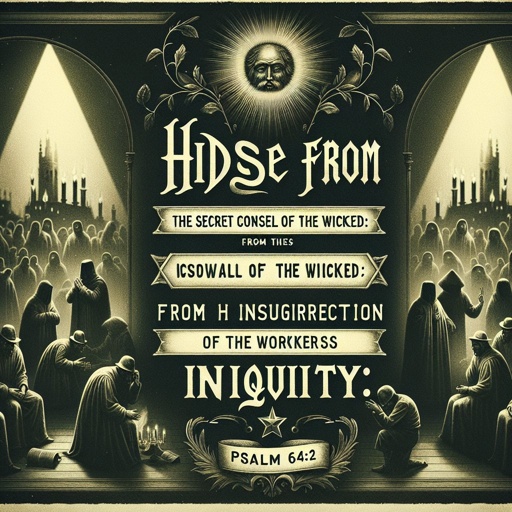
Psalms 64:2 - "Hide me from the secret counsel of the wicked; from the insurrection of the workers of iniquity:"

Psalms 115:2 - "Wherefore should the heathen say, Where is now their God?"

"Take a psalm, and bring hither the timbrel, the pleasant harp with the psaltery." - Psalms 81:2

Psalms 54:2 - "Hear my prayer, O God; give ear to the words of my mouth."

Psalms 149:2 - "Let Israel rejoice in him that made him: let the children of Zion be joyful in their King."

Psalms 5:2 - "Hearken unto the voice of my cry, my King, and my God: for unto thee will I pray."

Psalms 17:2 - "Let my sentence come forth from thy presence; let thine eyes behold the things that are equal."

"Both low and high, rich and poor, together." - Psalms 49:2

Psalms 125:2 - "As the mountains are round about Jerusalem, so the LORD is round about his people from henceforth even for ever."

Psalms 133:2 - "It is like the precious ointment upon the head, that ran down upon the beard, even Aaron's beard: that went down to the skirts of his garments;"

"Blessed be the name of the LORD from this time forth and for evermore." - Psalms 113:2

Psalm 95:1-2 - "O come, let us sing unto the Lord: let us make a joyful noise to the rock of our salvation. Let us come before his presence with thanksgiving, and make a joyful noise unto him with psalms."

Psalms 95:2 - "Let us come before his presence with thanksgiving, and make a joyful noise unto him with psalms."

"For he hath founded it upon the seas, and established it upon the floods." - Psalms 24:2

Psalms 105:2 - "Sing unto him, sing psalms unto him: talk ye of all his wondrous works."