What does Psalms 129:1 mean?
“Many a time have they afflicted me from my youth, may Israel now say:” — Psalms 129:1
The Bible verse Psalms 129:1 in the King James Version (KJV) reads, "Many a time have they afflicted me from my youth, may Israel now say." This verse is part of a collection of Psalms attributed to King David, and it reflects the theme of persecution and affliction that the people of Israel have endured throughout their history. In order to fully understand the depth and meaning of this verse, it is important to explore its context, themes, and symbolism.
The book of Psalms is a collection of 150 poetic songs and prayers that were traditionally attributed to David, the second king of Israel. These psalms cover a wide range of human experiences, from joy and thanksgiving to sorrow and lament. Psalms 129 is classified as a "song of ascents," which were likely sung by pilgrims as they ascended to Jerusalem for the annual religious festivals. These songs would have served as a reminder of God's faithfulness and a source of encouragement for the difficult journey ahead.
The opening verse of Psalm 129 expresses the collective lament of the people of Israel, as they reflect on the numerous times they have been afflicted and persecuted throughout their history. The use of the phrase "from my youth" indicates that the affliction and oppression have been ongoing, and may have even begun from the early days of the nation of Israel. This sense of continuous suffering emphasizes the deep-rooted nature of the people's hardship, and the lasting impact it has had on their identity and faith.
The theme of affliction and persecution is a recurring motif throughout the Psalms and the Hebrew Bible as a whole. The people of Israel faced numerous trials and tribulations, including enslavement in Egypt, conquest and exile by foreign powers, and internal conflicts and division. These experiences of suffering shaped the collective memory and identity of the Jewish people, and formed the basis for their hope in God's deliverance and redemption.
The use of the phrase "may Israel now say" in Psalm 129:1 suggests a shift in perspective, as the people of Israel affirm their enduring resilience and faith in the midst of affliction. Despite their history of oppression, they declare their continued existence and perseverance as a community. This affirmation serves as a testimony to God's faithfulness and their unwavering trust in His promises. It also reflects a sense of solidarity and unity among the people, as they join together in voicing their shared experiences and hopes for deliverance.
The symbolism of affliction and persecution in Psalm 129 extends beyond the historical context of Israel to encompass the universal human experience of suffering. The psalm resonates with individuals and communities who have endured hardship, persecution, and injustice. It speaks to the pain and struggles that accompany the human journey, and offers a message of resilience and hope in the face of adversity.
In conclusion, Psalm 129:1 in the King James Version encapsulates the theme of affliction and persecution that has characterized the history of the people of Israel. It portrays their collective lament and affirmation of faith in the midst of suffering, while also addressing the broader human experience of hardship and resilience. This verse serves as a poignant reminder of the enduring nature of suffering and the unwavering hope in God's deliverance. As readers engage with this verse, they are invited to reflect on their own experiences of affliction and to find comfort in the solidarity and hope expressed by the people of Israel.
Get our apps


Artwork for Psalms 129:1

Psalms 129:1 - "Many a time have they afflicted me from my youth, may Israel now say:"

"Many a time have they afflicted me from my youth, may Israel now say:" - Psalms 129:1

Psalms 129:6 - "Let them be as the grass upon the housetops, which withereth afore it groweth up:"

Psalms 129:3 - "The plowers plowed upon my back: they made long their furrows."

Psalms 129:5 - "Let them all be confounded and turned back that hate Zion."

Psalms 129:4 - "The LORD is righteous: he hath cut asunder the cords of the wicked."

Psalms 119:129 - "Thy testimonies are wonderful: therefore doth my soul keep them."

Psalms 129:7 - "Wherewith the mower filleth not his hand; nor he that bindeth sheaves his bosom."

Psalms 129:2 - "Many a time have they afflicted me from my youth: yet they have not prevailed against me."

Psalms 129:8 - "Neither do they which go by say, The blessing of the LORD be upon you: we bless you in the name of the LORD."
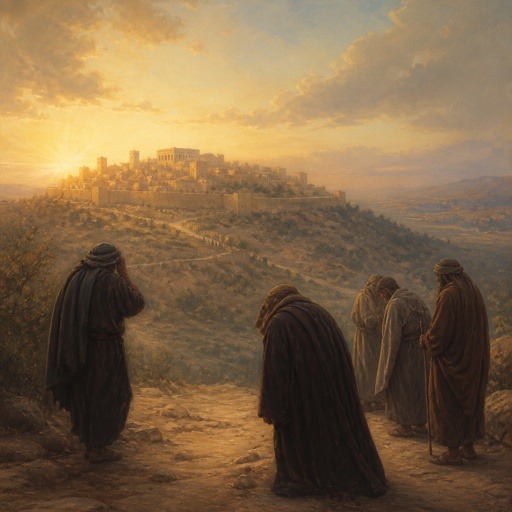
"Let them all be confounded and turned back that hate Zion." - Psalms 129:5
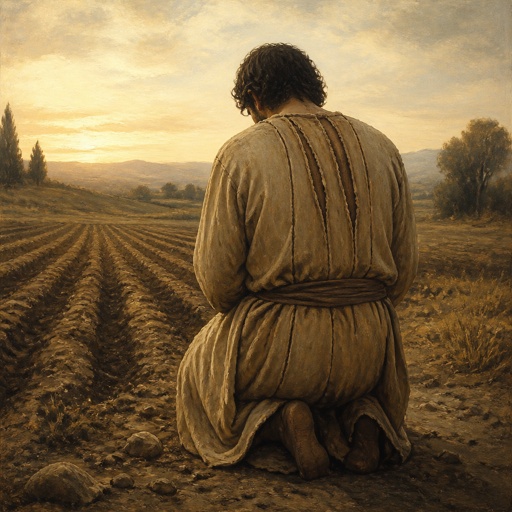
"The plowers plowed upon my back: they made long their furrows." - Psalms 129:3
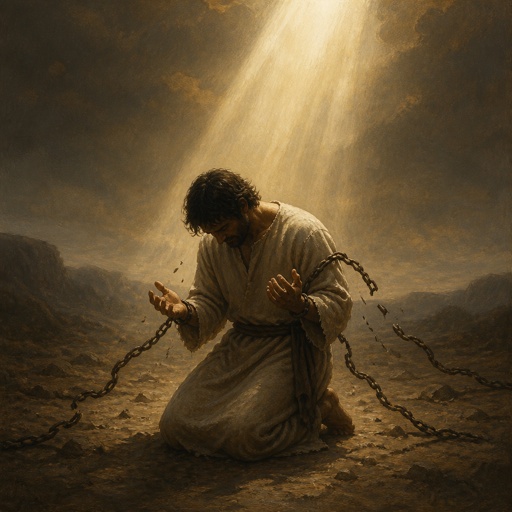
"The LORD is righteous: he hath cut asunder the cords of the wicked." - Psalms 129:4
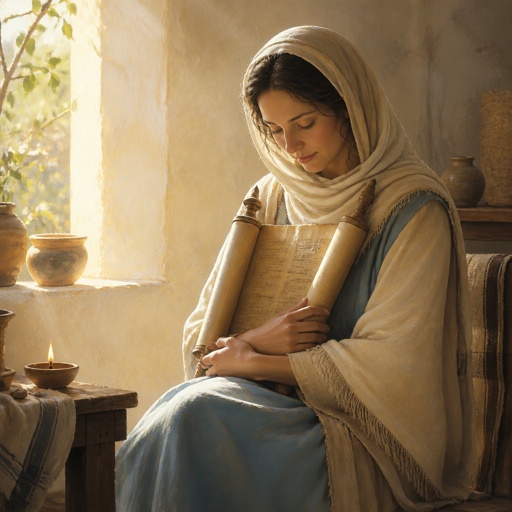
"Thy testimonies are wonderful: therefore doth my soul keep them." - Psalms 119:129
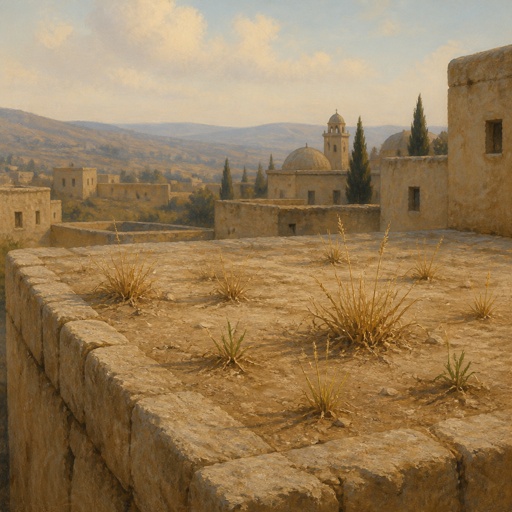
"Let them be as the grass upon the housetops, which withereth afore it groweth up:" - Psalms 129:6
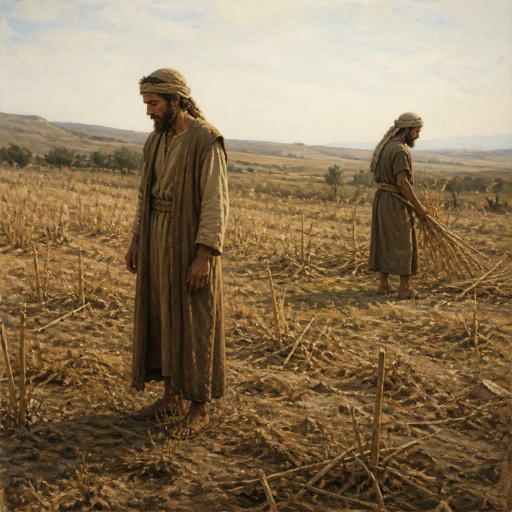
"Wherewith the mower filleth not his hand; nor he that bindeth sheaves his bosom." - Psalms 129:7

"Many a time have they afflicted me from my youth: yet they have not prevailed against me." - Psalms 129:2
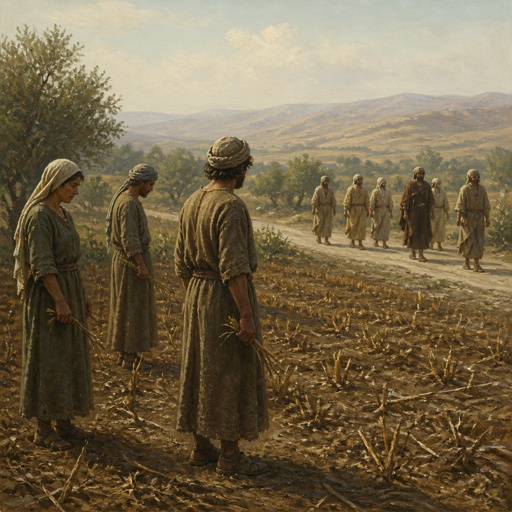
"Neither do they which go by say, The blessing of the LORD be upon you: we bless you in the name of the LORD." - Psalms 129:8

Psalms 128:1 - "Blessed is every one that feareth the LORD; that walketh in his ways."

Psalms 122:1 - "I was glad when they said unto me, Let us go into the house of the LORD."
psalm 80:1-7

Psalms 15:1 (KJVA) 1 A Psalm of David. LORD, who shall abide in thy tabernacle? who shall dwell in thy holy hill?

Psalms 15:1 (KJVA) 1 A Psalm of David. LORD, who shall abide in thy tabernacle? who shall dwell in thy holy hill?

Psalms 64:1 - "Hear my voice, O God, in my prayer: preserve my life from fear of the enemy."

Psalms 14:1 (KJVA) 1 To the chief Musician, A Psalm of David. The fool hath said in his heart, There is no God. They are corrupt, they have done abominable works, there is none that doeth good.

Psalms 14:1 (KJVA) 1 To the chief Musician, A Psalm of David. The fool hath said in his heart, There is no God. They are corrupt, they have done abominable works, there is none that doeth good.

Psalms 14:1 (KJVA) 1 To the chief Musician, A Psalm of David. The fool hath said in his heart, There is no God. They are corrupt, they have done abominable works, there is none that doeth good.

Psalms 14:1 (KJVA) 1 To the chief Musician, A Psalm of David. The fool hath said in his heart, There is no God. They are corrupt, they have done abominable works, there is none that doeth good.

Psalms 14:1 (KJVA) 1 To the chief Musician, A Psalm of David. The fool hath said in his heart, There is no God. They are corrupt, they have done abominable works, there is none that doeth good.

Psalms 14:1 (KJVA) 1 To the chief Musician, A Psalm of David. The fool hath said in his heart, There is no God. They are corrupt, they have done abominable works, there is none that doeth good.