What does Psalms 129:6 mean?
“Let them be as the grass upon the housetops, which withereth afore it groweth up:” — Psalms 129:6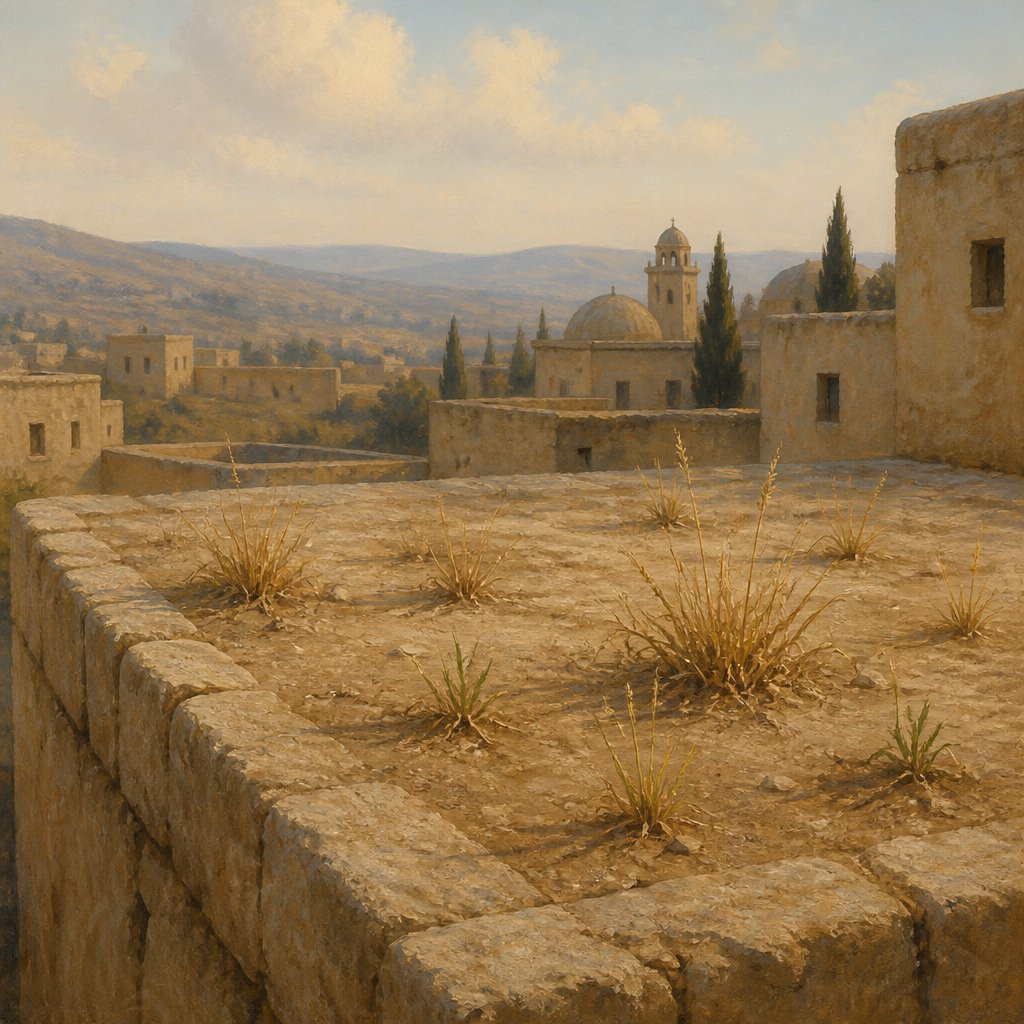
"Psalms 129:6 (KJV) - Let them be as the grass upon the housetops, which withereth afore it groweth up"
This verse from Psalm 129 is a powerful and vivid image of the fleeting nature of the wicked. It compares them to the grass that grows on the housetops, which is exposed to the harsh elements and withers away before it has a chance to fully mature. In this commentary, we will explore the deeper meaning and significance of this verse, as well as its themes, context, and symbolism.
The theme of the fleeting nature of wickedness is central to this verse. The image of the grass on the housetops serves as a powerful metaphor for the transitory nature of the wicked. The housetop is a place of exposure, vulnerability, and impermanence. The grass that grows there is easily damaged and does not have the strength or stability to withstand the elements. In the same way, the wicked are destined for destruction and will not have a lasting impact or legacy.
The context of this verse is important for understanding its full meaning. Psalm 129 is a psalm of lament and supplication, in which the psalmist cries out to God for deliverance from the oppression and persecution of their enemies. The psalmist expresses confidence in God's ultimate justice and righteousness, and this verse serves as a declaration of the psalmist's trust in God's ability to bring about the downfall of the wicked.
The symbolism of the grass on the housetops is rich and multi-layered. In addition to representing the transitory nature of the wicked, it also symbolizes their lowliness and insignificance. The grass on the housetops is easily trampled underfoot and has no lasting value. Similarly, the wicked are ultimately powerless in the face of God's judgment and will be brought low in due time.
Furthermore, the image of the grass on the housetops can be seen as a commentary on the foolishness of pursuing wickedness. Just as the grass on the housetops is exposed and vulnerable, so too are the wicked exposed to the consequences of their actions. They may seem to flourish for a time, but ultimately they are destined for destruction.
This verse also serves as a reminder of the impermanence of earthly pursuits and the futility of placing one's trust in worldly power and success. The wicked may seem to have the upper hand for a time, but their prosperity is ultimately short-lived. In contrast, the psalmist places their trust in God, who offers true and lasting security.
In conclusion, Psalm 129:6 (KJV) - "Let them be as the grass upon the housetops, which withereth afore it groweth up," is a powerful declaration of the transitory and fleeting nature of the wicked. It serves as a reminder of the ultimate futility and insignificance of pursuing wickedness, and the need to place one's trust in God's justice and righteousness. The imagery of the grass on the housetops is rich with symbolism and serves as a poignant reminder of the impermanence of earthly pursuits. This verse offers a message of hope and confidence in God's ultimate victory over the forces of wickedness.
Get our apps


Artwork for Psalms 129:6

Psalms 129:6 - "Let them be as the grass upon the housetops, which withereth afore it groweth up:"
"Let them be as the grass upon the housetops, which withereth afore it groweth up:" - Psalms 129:6

Psalms 129:3 - "The plowers plowed upon my back: they made long their furrows."

Psalms 129:5 - "Let them all be confounded and turned back that hate Zion."

Psalms 129:4 - "The LORD is righteous: he hath cut asunder the cords of the wicked."

Psalms 119:129 - "Thy testimonies are wonderful: therefore doth my soul keep them."

Psalms 129:7 - "Wherewith the mower filleth not his hand; nor he that bindeth sheaves his bosom."

Psalms 129:1 - "Many a time have they afflicted me from my youth, may Israel now say:"

"Many a time have they afflicted me from my youth, may Israel now say:" - Psalms 129:1

Psalms 129:2 - "Many a time have they afflicted me from my youth: yet they have not prevailed against me."

Psalms 129:8 - "Neither do they which go by say, The blessing of the LORD be upon you: we bless you in the name of the LORD."
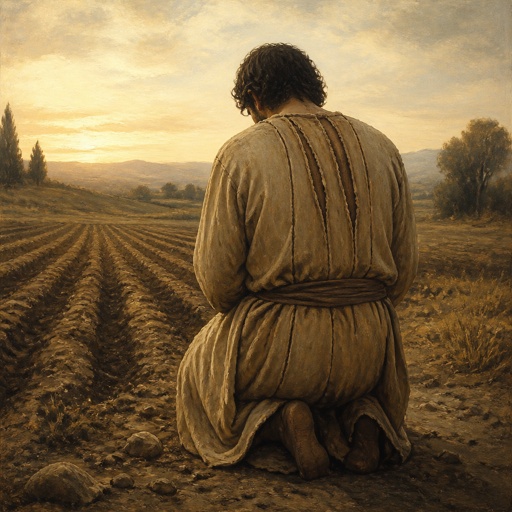
"The plowers plowed upon my back: they made long their furrows." - Psalms 129:3
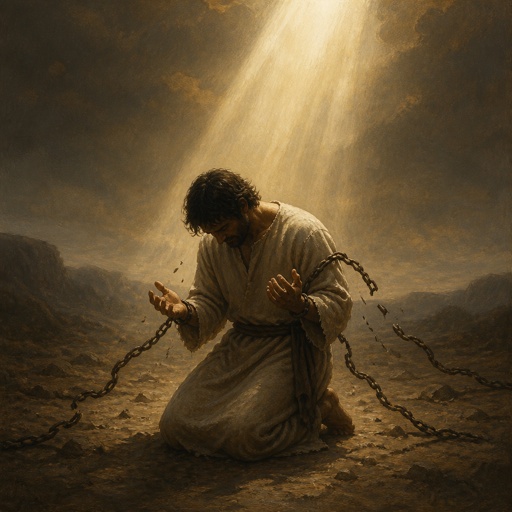
"The LORD is righteous: he hath cut asunder the cords of the wicked." - Psalms 129:4
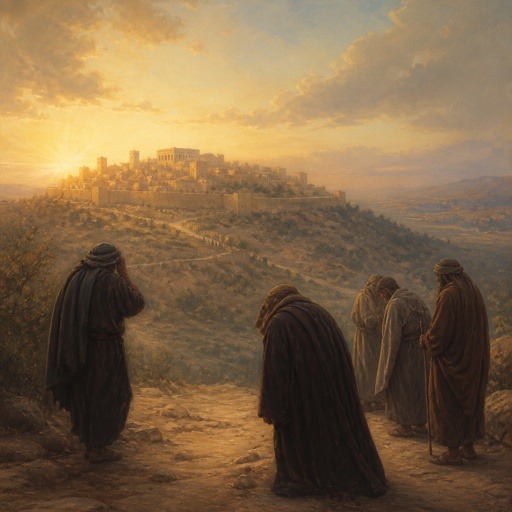
"Let them all be confounded and turned back that hate Zion." - Psalms 129:5
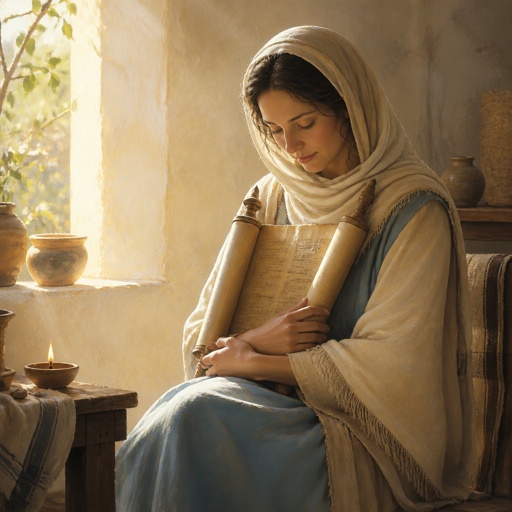
"Thy testimonies are wonderful: therefore doth my soul keep them." - Psalms 119:129
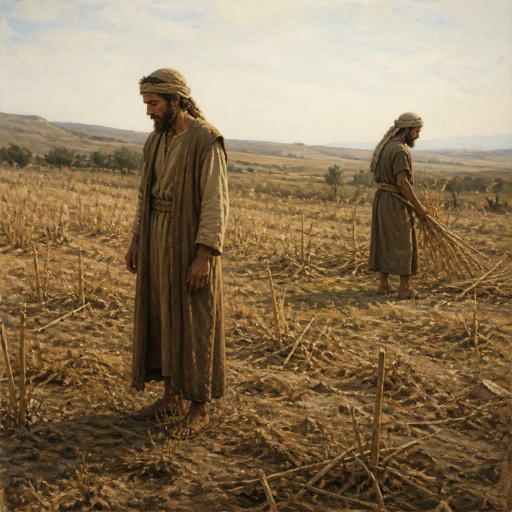
"Wherewith the mower filleth not his hand; nor he that bindeth sheaves his bosom." - Psalms 129:7

Psalms 126:6

"Many a time have they afflicted me from my youth: yet they have not prevailed against me." - Psalms 129:2
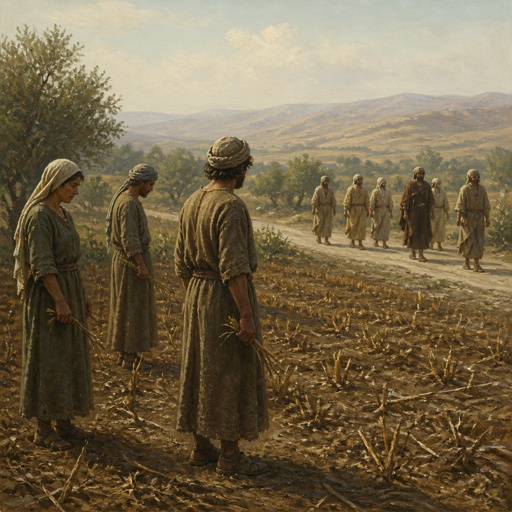
"Neither do they which go by say, The blessing of the LORD be upon you: we bless you in the name of the LORD." - Psalms 129:8
Psalms 115:6 - "They have ears, but they hear not: noses have they, but they smell not:"
Psalms 30:6 - "And in my prosperity I said, I shall never be moved."

Psalms 144:6 - "Cast forth lightning, and scatter them: shoot out thine arrows, and destroy them."

Psalms 74:6 - "But now they break down the carved work thereof at once with axes and hammers."

Psalms 6:6

Psalms 80:6 - "Thou makest us a strife unto our neighbours: and our enemies laugh among themselves."

Psalms 114:6 - "Ye mountains, that ye skipped like rams; and ye little hills, like lambs?"

"They slay the widow and the stranger, and murder the fatherless." - Psalms 94:6

Psalms 130:6 - "My soul waiteth for the Lord more than they that watch for the morning: I say, more than they that watch for the morning."

Psalms 118:6 - "The LORD is on my side; I will not fear: what can man do unto me?"

"Pray for the peace of Jerusalem: they shall prosper that love thee." - Psalms 122:6