What does Psalms 129:7 mean?
“Wherewith the mower filleth not his hand; nor he that bindeth sheaves his bosom.” — Psalms 129:7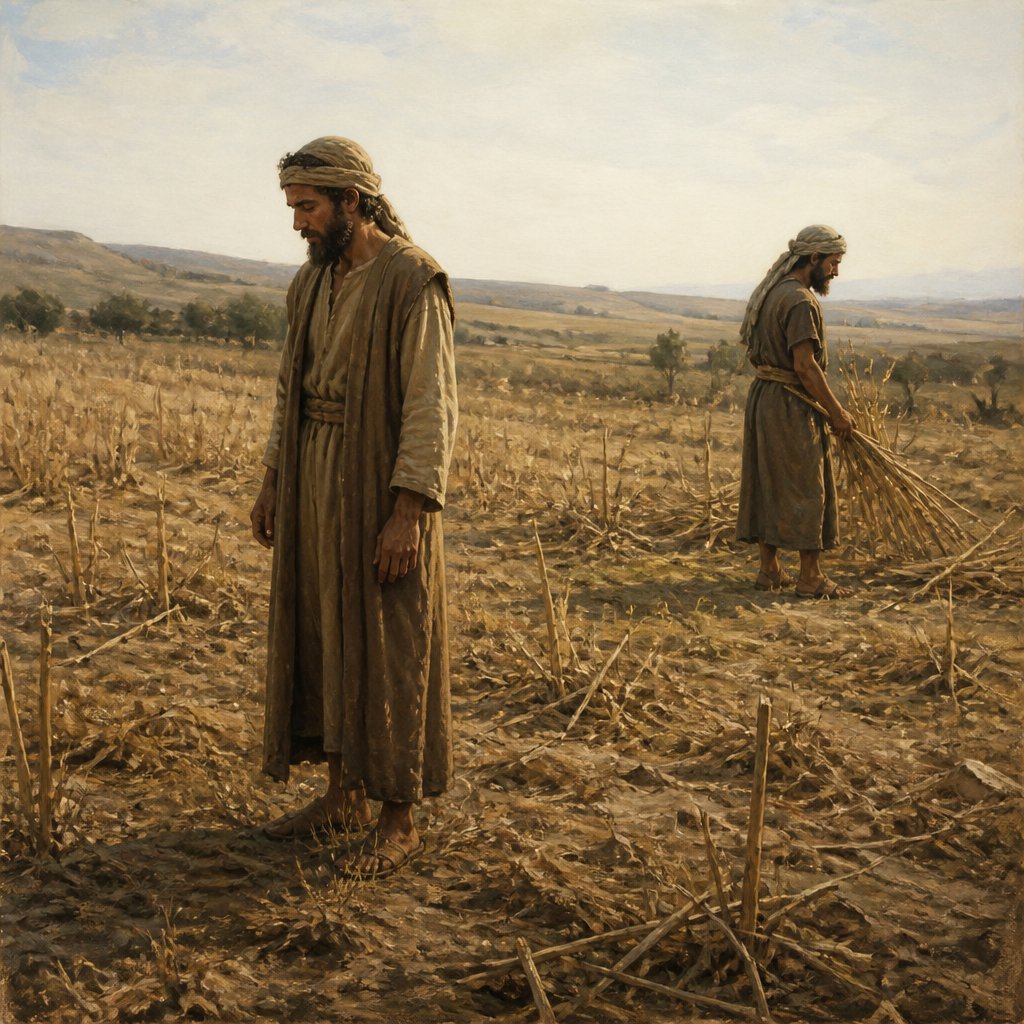
Psalms 129:7 (KJV) states, "Wherewith the mower filleth not his hand; nor he that bindeth sheaves his bosom." This verse is part of a larger psalm that speaks to the struggles and persecutions of the people of Israel. The psalmist calls upon the Lord to deliver them from their enemies and to bring justice to those who have oppressed them. In order to fully understand the meaning and significance of this verse, it is important to analyze the themes, context, and symbolism present in the passage.
The overarching theme of Psalms 129 is the enduring faith and resilience of the people of Israel in the face of persecution and adversity. The psalmist recounts the history of Israel's oppression at the hands of their enemies and their unwavering trust in God to deliver them from their trials. This theme of perseverance in the face of suffering is echoed in verse 7, as the imagery of the mower and the one who binds sheaves speaks to the toilsome labor of the Israelites.
The context of this verse is crucial to understanding its meaning. The psalmist is drawing a comparison between the struggles of the people of Israel and the difficulties faced by those who work the land. The mower toils to gather the harvest, yet is unable to fill his hand with the fruits of his labor. Similarly, the one who binds sheaves is unable to hold the harvest close to his bosom, symbolizing the unrewarded efforts and the unfulfilled labor of the Israelites.
This verse also carries a symbolic meaning that is deeply rooted in the agricultural practices of ancient Israel. The act of mowing and binding sheaves was a labor-intensive process that required great effort and dedication. The failure of the mower to fill his hand and the inability of the one who binds sheaves to hold the harvest close represent the unfulfilled hopes and dreams of the Israelites. Their efforts to thrive and prosper were thwarted by their oppressors, leaving them feeling empty-handed and unable to enjoy the fruits of their labor.
Furthermore, the imagery of the mower and the one who binds sheaves also serves as a metaphor for the spiritual labor of the Israelites. They faithfully tended to their relationship with God, yet they were unable to fully experience the blessings and abundance that they yearned for. This verse captures the deep sense of longing and yearning for justice and deliverance that permeated the hearts of the Israelites.
In conclusion, Psalms 129:7 (KJV) conveys a powerful message of perseverance, resilience, and unwavering faith in the face of adversity. The verse uses vivid imagery and symbolism to depict the struggles and unfulfilled labor of the people of Israel. It serves as a poignant reminder of the enduring hope and trust in God's deliverance, even in the most challenging of times. This verse resonates with anyone who has experienced hardship and oppression, offering a message of hope and resilience in the face of adversity.
Get our apps


Artwork for Psalms 129:7

Psalms 129:7 - "Wherewith the mower filleth not his hand; nor he that bindeth sheaves his bosom."
"Wherewith the mower filleth not his hand; nor he that bindeth sheaves his bosom." - Psalms 129:7

Psalms 129:6 - "Let them be as the grass upon the housetops, which withereth afore it groweth up:"

Psalms 129:3 - "The plowers plowed upon my back: they made long their furrows."

Psalms 129:5 - "Let them all be confounded and turned back that hate Zion."

Psalms 129:4 - "The LORD is righteous: he hath cut asunder the cords of the wicked."

Psalms 119:129 - "Thy testimonies are wonderful: therefore doth my soul keep them."

Psalms 129:1 - "Many a time have they afflicted me from my youth, may Israel now say:"
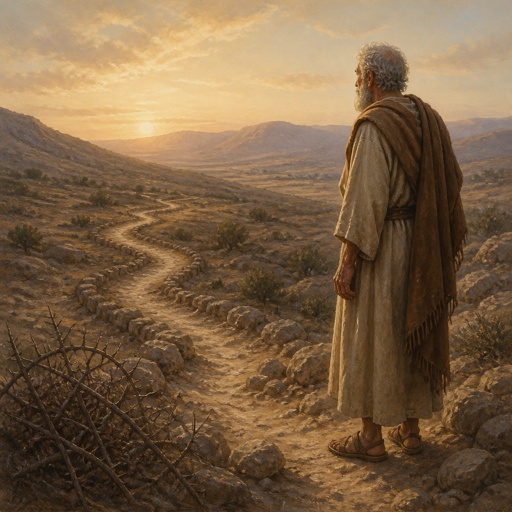
"Many a time have they afflicted me from my youth, may Israel now say:" - Psalms 129:1

Psalms 129:2 - "Many a time have they afflicted me from my youth: yet they have not prevailed against me."

Psalms 129:8 - "Neither do they which go by say, The blessing of the LORD be upon you: we bless you in the name of the LORD."
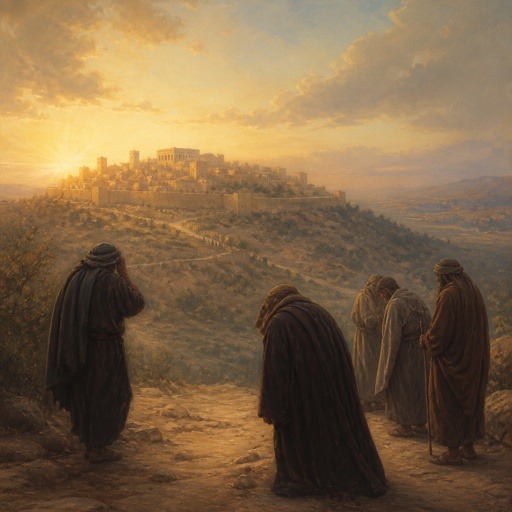
"Let them all be confounded and turned back that hate Zion." - Psalms 129:5
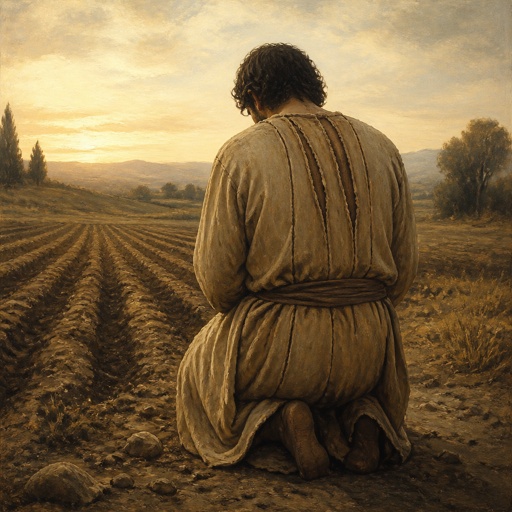
"The plowers plowed upon my back: they made long their furrows." - Psalms 129:3
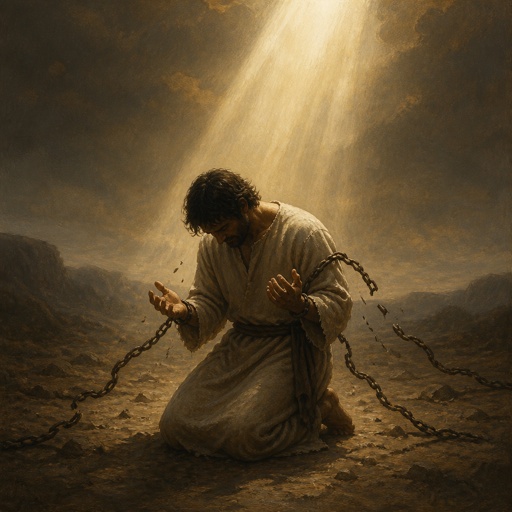
"The LORD is righteous: he hath cut asunder the cords of the wicked." - Psalms 129:4
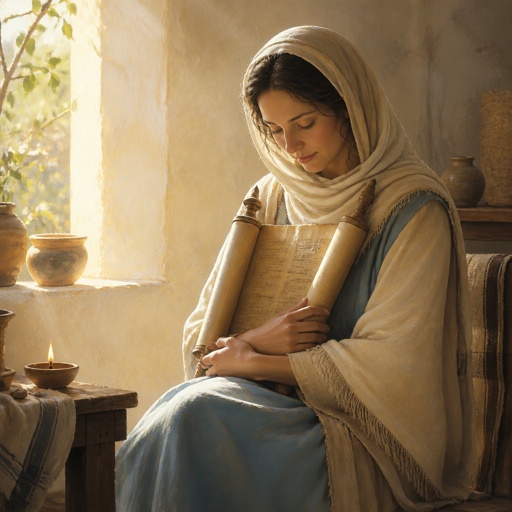
"Thy testimonies are wonderful: therefore doth my soul keep them." - Psalms 119:129
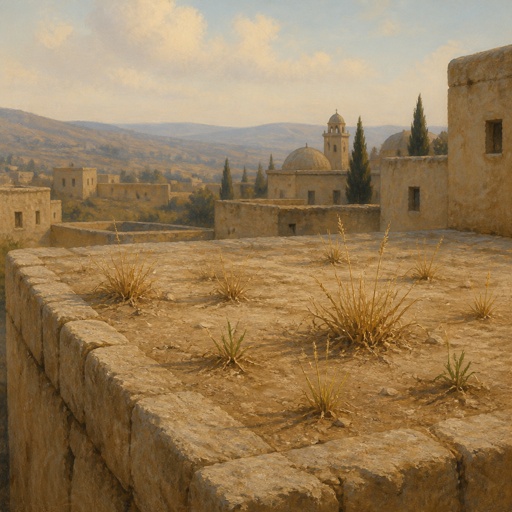
"Let them be as the grass upon the housetops, which withereth afore it groweth up:" - Psalms 129:6

Psalms 20 7
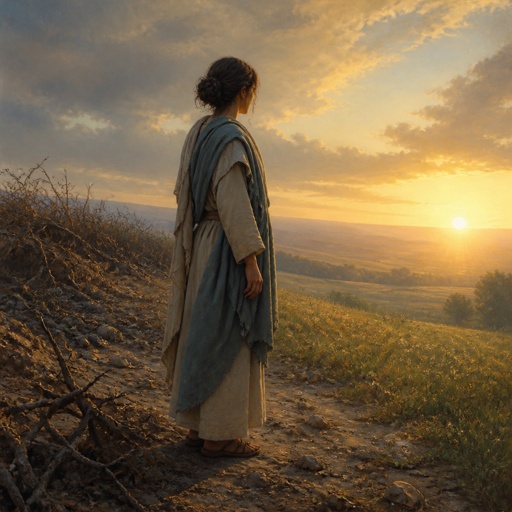
"Many a time have they afflicted me from my youth: yet they have not prevailed against me." - Psalms 129:2
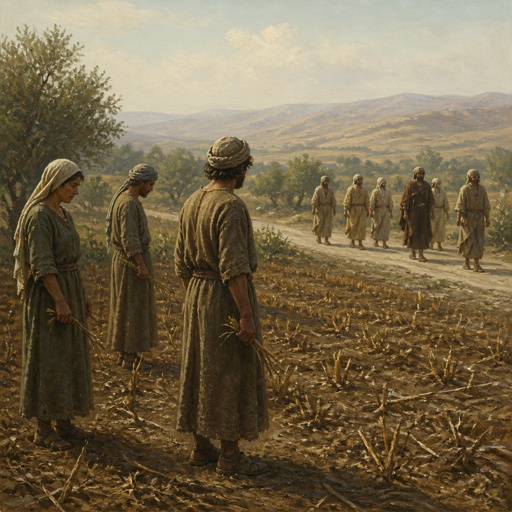
"Neither do they which go by say, The blessing of the LORD be upon you: we bless you in the name of the LORD." - Psalms 129:8
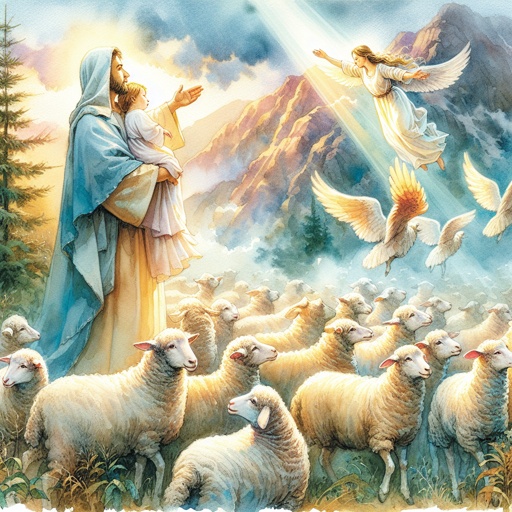
psalm 80:1-7

Psalms 98:7 - "Let the sea roar, and the fulness thereof; the world, and they that dwell therein."

Psalms 12:7 - "Thou shalt keep them, O LORD, thou shalt preserve them from this generation for ever."

"All sheep and oxen, yea, and the beasts of the field;" - Psalms 8:7

"Gebal, and Ammon, and Amalek; the Philistines with the inhabitants of Tyre;" - Psalms 83:7

"So shall the congregation of the people compass thee about: for their sakes therefore return thou on high." - Psalms 7:7

Psalms 88:7 - "Thy wrath lieth hard upon me, and thou hast afflicted me with all thy waves. Selah."

Psalms 22:7

"We will go into his tabernacles: we will worship at his footstool." - Psalms 132:7

Psalms 37:7

Psalms 42:7 (ESV) 7 Deep calls to deep at the roar of your waterfalls; all your breakers and your waves have gone over me.