What does Psalms 130:3 mean?
“If thou, LORD, shouldest mark iniquities, O Lord, who shall stand?” — Psalms 130:3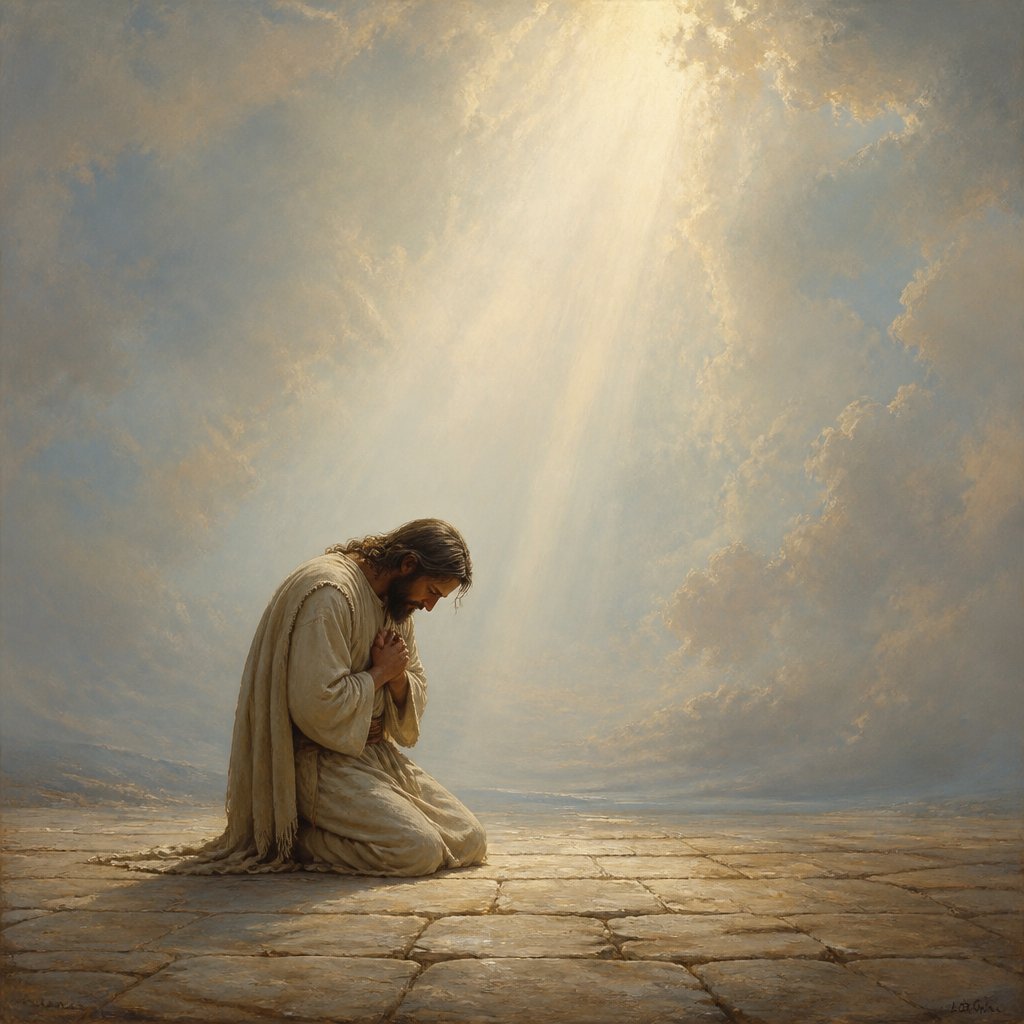
The Bible verse Psalm 130:3 from the King James Version (KJV) states, "If thou, Lord, shouldest mark iniquities, O Lord, who shall stand?" This verse is within the larger context of Psalm 130, which is a song of ascents. These songs were traditionally sung by the people of Israel as they made their pilgrimage to Jerusalem for the annual feasts.
The verse raises profound questions about the nature of God's justice and the human condition. It addresses the theme of sin and forgiveness, as well as the relationship between humanity and God. The verse also reveals the depth of the psalmist's despair and their need for divine mercy.
The theme of sin and forgiveness is prevalent in this verse. The psalmist acknowledges the reality of human sinfulness and the consequences of iniquity. The phrase "If thou, Lord, shouldest mark iniquities" reflects a fear of God's judgment and the recognition of human inadequacy. This sentiment reflects the biblical understanding of sin as a fundamental aspect of human nature, and the need for divine forgiveness.
The verse also prompts reflection on the nature of God's justice. The psalmist questions who can stand before the Lord if He were to fully and strictly judge their iniquities. This raises important theological questions about the character of God and His relationship with humanity. It suggests that God's justice is not arbitrary or lenient, but that He holds humanity accountable for their actions. This underscores the seriousness of sin and the need for divine grace.
Moreover, the verse speaks to the profound relationship between humanity and God. The psalmist's plea for mercy reveals their reliance on God for forgiveness and salvation. The verse highlights the fundamental human need for divine intervention and the hope of reconciliation with God. This reflects the biblical emphasis on the importance of faith and trust in God's willingness to forgive and redeem.
Symbolism plays a significant role in understanding the depth of this verse. The image of God marking iniquities suggests a divine bookkeeping of human transgressions. It evokes the idea of God's omniscience and His awareness of every action and thought. This image serves as a reminder of the seriousness of sin and the need for repentance and forgiveness.
In the broader context of the Psalms, Psalm 130 is a lament that expresses the depths of human suffering and the longing for divine intervention. The psalmist's cry for mercy and forgiveness resonates with the universal human experience of guilt and the need for redemption. The verse echoes themes of hope, trust, and the unwavering faith in God's compassion and willingness to forgive.
In conclusion, Psalm 130:3 from the King James Version encapsulates profound reflections on the themes of sin and forgiveness, the nature of God's justice, and the profound relationship between humanity and God. The verse serves as a poignant reminder of the human need for divine mercy and redemption. It prompts believers to reflect on their own sinfulness and the incomprehensible grace of God. This verse remains timeless in its message, inspiring believers to seek forgiveness and trust in God's steadfast love.
Get our apps


Artwork for Psalms 130:3

Psalms 130:3 - "If thou, LORD, shouldest mark iniquities, O Lord, who shall stand?"
"If thou, LORD, shouldest mark iniquities, O Lord, who shall stand?" - Psalms 130:3

Psalms 130:6 - "My soul waiteth for the Lord more than they that watch for the morning: I say, more than they that watch for the morning."

Psalms 130:4 - "But there is forgiveness with thee, that thou mayest be feared."

Psalms 130:7 - "Let Israel hope in the LORD: for with the LORD there is mercy, and with him is plenteous redemption."

"The entrance of thy words giveth light; it giveth understanding unto the simple." - Psalms 119:130

"And he shall redeem Israel from all his iniquities." - Psalms 130:8

Psalms 130:2 - "Lord, hear my voice: let thine ears be attentive to the voice of my supplications."
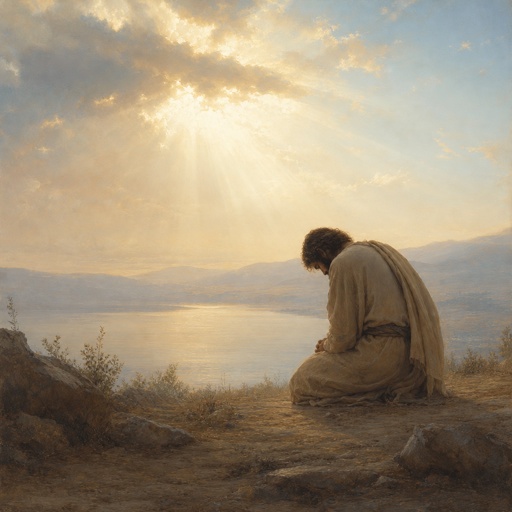
"But there is forgiveness with thee, that thou mayest be feared." - Psalms 130:4

Psalms 130:8 - "And he shall redeem Israel from all his iniquities."

"Let Israel hope in the LORD: for with the LORD there is mercy, and with him is plenteous redemption." - Psalms 130:7

Psalms 119:130 - "The entrance of thy words giveth light; it giveth understanding unto the simple."

Psalms 130:1 - "Out of the depths have I cried unto thee, O LORD."

Psalm 130:3-4 - "If thou, Lord, shouldest mark iniquities, O Lord, who shall stand? But there is forgiveness with thee, that thou mayest be feared."

Psalms 130:5 - "I wait for the LORD, my soul doth wait, and in his word do I hope."
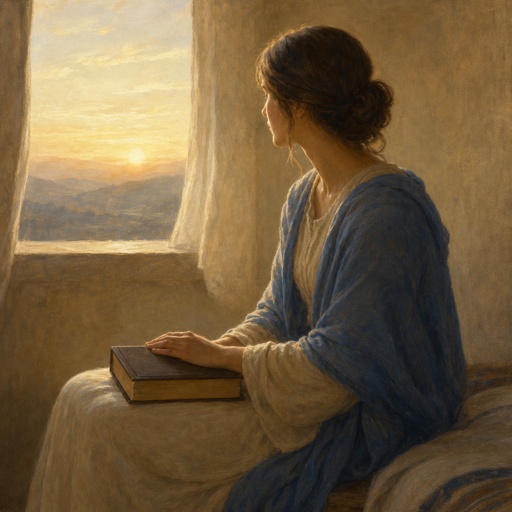
"I wait for the LORD, my soul doth wait, and in his word do I hope." - Psalms 130:5

"My soul waiteth for the Lord more than they that watch for the morning: I say, more than they that watch for the morning." - Psalms 130:6

"I wait for the LORD, my soul doth wait, and in his word do I hope." - Psalms 130:5

"Out of the depths have I cried unto thee, O LORD." - Psalms 130:1
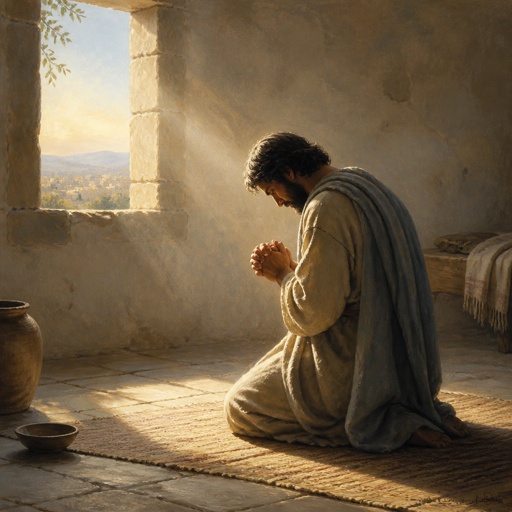
"Lord, hear my voice: let thine ears be attentive to the voice of my supplications." - Psalms 130:2
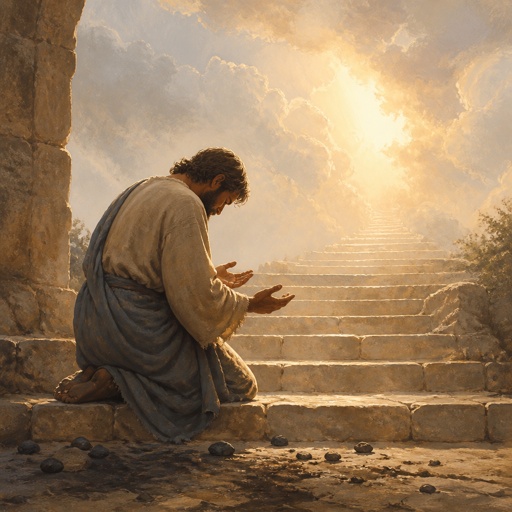
"If thou, Lord, shouldest mark iniquities, O Lord, who shall stand? But there is forgiveness with thee, that thou mayest be feared." - Psalm 130:3-4

Psalms 111:3 - "His work is honourable and glorious: and his righteousness endureth for ever."

Psalms 88:3 - "For my soul is full of troubles: and my life draweth nigh unto the grave."

Psalms 103:3 - "Who forgiveth all thine iniquities; who healeth all thy diseases;"

Psalms 87:3 - "Glorious things are spoken of thee, O city of God. Selah."

Psalms 67:3 - "Let the people praise thee, O God; let all the people praise thee."

Psalms 138:3 - "In the day when I cried thou answeredst me, and strengthenedst me with strength in my soul."

Psalms 116:3 - "The sorrows of death compassed me, and the pains of hell gat hold upon me: I found trouble and sorrow."

"The sea saw it, and fled: Jordan was driven back." - Psalms 114:3

"There is no speech nor language, where their voice is not heard." - Psalms 19:3