What does Psalms 130:4 mean?
“But there is forgiveness with thee, that thou mayest be feared.” — Psalms 130:4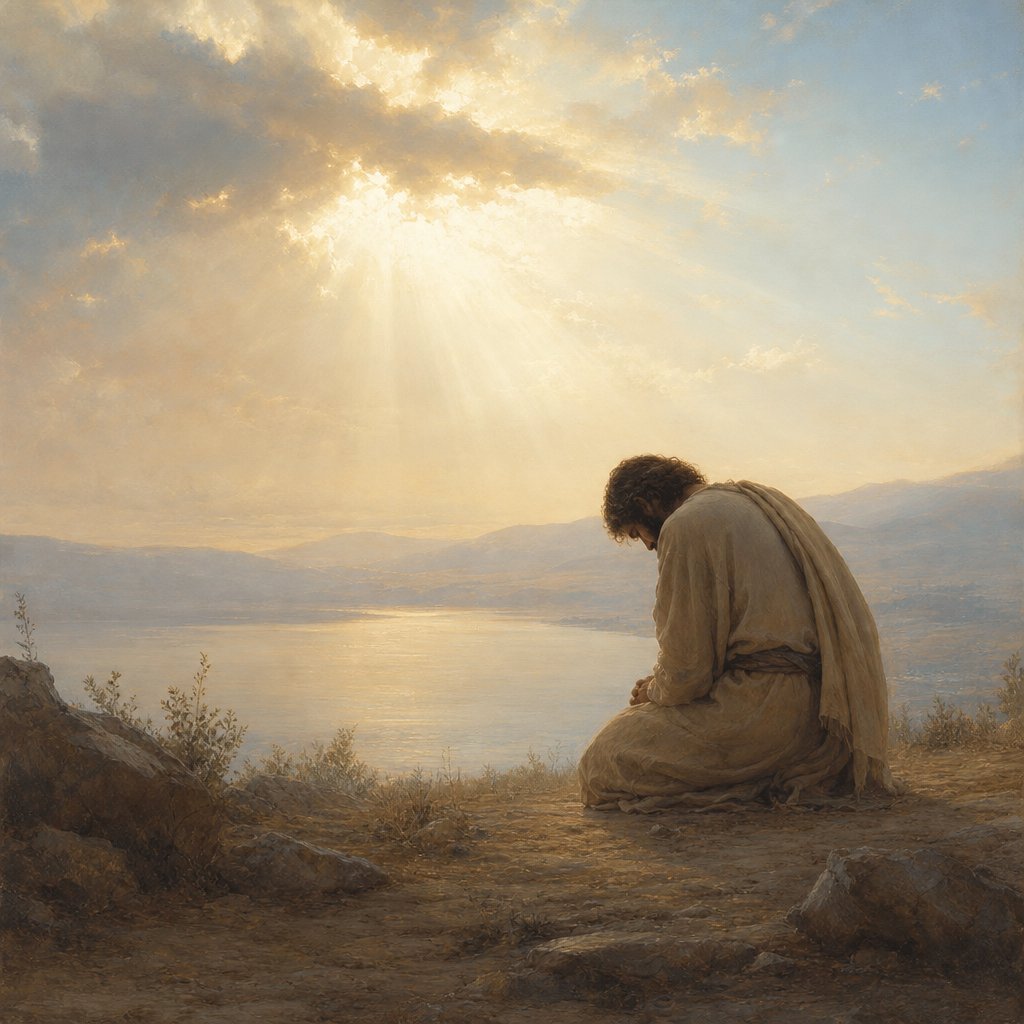
Psalm 130 is one of the “songs of degrees,” a short pilgrim psalm sung by worshippers who were, in spirit and often in body, ascending toward the presence of the LORD. The movement of the psalm is unmistakable: it begins “out of the depths,” where the speaker feels the weight and drowning pressure of guilt, sorrow, and helplessness, and it rises step by step into hope, waiting, and confident redemption. Psalm 130:4 stands at the turning point of that ascent, where despair does not deny sin, and hope does not deny justice. It reads, in the words of the King James Bible: “But there is forgiveness with thee, that thou mayest be feared.”
The verse begins with “But,” and that small word carries the whole change of atmosphere. The psalmist has already asked, “If thou, LORD, shouldest mark iniquities, O Lord, who shall stand?” The implied answer is that no one could endure if God kept a strict account, because the standard is perfect holiness and the human record is not. Psalm 130:4 does not contradict that severity; it answers it. If the LORD were only an auditor of iniquity, every life would collapse under the reckoning. “But there is forgiveness with thee” declares that the same God who has every right to judge is also the God in whom pardon exists as something native to His being. Forgiveness is not presented as a human achievement or a bargain; it is “with thee.” The source is the LORD Himself. The psalm does not reduce sin, excuse it, or distract from it. Instead, it places sin directly in the presence of the One who can truly deal with it.
The word “forgiveness” here is significant in its setting because Psalm 130 is spoken as prayer: it is not a theory about mercy, but a confession that mercy is real and accessible. The psalmist is not saying that forgiveness is easy or casual; he is saying that it is possible, and possible only where God grants it. In context, this forgiveness is what makes waiting meaningful. Later the psalm says, “I wait for the LORD, my soul doth wait, and in his word do I hope.” Waiting is not empty optimism; it is the posture of a soul that believes pardon is found in God and therefore can be sought, trusted, and received.
Then the verse gives the purpose clause: “that thou mayest be feared.” This is one of the most important spiritual reversals in the psalm. Many people imagine fear of God grows mainly from His punishments; the verse teaches something deeper. The psalmist ties the fear of the LORD to forgiveness. In other words, pardon is not given so that God may be treated lightly, but so that God may be honored rightly. If sin is forgiven, God is not reduced; rather, God is seen more clearly as holy, authoritative, and gracious. The “fear” here is not mere terror that drives a sinner to hide; it is the reverent awe that draws a forgiven sinner to worship. Forgiveness does not erase God’s holiness; it reveals it, because it shows that sin is serious enough to need forgiveness, and God is great enough to provide it.
Symbolically, Psalm 130:4 functions like a doorway between “the depths” and “the heights.” The “depths” in the psalm evoke the image of deep waters, a place where footing is lost and the soul cannot rescue itself. Forgiveness is like the ground reappearing under the feet of the drowning. Yet the psalmist does not climb out by self-effort; the LORD lifts him by mercy. The fear of the LORD is then the proper response of someone who has been pulled from the deep. It is the reverence of a person who now knows, not by rumor but by experience, what God is like: not indifferent to iniquity, not defeated by it, but able to forgive it.
The verse also carries an implied contrast with human forgiveness. Human pardon can be fickle, partial, or transactional, and sometimes it minimizes wrongdoing to make peace. Divine forgiveness, as Psalm 130 speaks of it, has a different moral weight. It does not say iniquity does not matter; it says the LORD can address it without destroying the sinner who confesses it. That is why it produces fear rather than presumption. Presumption treats forgiveness as permission to remain unchanged. The fear of the LORD treats forgiveness as a holy gift that reorders the heart toward obedience, humility, and worship.
Within the psalm’s larger message, Psalm 130:4 is the hinge on which hope turns. The speaker’s confidence does not rest in having fewer sins than others, or in having compensated for them, but in the character of God. “There is forgiveness with thee” grounds the rest of the psalm’s waiting, watching, and expectation of redemption. It prepares for the concluding testimony that the LORD’s mercy is abundant and His redemption is real. In this way, the significance of Psalm 130:4 is that it joins together what human hearts often separate: the holiness that could rightly judge every iniquity, and the mercy that truly forgives; the grace that comforts the guilty, and the fear that keeps the forgiven from ever treating God as small.
Get our apps


Artwork for Psalms 130:4

Psalms 130:4 - "But there is forgiveness with thee, that thou mayest be feared."
"But there is forgiveness with thee, that thou mayest be feared." - Psalms 130:4

Psalms 130:6 - "My soul waiteth for the Lord more than they that watch for the morning: I say, more than they that watch for the morning."

Psalms 130:7 - "Let Israel hope in the LORD: for with the LORD there is mercy, and with him is plenteous redemption."

"The entrance of thy words giveth light; it giveth understanding unto the simple." - Psalms 119:130

"And he shall redeem Israel from all his iniquities." - Psalms 130:8

Psalms 130:2 - "Lord, hear my voice: let thine ears be attentive to the voice of my supplications."

Psalms 130:8 - "And he shall redeem Israel from all his iniquities."

"Let Israel hope in the LORD: for with the LORD there is mercy, and with him is plenteous redemption." - Psalms 130:7

Psalms 119:130 - "The entrance of thy words giveth light; it giveth understanding unto the simple."

Psalms 130:1 - "Out of the depths have I cried unto thee, O LORD."

Psalms 130:3 - "If thou, LORD, shouldest mark iniquities, O Lord, who shall stand?"

Psalm 130:3-4 - "If thou, Lord, shouldest mark iniquities, O Lord, who shall stand? But there is forgiveness with thee, that thou mayest be feared."

Psalms 130:5 - "I wait for the LORD, my soul doth wait, and in his word do I hope."
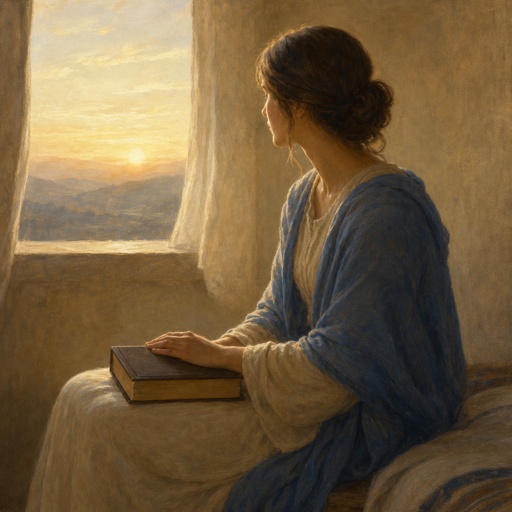
"I wait for the LORD, my soul doth wait, and in his word do I hope." - Psalms 130:5

"My soul waiteth for the Lord more than they that watch for the morning: I say, more than they that watch for the morning." - Psalms 130:6
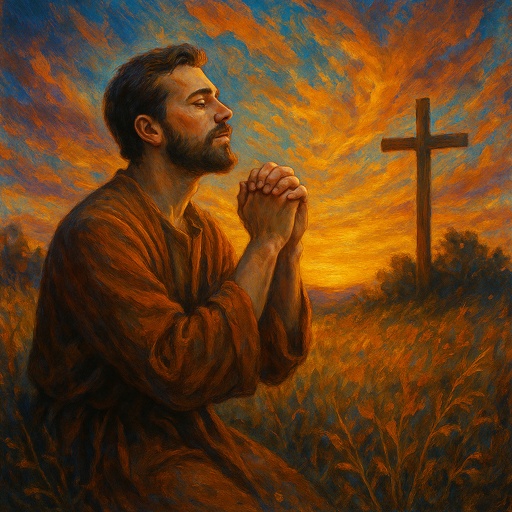
"I wait for the LORD, my soul doth wait, and in his word do I hope." - Psalms 130:5
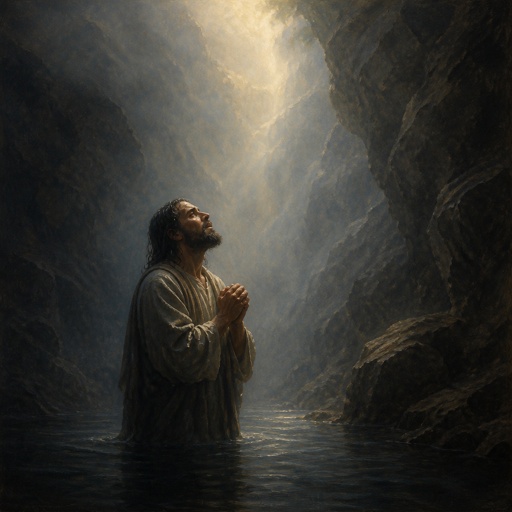
"Out of the depths have I cried unto thee, O LORD." - Psalms 130:1
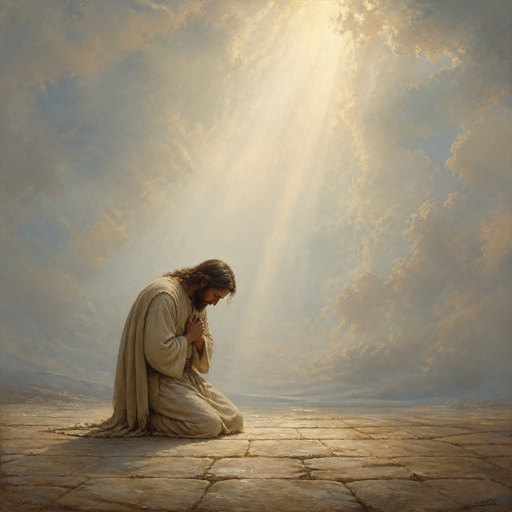
"If thou, LORD, shouldest mark iniquities, O Lord, who shall stand?" - Psalms 130:3
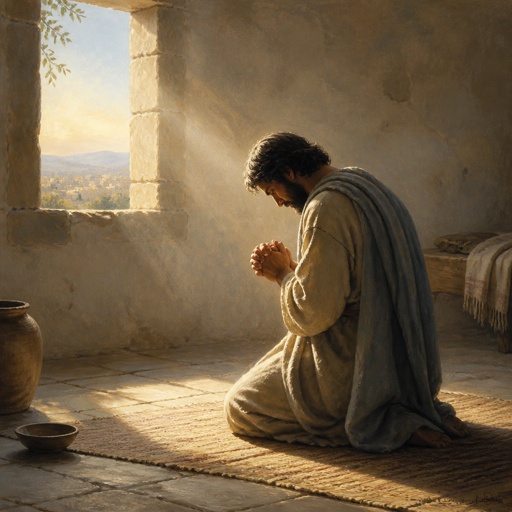
"Lord, hear my voice: let thine ears be attentive to the voice of my supplications." - Psalms 130:2
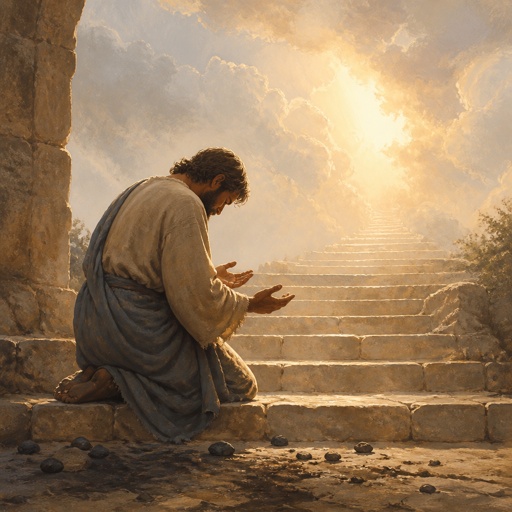
"If thou, Lord, shouldest mark iniquities, O Lord, who shall stand? But there is forgiveness with thee, that thou mayest be feared." - Psalm 130:3-4

Psalms 114:4 - "The mountains skipped like rams, and the little hills like lambs."

"For this was a statute for Israel, and a law of the God of Jacob." - Psalms 81:4

"For there are no bands in their death: but their strength is firm." - Psalms 73:4

Psalms 104:4 - "Who maketh his angels spirits; his ministers a flaming fire:"

Psalms 63:4 - "Thus will I bless thee while I live: I will lift up my hands in thy name."

"Offer the sacrifices of righteousness, and put your trust in the LORD." - Psalms 4:5

"They wandered in the wilderness in a solitary way; they found no city to dwell in." - Psalms 107:4

"As arrows are in the hand of a mighty man; so are children of the youth." - Psalms 127:4

Psalms 23:4