What does Psalms 131:1 mean?
"LORD, my heart is not haughty, nor mine eyes lofty: neither do I exercise myself in great matters, or in things too high for me." - Psalms 131:1
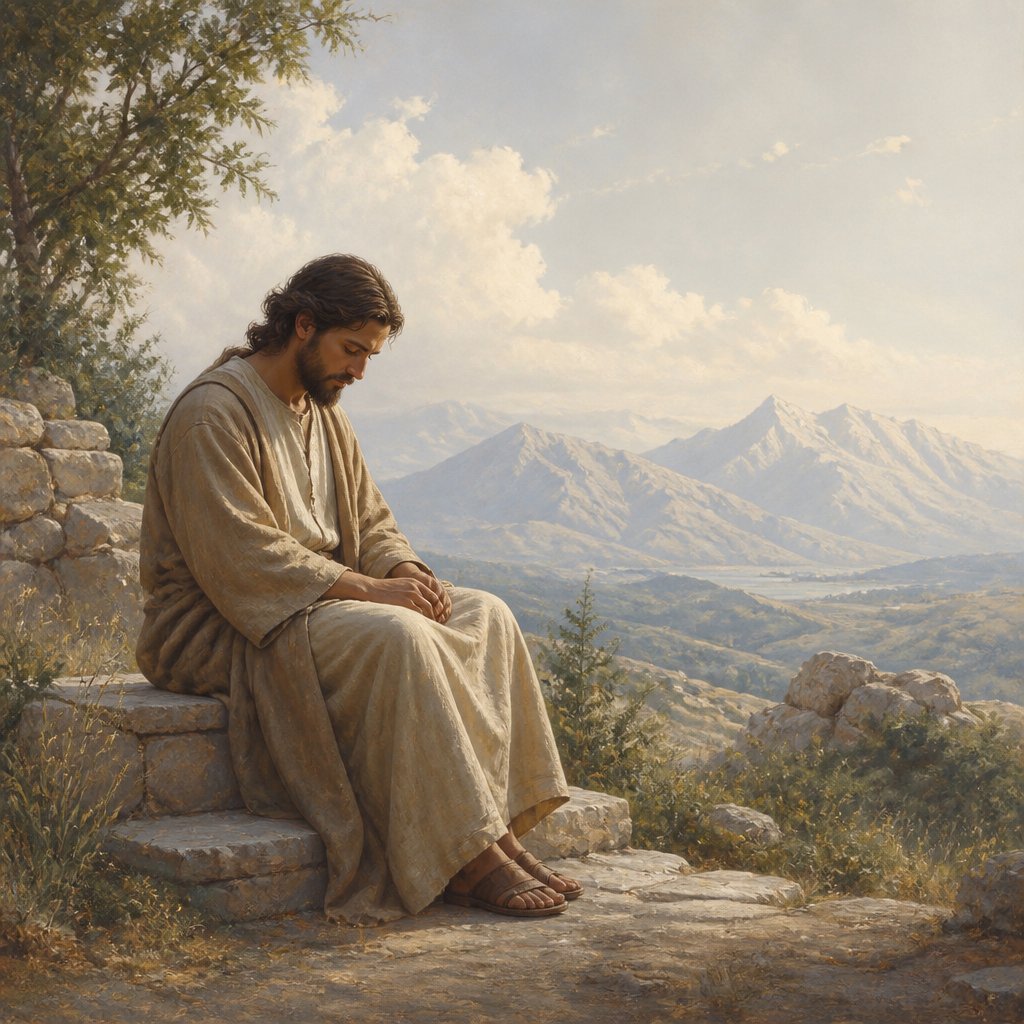
Psalms 131:1 (KJV) reads, "LORD, my heart is not haughty, nor mine eyes lofty: neither do I exercise myself in great matters, or in things too high for me."
This verse is a candid and humble expression of the psalmist's relationship with God. The psalmist, believed to be King David, confesses his lack of pride and arrogance and acknowledges his limitations in the sight of the LORD.
In this verse, the psalmist uses the word "haughty" to describe his heart. The term "haughty" conveys a sense of arrogance, self-importance, and an inflated sense of superiority. By declaring that his heart is not haughty, the psalmist is acknowledging his humility and lack of pride. This humility is crucial for believers who wish to approach God with sincerity and reverence. The psalmist's humble heart is a stark contrast to the attitudes often displayed by the proud and arrogant, which are frequently condemned in the Bible.
The phrase "nor mine eyes lofty" further emphasizes the psalmist's humility. The metaphor of "lofty eyes" is often used in the Bible to symbolize pride and arrogance. In this context, the psalmist is asserting that he does not look down on others or exalt himself above them. Instead, he maintains a posture of humility and acknowledges the worth and dignity of others.
The second part of the verse states, "neither do I exercise myself in great matters, or in things too high for me." This line further emphasizes the psalmist's humility and acknowledgment of his limitations. By expressing that he does not involve himself in "great matters" or "things too high for me," the psalmist conveys a sense of contentment and trust in God's sovereignty. He recognizes that there are matters beyond his understanding and control and does not seek to manipulate or dominate them. Instead, he surrenders to God's wisdom and guidance.
The themes highlighted in this verse include humility, trust in God, and contentment. The verse underscores the importance of humility in the life of a believer, emphasizing the need to approach God with a contrite and humble heart. The psalmist's proclamation reflects the biblical teachings on the virtue of humility and the dangers of pride, which are recurrent themes in the Bible.
The context of this verse is significant in understanding its meaning and relevance. The Book of Psalms is a collection of poetic and lyrical prayers, hymns, and expressions of faith. It is often attributed to King David, who is described in the Bible as "a man after God’s own heart." The psalms encompass a wide range of emotions and experiences, reflecting the highs and lows of human life and the complexities of faith. This particular verse, found in Psalm 131, is a prayer of humility and trust, expressing the psalmist's reliance on God and sincere desire to walk in humility and contentment.
Symbolism in this verse is represented through the use of imagery and metaphor to convey spiritual truths. The heart is a symbol of the innermost being and emotions, while the eyes symbolize perception and understanding. The use of these symbols serves to amplify the psalmist's message of humility and contentment and emphasizes the contrast between the humble heart and the lofty eyes, representing the contrast between humility and pride.
In conclusion, Psalms 131:1 (KJV) holds a profound and timeless message about the importance of humility, trust in God, and contentment. The verse serves as a reminder to believers to approach God with a humble and contrite heart, acknowledging our limitations and surrendering to God's wisdom and sovereignty. It emphasizes the dangers of pride and the virtues of humility, offering a timeless lesson in faith and spirituality.
Have questions about Psalms 131:1?
Dive deeper into this scripture with Bible Chat — an AI-powered tool for exploring God's Word through conversation. Ask questions, get context, and grow in your understanding of the Bible.
Get Our Apps


Psalms 131:1 Artwork

Psalms 131:1 - "LORD, my heart is not haughty, nor mine eyes lofty: neither do I exercise myself in great matters, or in things too high for me."
"LORD, my heart is not haughty, nor mine eyes lofty: neither do I exercise myself in great matters, or in things too high for me." - Psalms 131:1

Psalms 131:3 - "Let Israel hope in the LORD from henceforth and for ever."

Psalms 119:131 - "I opened my mouth, and panted: for I longed for thy commandments."

Psalms 131:2 - "Surely I have behaved and quieted myself, as a child that is weaned of his mother: my soul is even as a weaned child."
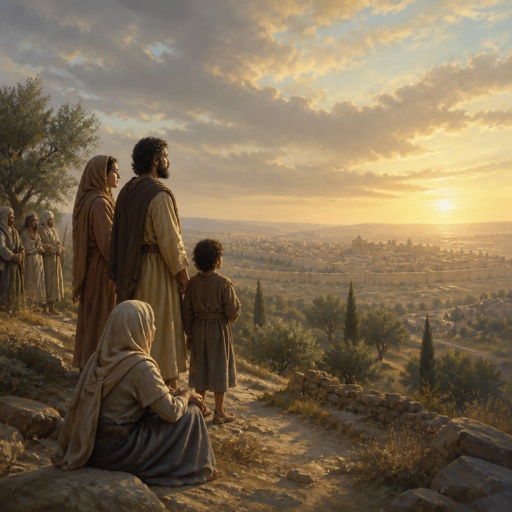
"Let Israel hope in the LORD from henceforth and for ever." - Psalms 131:3
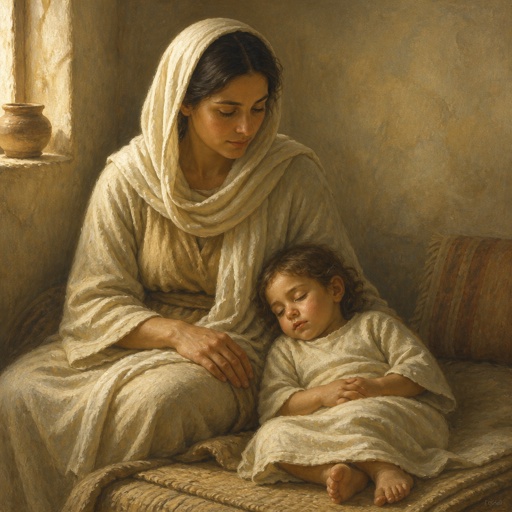
"Surely I have behaved and quieted myself, as a child that is weaned of his mother: my soul is even as a weaned child." - Psalms 131:2
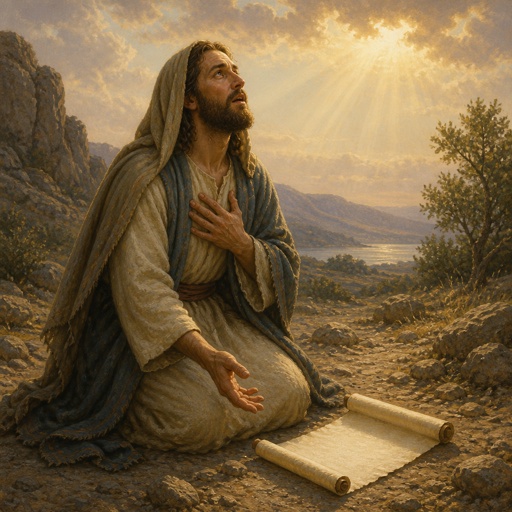
"I opened my mouth, and panted: for I longed for thy commandments." - Psalms 119:131

Show the Divine Order seen in Romans 131:7 with the Beastly Rule seen in Revelation 13:1-10.

Show the Divine Order seen in Romans 131:7 with the Beastly Rule seen in Revelation 13:1-10.

Show the Divine Order seen in Romans 131:7 with the Beastly Rule seen in Revelation 13:1-10.

Show the Divine Order seen in Romans 131:7 with the Beastly Rule seen in Revelation 13:1-10.
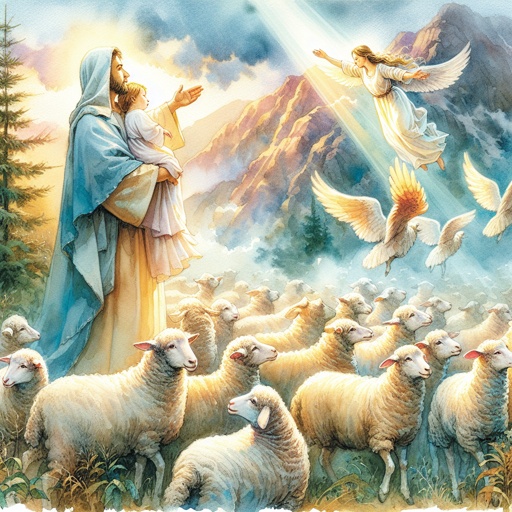
psalm 80:1-7

Psalms 128:1 - "Blessed is every one that feareth the LORD; that walketh in his ways."

Psalms 122:1 - "I was glad when they said unto me, Let us go into the house of the LORD."

Psalms 15:1 (KJVA) 1 A Psalm of David. LORD, who shall abide in thy tabernacle? who shall dwell in thy holy hill?

Show the Divine Order of government authority seen in Romans 131:7 contrasted with the Beastly Rule faced in Revelation 13:1-10.

Psalms 15:1 (KJVA) 1 A Psalm of David. LORD, who shall abide in thy tabernacle? who shall dwell in thy holy hill?

Psalms 64:1 - "Hear my voice, O God, in my prayer: preserve my life from fear of the enemy."

Psalms 14:1 (KJVA) 1 To the chief Musician, A Psalm of David. The fool hath said in his heart, There is no God. They are corrupt, they have done abominable works, there is none that doeth good.

Psalms 14:1 (KJVA) 1 To the chief Musician, A Psalm of David. The fool hath said in his heart, There is no God. They are corrupt, they have done abominable works, there is none that doeth good.

Psalms 14:1 (KJVA) 1 To the chief Musician, A Psalm of David. The fool hath said in his heart, There is no God. They are corrupt, they have done abominable works, there is none that doeth good.

Psalms 14:1 (KJVA) 1 To the chief Musician, A Psalm of David. The fool hath said in his heart, There is no God. They are corrupt, they have done abominable works, there is none that doeth good.

Psalms 14:1 (KJVA) 1 To the chief Musician, A Psalm of David. The fool hath said in his heart, There is no God. They are corrupt, they have done abominable works, there is none that doeth good.

Psalms 14:1 (KJVA) 1 To the chief Musician, A Psalm of David. The fool hath said in his heart, There is no God. They are corrupt, they have done abominable works, there is none that doeth good.

Psalms 14:1 (KJVA) 1 To the chief Musician, A Psalm of David. The fool hath said in his heart, There is no God. They are corrupt, they have done abominable works, there is none that doeth good.

Psalms 14:1 (KJVA) 1 To the chief Musician, A Psalm of David. The fool hath said in his heart, There is no God. They are corrupt, they have done abominable works, there is none that doeth good.

"The LORD is my shepherd; I shall not want." - Psalms 23:1

Psalms 55:1 - "Give ear to my prayer, O God; and hide not thyself from my supplication."

Psalms 1:1