What does Psalms 135:16 mean?
“They have mouths, but they speak not; eyes have they, but they see not;” — Psalms 135:16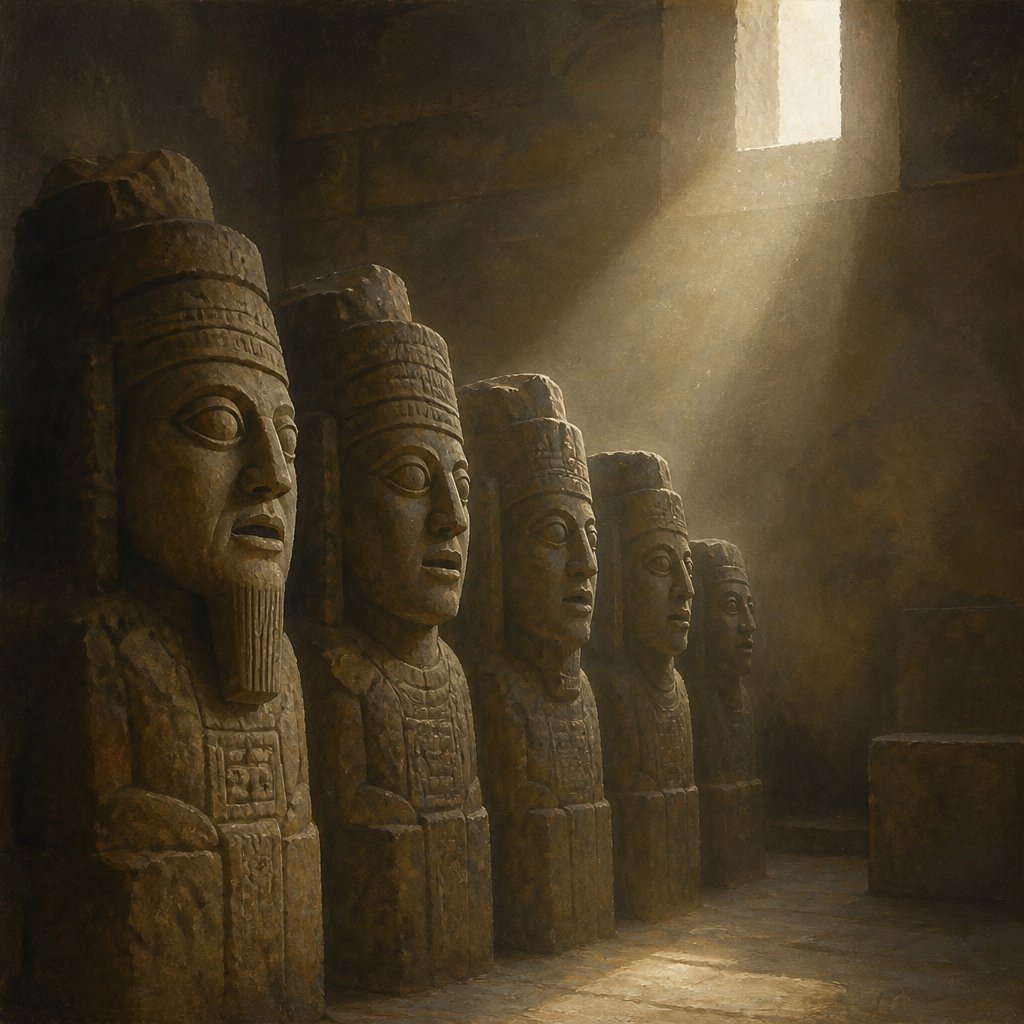
The verse Psalms 135:16 from the King James Version of the Bible states, "They have mouths, but they speak not; eyes have they, but they see not." This verse is a part of a larger passage that praises the greatness and sovereignty of God, contrasting Him with the false gods of the nations. It is a call for the people of Israel to worship and trust in the Lord, the one true God, above all else.
The theme of this verse is the futility of idolatry and the emptiness of false gods. Throughout the Old Testament, the Israelites are warned against worshipping idols and false gods, as these are lifeless, powerless creations of human hands. This verse serves as a reminder that the idols of the nations are nothing more than man-made objects, incapable of speaking, seeing, or providing any form of guidance or help. The verse highlights the absurdity of worshipping these idols and emphasizes the superiority of the living God.
The context of this verse is important for understanding its significance. In the broader context of Psalm 135, the psalmist celebrates the Lord's supremacy over all other gods and praises Him for His power, goodness, and faithfulness. The psalm contrasts the Lord, who is alive and active, with the lifeless idols of the nations. The psalmist calls on the people of Israel to praise and trust in the Lord, who alone is worthy of their worship and devotion.
In a wider biblical context, this verse can be seen as part of a recurring theme throughout the Bible that condemns the worship of false gods and idols. The Ten Commandments explicitly prohibit the worship of idols, and the prophets repeatedly warn against the folly of trusting in man-made objects. The New Testament also affirms the futility of idolatry, emphasizing the need for true faith in the living God.
The symbolism of this verse lies in the contrast between the inanimate idols of the nations and the living, active God of Israel. The imagery of mouths that do not speak and eyes that do not see paints a vivid picture of the worthlessness of idols. It serves as a powerful metaphor for the emptiness and powerlessness of false gods, highlighting the difference between the true God who is living and active and the lifeless idols of the nations.
The message of this verse is timeless and applicable to believers today. While most people do not engage in literal idol worship, the concept of false gods and idols can still be relevant in the modern world. Anything that we place above God in our lives can become an idol – whether it be material possessions, personal success, or even relationships. This verse serves as a warning against idolatry in all its forms, reminding believers to put their trust in the living God rather than in powerless and empty substitutes.
In conclusion, Psalms 135:16 from the King James Version of the Bible serves as a powerful reminder of the futility of idolatry and the superiority of the living God. Its themes of worship, trust, and the sovereignty of God are timeless and applicable to believers of all generations. The verse's vivid imagery and symbolism serve as a compelling call to worship and trust in the Lord, who alone is worthy of our devotion.
Get our apps


Artwork for Psalms 135:16

Psalms 135:16 - "They have mouths, but they speak not; eyes have they, but they see not;"
"They have mouths, but they speak not; eyes have they, but they see not;" - Psalms 135:16

Psalms 135 : 14

Psalms 135:15 - "The idols of the heathen are silver and gold, the work of men's hands."

Psalms 135:10 - "Who smote great nations, and slew mighty kings;"

"Who smote great nations, and slew mighty kings;" - Psalms 135:10
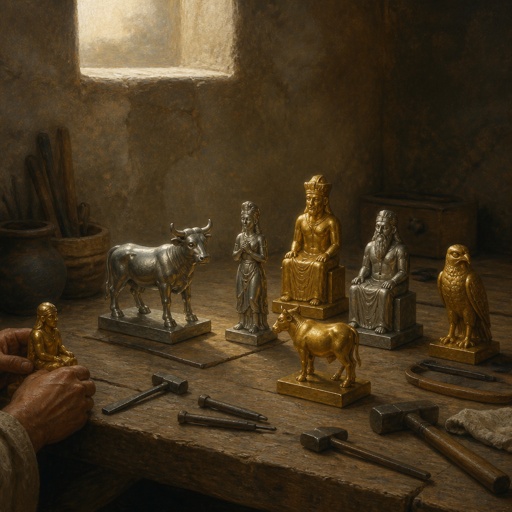
"The idols of the heathen are silver and gold, the work of men's hands." - Psalms 135:15

Psalms 135:2 - "Ye that stand in the house of the LORD, in the courts of the house of our God,"

"Sihon king of the Amorites, and Og king of Bashan, and all the kingdoms of Canaan:" - Psalms 135:11

Psalms 135:8 - "Who smote the firstborn of Egypt, both of man and beast."

Psalms 135:17 - "They have ears, but they hear not; neither is there any breath in their mouths."

Psalms 135:11 - "Sihon king of the Amorites, and Og king of Bashan, and all the kingdoms of Canaan:"

Psalms 135:12 - "And gave their land for an heritage, an heritage unto Israel his people."

Psalms 135:20 - "Bless the LORD, O house of Levi: ye that fear the LORD, bless the LORD."

Psalms 135:14 - "For the LORD will judge his people, and he will repent himself concerning his servants."

Psalms 135:4 - "For the LORD hath chosen Jacob unto himself, and Israel for his peculiar treasure."

Psalms 135:5 - "For I know that the LORD is great, and that our Lord is above all gods."

Psalms 119:135 - "Make thy face to shine upon thy servant; and teach me thy statutes."

"For the LORD will judge his people, and he will repent himself concerning his servants." - Psalms 135:14

Psalms 135:19 - "Bless the LORD, O house of Israel: bless the LORD, O house of Aaron:"

Psalms 135:18 - "They that make them are like unto them: so is every one that trusteth in them."

Psalms 135:3 - "Praise the LORD; for the LORD is good: sing praises unto his name; for it is pleasant."

Psalms 135:21 - "Blessed be the LORD out of Zion, which dwelleth at Jerusalem. Praise ye the LORD."

"Make thy face to shine upon thy servant; and teach me thy statutes." - Psalms 119:135

Psalms 135:13 - "Thy name, O LORD, endureth for ever; and thy memorial, O LORD, throughout all generations."

Psalms 135:6 - "Whatsoever the LORD pleased, that did he in heaven, and in earth, in the seas, and all deep places."

"Whatsoever the LORD pleased, that did he in heaven, and in earth, in the seas, and all deep places." - Psalms 135:6

Psalms 135:1 - "Praise ye the LORD. Praise ye the name of the LORD; praise him, O ye servants of the LORD."

Psalms 135:9 - "Who sent tokens and wonders into the midst of thee, O Egypt, upon Pharaoh, and upon all his servants."
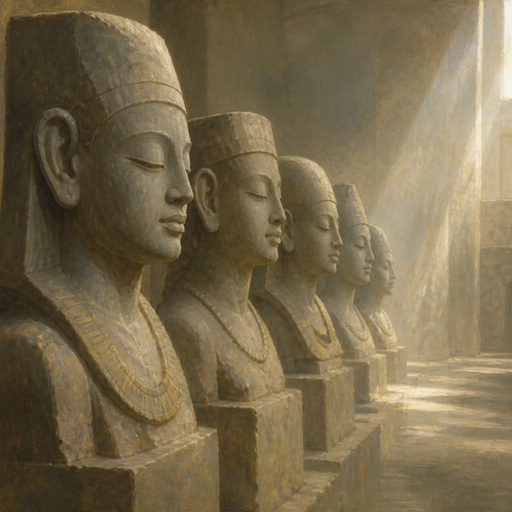
"They have ears, but they hear not; neither is there any breath in their mouths." - Psalms 135:17