What does Psalms 137:2 mean?
“We hanged our harps upon the willows in the midst thereof.” — Psalms 137:2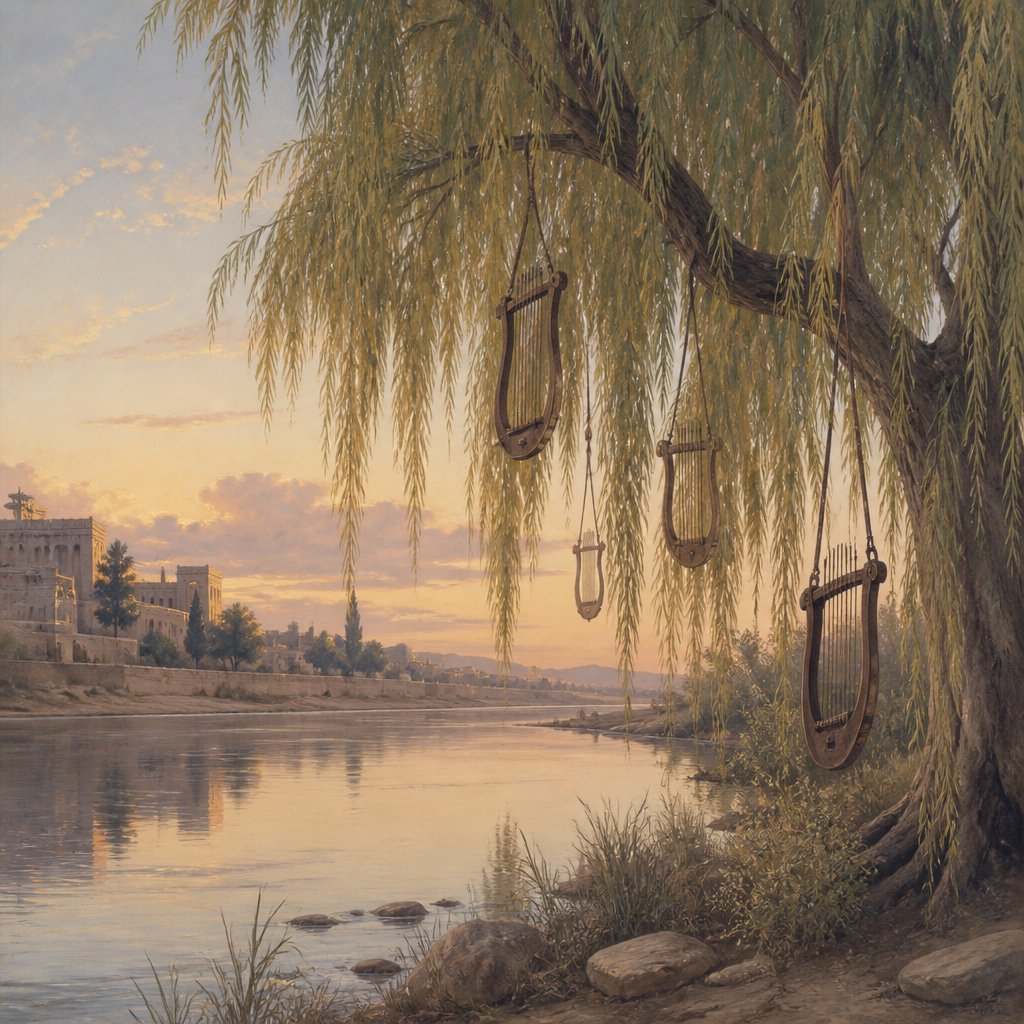
Psalms 137:2 in the King James Version of the Bible reads, "We hanged our harps upon the willows in the midst thereof." This verse comes from a passage of the psalm that reflects the deep sorrow and longing of the Israelites during their exile in Babylon. To fully understand the meaning and connotations of this verse, it is important to consider both the historical and symbolic context in which it is situated.
The book of Psalms is a collection of poems and songs that express a wide range of human emotions, including joy, grief, anger, and praise. Many of the psalms were written during times of distress or exile, and Psalms 137 is no exception. The historical context of this psalm is the Babylonian exile, during which the Israelites were forcibly removed from their homeland and taken captive to Babylon. This traumatic event caused the Israelites to experience deep grief and despair, as they longed for their beloved Jerusalem and its temple.
In verse 2, the act of hanging their harps upon the willows symbolizes the Israelites' loss of joy and music. The harp was a common musical instrument used in the worship of God, and the willow trees were a frequent symbol of sorrow in ancient Near Eastern cultures. By hanging their harps upon the willows, the Israelites were essentially expressing their inability to find any sense of joy or comfort in their current circumstances. This simple act serves as a powerful symbol of their deep sense of loss and longing for their homeland.
The choice of the willow tree is also significant in this verse. In many cultures, willow trees are associated with mourning and sorrow. The fact that the Israelites chose to hang their harps on the willows indicates the depth of their grief and their inability to find solace or comfort in their surroundings. The harp, as a symbol of joy and worship, would have been a painful reminder of the worship and music that was an integral part of their lives in Jerusalem.
Furthermore, the act of hanging their harps can also be seen as a form of protest and defiance. The Israelites were being forced to adapt to a new way of life in Babylon, and they may have felt pressured to assimilate into the culture of their captors. By refusing to play their harps and instead hanging them upon the willows, the Israelites were symbolically rejecting the idea of finding joy or comfort in their exile. This act serves as a form of resistance against the oppression and loss they were experiencing.
In a broader sense, this verse serves as a reminder of the power of music and worship in the lives of the Israelites. The harp was an integral part of their worship and cultural identity, and the act of hanging their harps represents the displacement and loss that they felt during their exile. It also speaks to the importance of maintaining one's cultural and religious identity in the face of adversity and hardship.
In conclusion, Psalms 137:2 is a poignant and powerful verse that encapsulates the grief, loss, and longing of the Israelites during their exile in Babylon. The act of hanging their harps upon the willows serves as a symbol of their deep sorrow and the displacement they felt, as well as a form of resistance against assimilation. This verse reminds us of the power of music and worship in our lives, and the need to hold onto our cultural and religious identity in the face of hardship and oppression.
Get our apps


Artwork for Psalms 137:2

Psalms 137:2 - "We hanged our harps upon the willows in the midst thereof."

"We hanged our harps upon the willows in the midst thereof." - Psalms 137:2

"Righteous art thou, O LORD, and upright are thy judgments." - Psalms 119:137

Psalms 119:137 - "Righteous art thou, O LORD, and upright are thy judgments."

"How shall we sing the LORD'S song in a strange land?" - Psalms 137:4

Psalms 137:4 - "How shall we sing the LORD'S song in a strange land?"

Psalms 137:9 - "Happy shall he be, that taketh and dasheth thy little ones against the stones."

"Happy shall he be, that taketh and dasheth thy little ones against the stones." - Psalms 137:9

Psalms 137:1 - "By the rivers of Babylon, there we sat down, yea, we wept, when we remembered Zion."

Psalms 137:5 - "If I forget thee, O Jerusalem, let my right hand forget her cunning."

"If I forget thee, O Jerusalem, let my right hand forget her cunning." - Psalms 137:5

Psalms 137:7 - "Remember, O LORD, the children of Edom in the day of Jerusalem; who said, Rase it, rase it, even to the foundation thereof."

"By the rivers of Babylon, there we sat down, yea, we wept, when we remembered Zion." - Psalms 137:1

Psalms 137:8 - "O daughter of Babylon, who art to be destroyed; happy shall he be, that rewardeth thee as thou hast served us."

PSALMS 137;5 SHOWING THE OLD CITY OF JERUSALEM

"O daughter of Babylon, who art to be destroyed; happy shall he be, that rewardeth thee as thou hast served us." - Psalms 137:8

Psalms 137:3 - "For there they that carried us away captive required of us a song; and they that wasted us required of us mirth, saying, Sing us one of the songs of Zion."

Psalms 137:6 - "If I do not remember thee, let my tongue cleave to the roof of my mouth; if I prefer not Jerusalem above my chief joy."

"If I do not remember thee, let my tongue cleave to the roof of my mouth; if I prefer not Jerusalem above my chief joy." - Psalms 137:6

"For there they that carried us away captive required of us a song; and they that wasted us required of us mirth, saying, Sing us one of the songs of Zion." - Psalms 137:3
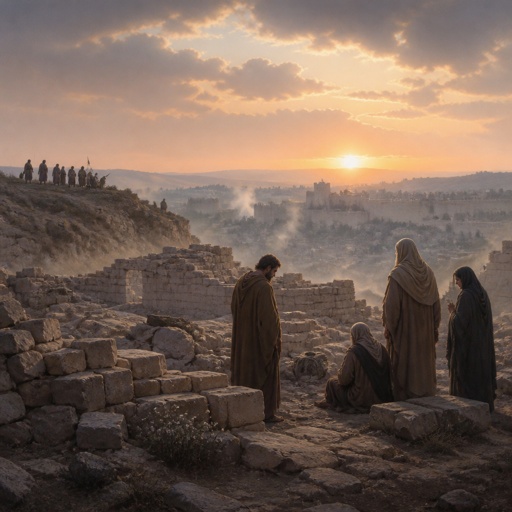
"Remember, O LORD, the children of Edom in the day of Jerusalem; who said, Rase it, rase it, even to the foundation thereof." - Psalms 137:7

Psalms 81:2 - "Take a psalm, and bring hither the timbrel, the pleasant harp with the psaltery."
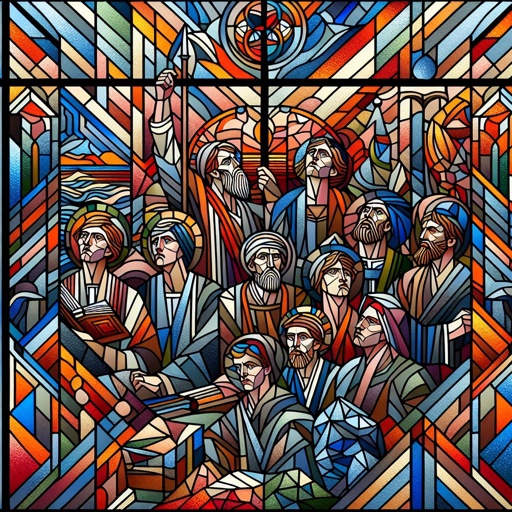
Psalms 115:2 - "Wherefore should the heathen say, Where is now their God?"
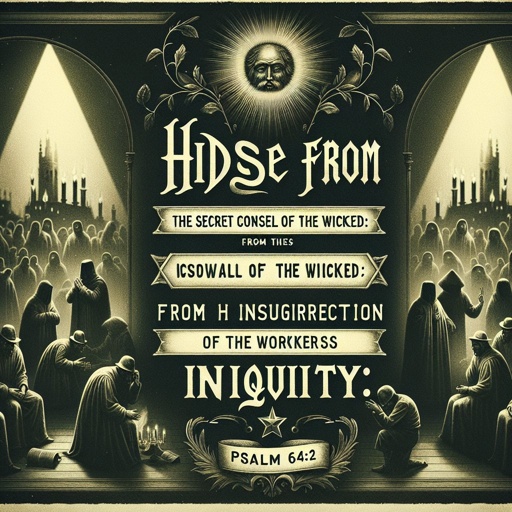
Psalms 64:2 - "Hide me from the secret counsel of the wicked; from the insurrection of the workers of iniquity:"

"Take a psalm, and bring hither the timbrel, the pleasant harp with the psaltery." - Psalms 81:2

Psalms 54:2 - "Hear my prayer, O God; give ear to the words of my mouth."

Psalms 149:2 - "Let Israel rejoice in him that made him: let the children of Zion be joyful in their King."

Psalms 5:2 - "Hearken unto the voice of my cry, my King, and my God: for unto thee will I pray."

Psalms 17:2 - "Let my sentence come forth from thy presence; let thine eyes behold the things that are equal."

Psalms 133:2 - "It is like the precious ointment upon the head, that ran down upon the beard, even Aaron's beard: that went down to the skirts of his garments;"