What does Psalms 138:3 mean?
“In the day when I cried thou answeredst me, and strengthenedst me with strength in my soul.” — Psalms 138:3
Psalm 138 is a song of David spoken as thanksgiving after God has answered him. The whole psalm moves from private praise to public witness. David begins by blessing the LORD “with my whole heart” and giving thanks for God’s “lovingkindness” and “truth,” and he looks beyond his own life to the day when “all the kings of the earth” will praise the LORD because they have heard His words. In that flow, Psalm 138:3 stands as the hinge: it is the personal testimony that explains why praise rises so confidently and why David can speak as though God’s purposes are already sure.
The verse in the KJV reads, “In the day when I cried thou answeredst me, and strengthenedst me with strength in my soul.” Its meaning begins with the simplicity of a relationship: David cries, and God answers. “In the day” does not have to mean a single calendar day only; in the language of the Psalms it often points to the time or season of pressing need, the moment when distress becomes prayer. The verb “cried” is the sound of urgency. It is not a casual request but a plea born from pressure, fear, grief, danger, or overwhelming responsibility. David does not portray himself as self-sufficient; he shows the posture of dependence that runs through the Psalms, where trouble becomes the doorway into communion with God.
“Thou answeredst me” speaks of God’s responsiveness. The psalm does not reduce God to an impersonal force or a distant judge; David addresses Him directly and expects a reply. In Scripture, God’s “answer” is sometimes deliverance that changes circumstances, sometimes guidance that clarifies the path, sometimes rebuke that restores, sometimes reassurance that steadies the heart. Psalm 138 emphasizes that God has “magnified” His “word” (Psalm 138:2), so God’s answer is bound up with His faithfulness to what He has spoken. David’s confidence is not rooted in mood or chance but in the character of the LORD who keeps His word.
The second half of the verse deepens the kind of answer David received: “and strengthenedst me with strength in my soul.” The psalm does not say first that God removed the threat, solved the problem, or altered the external scene, though God may do those things. It says God strengthened him inwardly. The “soul” in KJV language points to the inner life, the seat of desire, fear, resolve, and worship. This is a major biblical theme: God’s help is not only the changing of what is around us but the fortifying of what is within us. David’s testimony is that when he cried, God met him at the deepest level, giving him a kind of strength that circumstances cannot easily steal.
The wording “strengthenedst me with strength” is emphatic, like a doubling for intensity. It suggests more than a slight encouragement; it conveys reinforcement, the granting of power to endure, to obey, to continue trusting, and to keep praising. Symbolically, this is the difference between merely receiving an external rescue and receiving an internal renewal. The outward world may still be unsettled, but the soul becomes braced, made firm, enlarged in courage. This is why Psalm 138 can move from personal gratitude to universal confidence: if God gives strength in the soul, then the believer is not only spared but also transformed, fitted to bear witness and to walk on.
In the context of Psalm 138, that inward strengthening explains David’s boldness in worship and his refusal to hide his gratitude. He says, “I will praise thee with my whole heart” and speaks of worship “toward thy holy temple” (Psalm 138:1–2). The temple imagery signals God’s dwelling and kingship; to worship toward the temple is to orient life toward God’s presence and rule. Psalm 138:3 shows that this orientation is not abstract piety. It is the fruit of answered prayer. David’s worship is the response of a man who has been upheld where it matters most.
The verse also carries a quiet kingdom theme. David is the king, yet he testifies that his true strength does not originate in the throne, armies, strategy, or reputation, but in God’s strengthening of his soul. That theme prepares for what the psalm later declares: “Though the LORD be high, yet hath he respect unto the lowly” (Psalm 138:6). The “lowly” are those who know their need, who cry. Psalm 138:3 embodies that lowliness, and God’s answer becomes a sign of His gracious attention.
Finally, Psalm 138:3 contributes to the psalm’s larger assurance about God completing what He begins: “The LORD will perfect that which concerneth me” (Psalm 138:8). The strength in the soul is part of that perfection, that finishing work of God in a person’s life. David’s prayer is not only that God will act, but that God will sustain him through the acting. The significance of Psalm 138:3, then, is that it portrays prayer as real communion, God as truly responsive, and divine help as an inward empowerment that anchors outward praise. It teaches that the day of crying is not wasted time; it can become the day of answering, and the answer may be the gift of strength placed by God within the soul itself.
Get our apps


Artwork for Psalms 138:3

Psalms 138:3 - "In the day when I cried thou answeredst me, and strengthenedst me with strength in my soul."

"In the day when I cried thou answeredst me, and strengthenedst me with strength in my soul." - Psalms 138:3

"Thy testimonies that thou hast commanded are righteous and very faithful." - Psalms 119:138

Psalms 138:5 - "Yea, they shall sing in the ways of the LORD: for great is the glory of the LORD."

Psalms 119:138 - "Thy testimonies that thou hast commanded are righteous and very faithful."

Psalms 138:1 - "I will praise thee with my whole heart: before the gods will I sing praise unto thee."

Psalms 138:4 - "All the kings of the earth shall praise thee, O LORD, when they hear the words of thy mouth."

Psalms 138:6 - "Though the LORD be high, yet hath he respect unto the lowly: but the proud he knoweth afar off."

Psalms 138:8 - "The LORD will perfect that which concerneth me: thy mercy, O LORD, endureth for ever: forsake not the works of thine own hands."

"Yea, they shall sing in the ways of the LORD: for great is the glory of the LORD." - Psalms 138:5
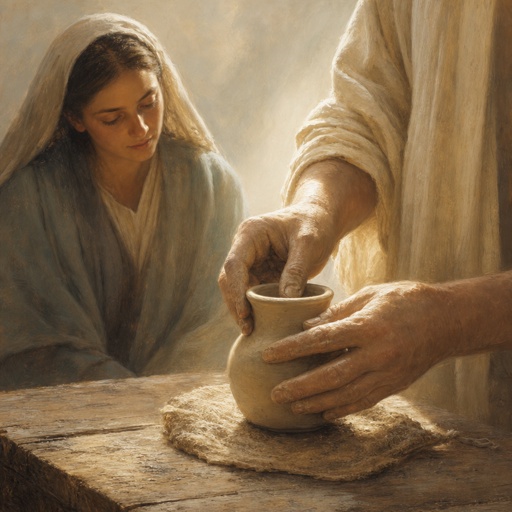
"The LORD will perfect that which concerneth me: thy mercy, O LORD, endureth for ever: forsake not the works of thine own hands." - Psalms 138:8

"The LORD will perfect that which concerneth me: thy mercy, O LORD, endureth for ever: forsake not the works of thine own hands." - Psalms 138:8
!["In the day when I cried thou answeredst me, [and] strengthenedst me [with] strength in my soul." - Psalm 138:3](https://media.bible.art/c69154d6-cdb8-4fd8-9e58-f8dedce4a2c5-thumbnail.jpg)
"In the day when I cried thou answeredst me, [and] strengthenedst me [with] strength in my soul." - Psalm 138:3
!["In the day when I cried thou answeredst me, [and] strengthenedst me [with] strength in my soul." - Psalm 138:3](https://media.bible.art/654c39fd-097e-40a4-8857-091d15439dd3-thumbnail.jpg)
"In the day when I cried thou answeredst me, [and] strengthenedst me [with] strength in my soul." - Psalm 138:3

I will praise thee with my whole heart: before the gods will I sing praise unto thee. Psalms 138:1

Psalms 138:2 - "I will worship toward thy holy temple, and praise thy name for thy lovingkindness and for thy truth: for thou hast magnified thy word above all thy name."

I will praise thee with my whole heart: before the gods will I sing praise unto thee. Psalms 138:1

I will praise thee with my whole heart: before the gods will I sing praise unto thee. Psalms 138:1

I will praise thee with my whole heart: before the gods will I sing praise unto thee. Psalms 138:1

Psalms 138:7 - "Though I walk in the midst of trouble, thou wilt revive me: thou shalt stretch forth thine hand against the wrath of mine enemies, and thy right hand shall save me."

"All the kings of the earth shall praise thee, O LORD, when they hear the words of thy mouth." - Psalms 138:4

"I will praise thee with my whole heart: before the gods will I sing praise unto thee." - Psalms 138:1

"Though the LORD be high, yet hath he respect unto the lowly: but the proud he knoweth afar off." - Psalms 138:6
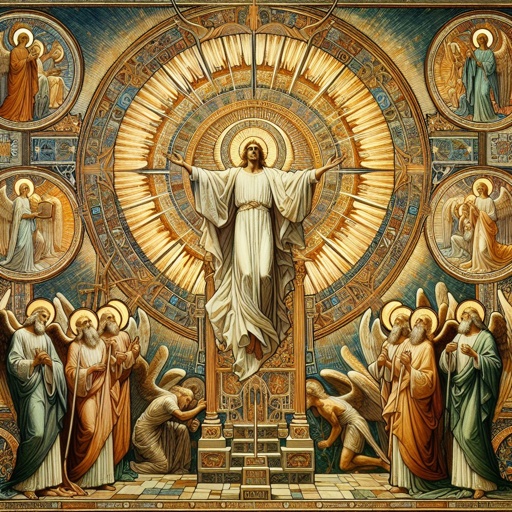
Psalms 111:3 - "His work is honourable and glorious: and his righteousness endureth for ever."

"Though I walk in the midst of trouble, thou wilt revive me: thou shalt stretch forth thine hand against the wrath of mine enemies, and thy right hand shall save me." - Psalms 138:7

Psalms 88:3 - "For my soul is full of troubles: and my life draweth nigh unto the grave."

Psalms 103:3 - "Who forgiveth all thine iniquities; who healeth all thy diseases;"

Psalms 87:3 - "Glorious things are spoken of thee, O city of God. Selah."

Psalms 67:3 - "Let the people praise thee, O God; let all the people praise thee."

Psalms 116:3 - "The sorrows of death compassed me, and the pains of hell gat hold upon me: I found trouble and sorrow."