What does Psalms 139:19 mean?
“Surely thou wilt slay the wicked, O God: depart from me therefore, ye bloody men.” — Psalms 139:19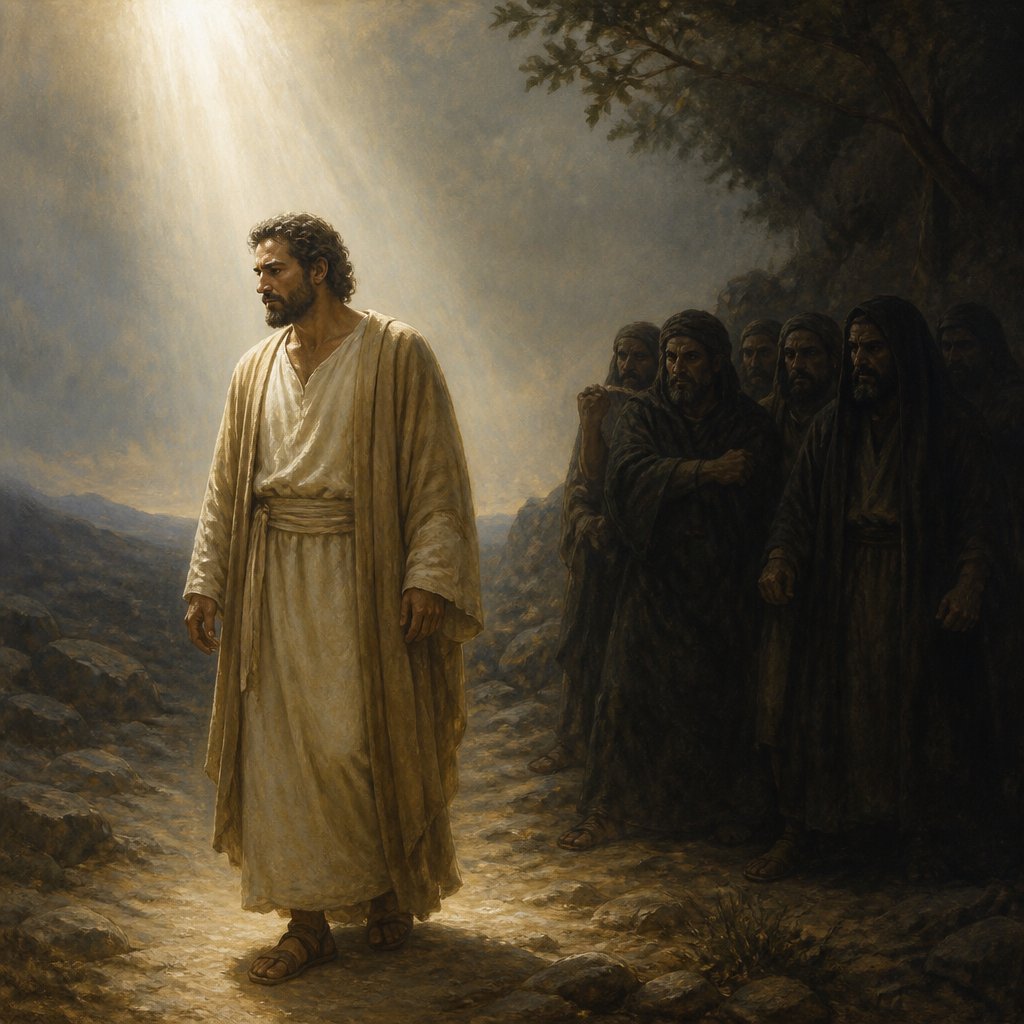
The Bible verse Psalms 139:19 in the King James Version (KJV) states, "Surely thou wilt slay the wicked, O God: depart from me therefore, ye bloody men." This verse is a powerful declaration of God's righteousness and justice, and it reveals the psalmist's deep trust in God's judgment of the wicked.
To understand the meaning and significance of this verse, it is important to explore the context in which it is found. Psalm 139 is a psalm of praise to God for His omnipotence and omniscience. In the preceding verses, the psalmist marvels at God's intimate knowledge of him, declaring, "O LORD, thou hast searched me, and known me" (Psalms 139:1, KJV). Throughout the psalm, the psalmist expresses his awe and gratitude for God's presence in every aspect of his life. The psalmist acknowledges that God sees and knows all things, and there is nowhere he can go to escape from God's presence.
In verse 19, the psalmist shifts from praising God's intimate knowledge of him to a declaration of God's judgment on the wicked. The psalmist is confident in God's righteousness and justice, and he is assured that God will ultimately deal with the wicked. The word "wilt" in the phrase "Surely thou wilt slay the wicked" conveys a sense of inevitability and certainty. The psalmist is not pleading with God to punish the wicked, but rather stating his faith and confidence in God's character and judgment.
The psalmist goes on to address the wicked directly, commanding them to "depart from me therefore, ye bloody men." This is a clear and strong declaration of the psalmist's rejection of the wicked and his desire to separate himself from them. The phrase "bloody men" could refer to those who are guilty of shedding blood unjustly, or it could symbolize those who are unrepentant in their wicked ways. In either case, the psalmist is expressing his refusal to associate with the wicked and his wholehearted commitment to righteousness.
One of the key themes of Psalm 139:19 is the contrast between the righteous and the wicked. The psalmist recognizes the ultimate separation between those who follow God and those who reject Him. He affirms his allegiance to God and his rejection of the unrighteous. This theme is consistent throughout the Bible, as it emphasizes the importance of living a life of righteousness and holiness before God.
Another important theme in this verse is the justice of God. The psalmist's confidence in God's judgment of the wicked demonstrates a deep trust in God's righteousness. This theme is also found throughout the Bible, as it underscores the belief that God will ultimately bring justice to the world and right all wrongs. The psalmist's declaration echoes the sentiment expressed in other passages of Scripture, such as in Romans 12:19, which states, "Vengeance is mine; I will repay, saith the Lord."
The symbolic significance of Psalm 139:19 lies in its portrayal of the ultimate victory of righteousness over wickedness. The psalmist's declaration serves as a reminder of the certainty of God's judgment and the inevitable defeat of the wicked. It also symbolizes the believer's stance against evil and his commitment to aligning himself with God's will.
In conclusion, Psalm 139:19 in the King James Version is a powerful declaration of the psalmist's confidence in God's righteousness and judgment. It reflects a deep trust in God's character and a refusal to associate with the wicked. The verse is rich in themes of righteousness, justice, and the ultimate victory of good over evil. It serves as a reminder for believers to stand firm in their commitment to God and to trust in His righteous judgment.
Get our apps


Artwork for Psalms 139:19
Psalms 139:19 - "Surely thou wilt slay the wicked, O God: depart from me therefore, ye bloody men."
"Surely thou wilt slay the wicked, O God: depart from me therefore, ye bloody men." - Psalms 139:19

Psalms 139:23 - "Search me, O God, and know my heart: try me, and know my thoughts:"
"If I take the wings of the morning, and dwell in the uttermost parts of the sea;" - Psalms 139:9

Psalms 139:1 - "O LORD, thou hast searched me, and known me."

Psalms 139:9 - "If I take the wings of the morning, and dwell in the uttermost parts of the sea;"

Psalms 139:24 - "And see if there be any wicked way in me, and lead me in the way everlasting."
Psalms 139:4 - "For there is not a word in my tongue, but, lo, O LORD, thou knowest it altogether."

Psalms 139:6 - "Such knowledge is too wonderful for me; it is high, I cannot attain unto it."

"I hate them with perfect hatred: I count them mine enemies." - Psalms 139:22

Psalms 139:20 - "For they speak against thee wickedly, and thine enemies take thy name in vain."

Psalms 139:22 - "I hate them with perfect hatred: I count them mine enemies."

Psalms 139:5 - "Thou hast beset me behind and before, and laid thine hand upon me."

Psalms 139:13 - "For thou hast possessed my reins: thou hast covered me in my mother's womb."

Psalms 139:2 - "Thou knowest my downsitting and mine uprising, thou understandest my thought afar off."

Psalms 139:3 - "Thou compassest my path and my lying down, and art acquainted with all my ways."
Psalms 119:139 - "My zeal hath consumed me, because mine enemies have forgotten thy words."

Psalms 139:10 - "Even there shall thy hand lead me, and thy right hand shall hold me."

Psalms 139:11 - "If I say, Surely the darkness shall cover me; even the night shall be light about me."

Psalms 139:17 - "How precious also are thy thoughts unto me, O God! how great is the sum of them!"
"My zeal hath consumed me, because mine enemies have forgotten thy words." - Psalms 119:139
Psalms 139:12 - "Yea, the darkness hideth not from thee; but the night shineth as the day: the darkness and the light are both alike to thee."
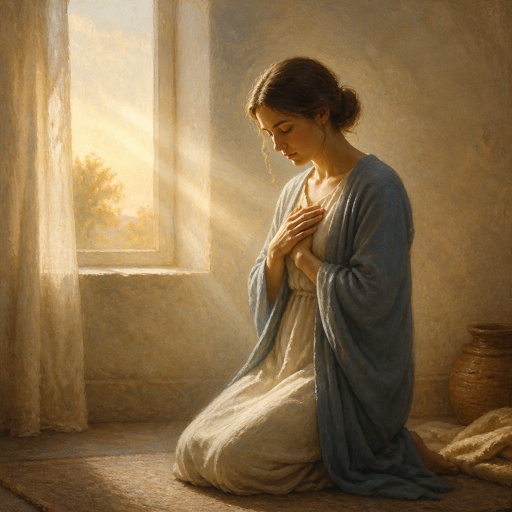
"Search me, O God, and know my heart: try me, and know my thoughts:" - Psalms 139:23

Psalms 139:7 - "Whither shall I go from thy spirit? or whither shall I flee from thy presence?"
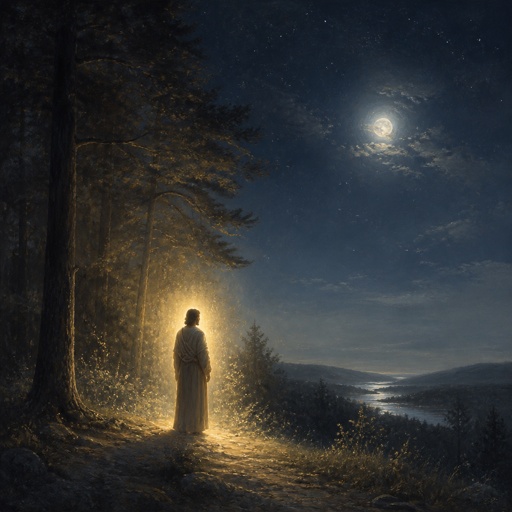
"If I say, Surely the darkness shall cover me; even the night shall be light about me." - Psalms 139:11
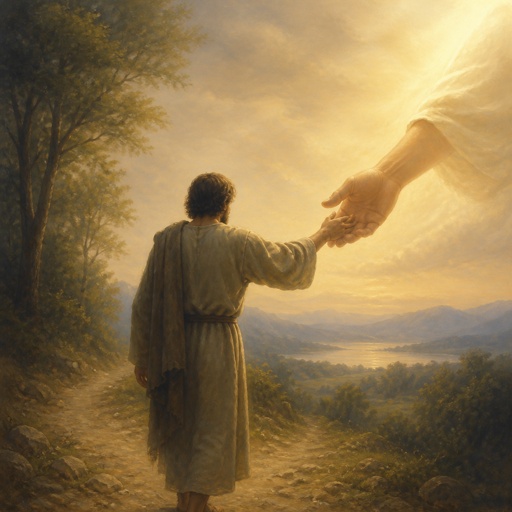
"Even there shall thy hand lead me, and thy right hand shall hold me." - Psalms 139:10

Psalms 139:8 - "If I ascend up into heaven, thou art there: if I make my bed in hell, behold, thou art there."

Psalms 139:15 - "My substance was not hid from thee, when I was made in secret, and curiously wrought in the lowest parts of the earth."
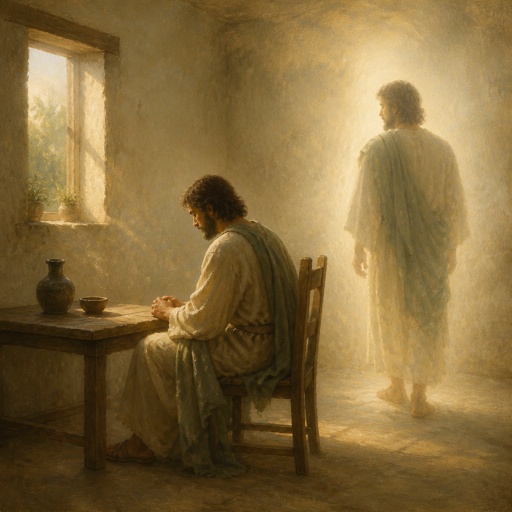
"Thou knowest my downsitting and mine uprising, thou understandest my thought afar off." - Psalms 139:2

"How precious also are thy thoughts unto me, O God! how great is the sum of them!" - Psalms 139:17