What does Psalms 139:9 mean?
“If I take the wings of the morning, and dwell in the uttermost parts of the sea;” — Psalms 139:9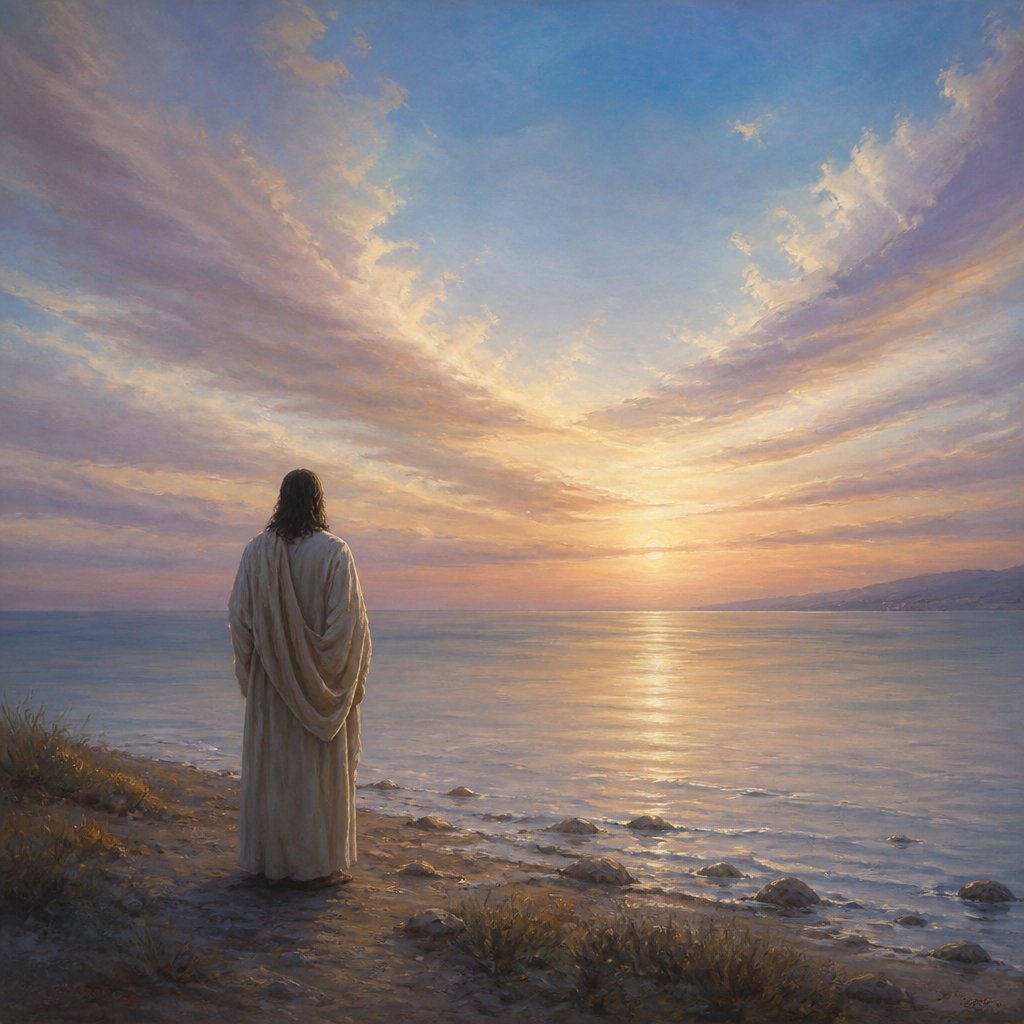
Psalms 139:9 (KJV) reads, "If I take the wings of the morning, and dwell in the uttermost parts of the sea."
Psalms 139 is a deeply personal and introspective Psalm written by King David. In this particular verse, David is expressing the omnipresence of God and how there is no place where God is not present. The King James Version of the Bible uses rich and poetic language to convey the depth and magnitude of this idea.
The use of the phrase "wings of the morning" is a poetic and evocative way of expressing the swiftness and expansiveness of God's presence. In the morning, the sun rises and its light quickly spreads across the earth, illuminating and reaching every corner. By stating that he could "take the wings of the morning," David is acknowledging the omnipresence of God, who is as swift and expansive as the morning light, able to reach every place and every person.
The phrase "dwell in the uttermost parts of the sea" further emphasizes the idea of God's omnipresence. The sea is often used as a symbol of mystery, depth, and vastness. It is a place that is difficult for humans to fully explore and comprehend. By stating that he could dwell in the uttermost parts of the sea, David is emphasizing that even in the most remote or mysterious places, God is still present.
This verse speaks to the theme of God's omnipresence, which is a central tenet of the Christian faith. It reflects the belief that God is not limited by time, space, or location. God is everywhere and is present in every moment and every situation. This idea is both comforting and awe-inspiring, as it reminds believers that they are never truly alone and that God is always near.
The context of this verse is important to consider in order to fully understand its meaning. In Psalm 139, King David is contemplating the depths of God's knowledge and presence in his life. He expresses awe at the way God knows and understands him completely, from his innermost thoughts to his outer actions. This reflection leads David to praise God for His omniscience, omnipresence, and omnipotence.
In the broader context of the book of Psalms, this verse contributes to the overall theme of praise and worship. Throughout the book, the psalmist expresses a wide range of emotions, from despair and longing to joy and gratitude. The Psalms serve as a guide for believers to express their own thoughts and emotions in relation to God. This verse in particular encourages believers to meditate on the omnipresence of God and to find comfort and security in the knowledge that God is always with them.
Symbolism plays a significant role in the interpretation of this verse. The "wings of the morning" represent swiftness, light, and transcendence. It conveys the idea that God's presence is not bound by the limitations of time and space. The "uttermost parts of the sea" symbolize the remotest and most mysterious places, highlighting the depth and breadth of God's presence. Together, these symbols emphasize the all-encompassing nature of God's presence and the inherent comfort and security that it provides to believers.
In conclusion, Psalms 139:9 (KJV) is a beautiful and powerful expression of the omnipresence of God. Through poetic language and rich symbolism, King David conveys the idea that God is present in every corner of creation, from the swiftness of the morning to the depths of the sea. This verse serves as a reminder to believers of God's constant and unchanging presence, bringing comfort, assurance, and awe. It encourages believers to meditate on the vastness of God's presence and to find peace in the knowledge that they are never truly alone.
Get our apps


Artwork for Psalms 139:9

Psalms 139:9 - "If I take the wings of the morning, and dwell in the uttermost parts of the sea;"
"If I take the wings of the morning, and dwell in the uttermost parts of the sea;" - Psalms 139:9

Psalms 139:23 - "Search me, O God, and know my heart: try me, and know my thoughts:"

Psalms 139:1 - "O LORD, thou hast searched me, and known me."

Psalms 139:24 - "And see if there be any wicked way in me, and lead me in the way everlasting."

Psalms 139:4 - "For there is not a word in my tongue, but, lo, O LORD, thou knowest it altogether."

Psalms 139:6 - "Such knowledge is too wonderful for me; it is high, I cannot attain unto it."

"I hate them with perfect hatred: I count them mine enemies." - Psalms 139:22

Psalms 139:20 - "For they speak against thee wickedly, and thine enemies take thy name in vain."

Psalms 139:22 - "I hate them with perfect hatred: I count them mine enemies."

Psalms 139:5 - "Thou hast beset me behind and before, and laid thine hand upon me."

Psalms 139:13 - "For thou hast possessed my reins: thou hast covered me in my mother's womb."

"If I take the wings of the morning, and dwell in the uttermost parts of the sea;" - Psalm 139:9

Psalms 139:2 - "Thou knowest my downsitting and mine uprising, thou understandest my thought afar off."

Psalms 139:3 - "Thou compassest my path and my lying down, and art acquainted with all my ways."

Psalms 119:139 - "My zeal hath consumed me, because mine enemies have forgotten thy words."

Psalms 139:10 - "Even there shall thy hand lead me, and thy right hand shall hold me."

Psalms 139:11 - "If I say, Surely the darkness shall cover me; even the night shall be light about me."

Psalms 139:17 - "How precious also are thy thoughts unto me, O God! how great is the sum of them!"
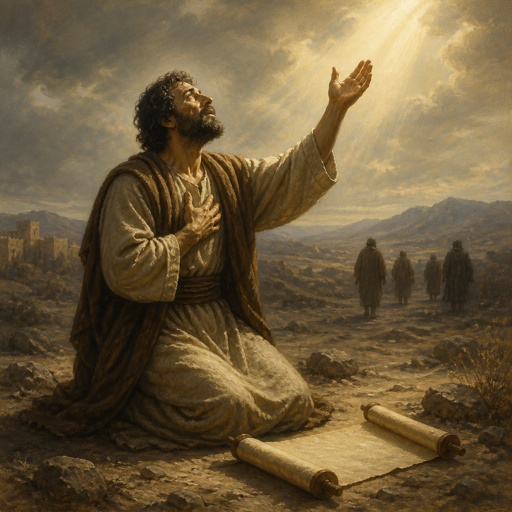
"My zeal hath consumed me, because mine enemies have forgotten thy words." - Psalms 119:139
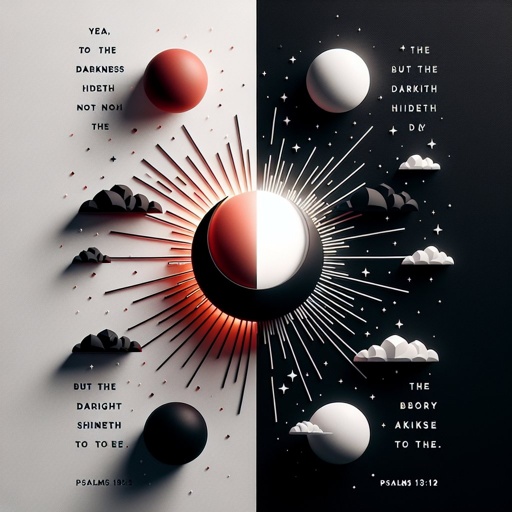
Psalms 139:12 - "Yea, the darkness hideth not from thee; but the night shineth as the day: the darkness and the light are both alike to thee."
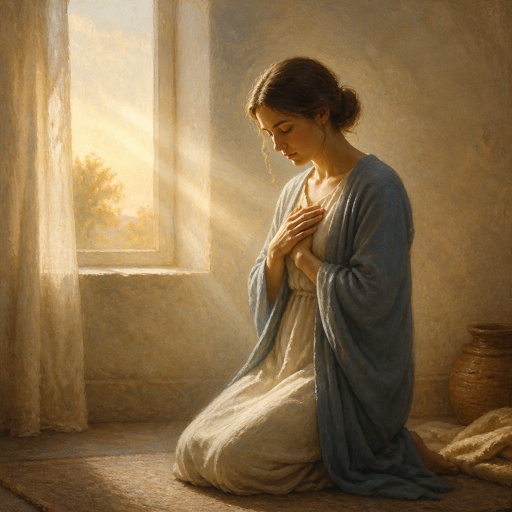
"Search me, O God, and know my heart: try me, and know my thoughts:" - Psalms 139:23

Psalms 139:7 - "Whither shall I go from thy spirit? or whither shall I flee from thy presence?"
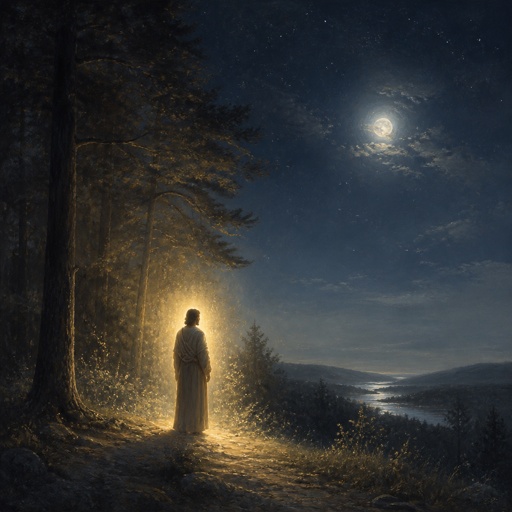
"If I say, Surely the darkness shall cover me; even the night shall be light about me." - Psalms 139:11
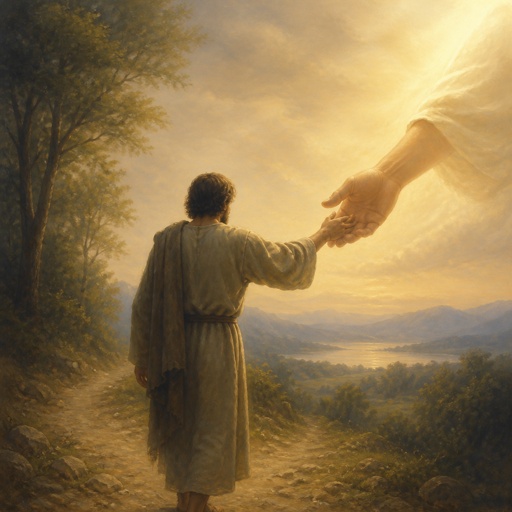
"Even there shall thy hand lead me, and thy right hand shall hold me." - Psalms 139:10

Psalms 139:8 - "If I ascend up into heaven, thou art there: if I make my bed in hell, behold, thou art there."

Psalms 139:19 - "Surely thou wilt slay the wicked, O God: depart from me therefore, ye bloody men."

Psalms 139:15 - "My substance was not hid from thee, when I was made in secret, and curiously wrought in the lowest parts of the earth."

Psalm 139:9-10 - "If I rise on the wings of the dawn, if I settle on the far side of the sea, even there your hand will guide me, your right hand will hold me fast."
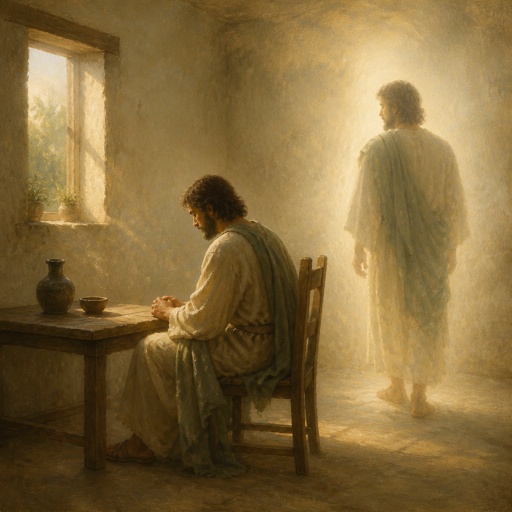
"Thou knowest my downsitting and mine uprising, thou understandest my thought afar off." - Psalms 139:2