What does Psalms 140:6 mean?
“I said unto the LORD, Thou art my God: hear the voice of my supplications, O LORD.” — Psalms 140:6
Psalms 140:6 in the King James Version reads, "I said unto the Lord, Thou art my God: hear the voice of my supplications, O Lord." This verse is part of a longer Psalm attributed to King David, and it reflects the psalmist's deep sense of dependence on God and his trust in God's ability to hear and respond to his prayers.
The book of Psalms, from which this verse is taken, is a collection of 150 poetic songs and prayers that were used by the ancient Israelites in their worship. These psalms cover a wide range of human experiences and emotions, including joy, sorrow, anger, and love. They express the deepest longings and aspirations of the human soul, and they often reflect the struggles and challenges faced by the psalmist in his relationship with God and with other people.
In the context of Psalm 140, the psalmist is facing opposition and hostility from his enemies, and he is crying out to God for deliverance. Throughout the psalm, he expresses his confidence in God's power and faithfulness, and he appeals to God to protect him from his enemies and to vindicate him in the face of their slander and violence.
In verse 6, the psalmist declares, "I said unto the Lord, Thou art my God: hear the voice of my supplications, O Lord." This statement reveals the psalmist's deep and abiding trust in God as his protector and provider. By addressing God as "my God," the psalmist is affirming his personal relationship with God and his belief that God is actively involved in his life and cares about his well-being.
The psalmist then implores God to "hear the voice of my supplications." This is a plea for God to listen to his prayers and to respond to his cries for help. The word "supplications" suggests that the psalmist is making earnest and heartfelt appeals to God, acknowledging his own vulnerability and need for divine intervention.
The psalmist's trust in God's willingness to hear and respond to his prayers reflects a central theme of the Psalms as a whole: the theme of divine providence and care. Throughout the Psalms, the writers express their confidence in God's power and goodness, even in the midst of hardship and adversity. They believe that God is a loving and compassionate God who listens to the cries of his people and comes to their aid when they are in trouble.
In addition to the theme of divine providence, Psalm 140:6 also highlights the theme of personal faith and commitment. The declaration, "Thou art my God," is a statement of the psalmist's personal faith in God and his allegiance to the divine. It is an affirmation of the psalmist's belief that God is not just a distant or abstract deity, but a living and present reality in his life.
This verse also contains a message of hope and encouragement for those who are facing difficult circumstances. The psalmist's confidence in God's ability to hear and respond to his prayers serves as a reminder that no matter how dire our circumstances may be, we can always turn to God and find solace in his presence.
In terms of symbolism, the "voice of my supplications" can be seen as a metaphor for the psalmist's innermost thoughts and emotions. It represents his heart's cry to God for help and protection, and it is a symbol of his vulnerability and need for divine intervention.
In conclusion, Psalm 140:6 is a powerful expression of the psalmist's faith in God and his belief in God's ability to hear and respond to his prayers. It encapsulates the themes of divine providence, personal faith, and hope in the face of adversity that are central to the Psalms as a whole. This verse serves as a source of comfort and inspiration for all who turn to God in times of trouble, reminding us of God's unwavering presence and concern for his people.
Get our apps


Artwork for Psalms 140:6
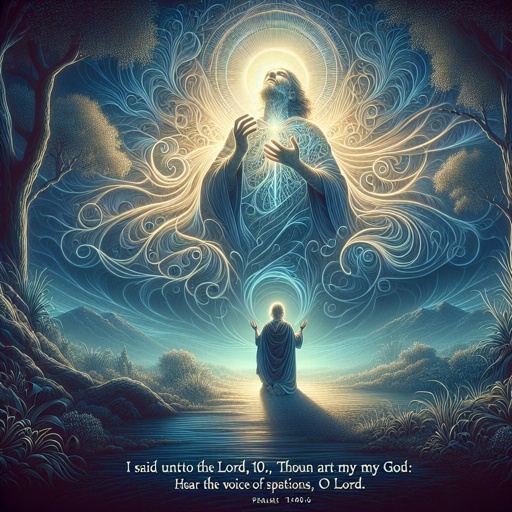
Psalms 140:6 - "I said unto the LORD, Thou art my God: hear the voice of my supplications, O LORD."

"I said unto the LORD, Thou art my God: hear the voice of my supplications, O LORD." - Psalms 140:6

Psalms 140:5 - "The proud have hid a snare for me, and cords; they have spread a net by the wayside; they have set gins for me. Selah."

Psalms 119:140 - "Thy word is very pure: therefore thy servant loveth it."

Psalms 140:2 - "Which imagine mischiefs in their heart; continually are they gathered together for war."

Psalms 140:12 - "I know that the LORD will maintain the cause of the afflicted, and the right of the poor."

Psalms 140:3 - "They have sharpened their tongues like a serpent; adders' poison is under their lips. Selah."

Psalms 140:1 - "Deliver me, O LORD, from the evil man: preserve me from the violent man;"

Psalms 140:9 - "As for the head of those that compass me about, let the mischief of their own lips cover them."

Psalms 140:7 - "O GOD the Lord, the strength of my salvation, thou hast covered my head in the day of battle."

Psalms 140:11 - "Let not an evil speaker be established in the earth: evil shall hunt the violent man to overthrow him."

Psalms 140:8 - "Grant not, O LORD, the desires of the wicked: further not his wicked device; lest they exalt themselves. Selah."

Psalms 140:13 - "Surely the righteous shall give thanks unto thy name: the upright shall dwell in thy presence."
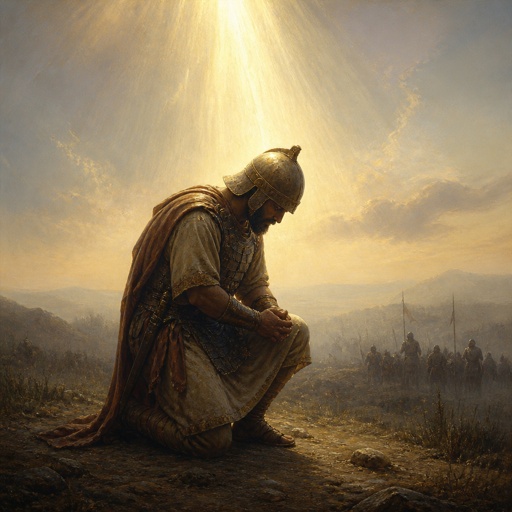
"O GOD the Lord, the strength of my salvation, thou hast covered my head in the day of battle." - Psalms 140:7

Psalms 140:10 - "Let burning coals fall upon them: let them be cast into the fire; into deep pits, that they rise not up again."

"Grant not, O LORD, the desires of the wicked: further not his wicked device; lest they exalt themselves. Selah." - Psalms 140:8
"Thy word is very pure: therefore thy servant loveth it." - Psalms 119:140
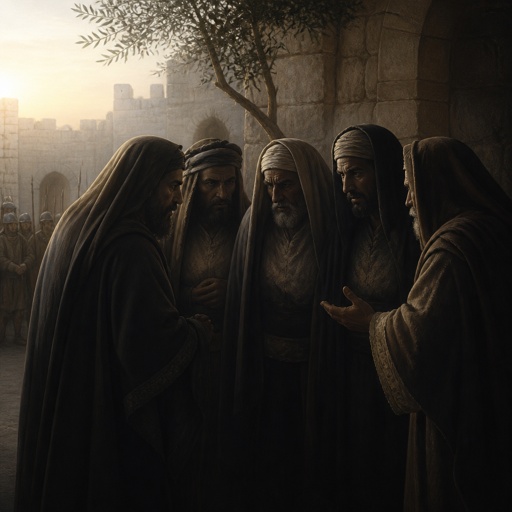
"Which imagine mischiefs in their heart; continually are they gathered together for war." - Psalms 140:2
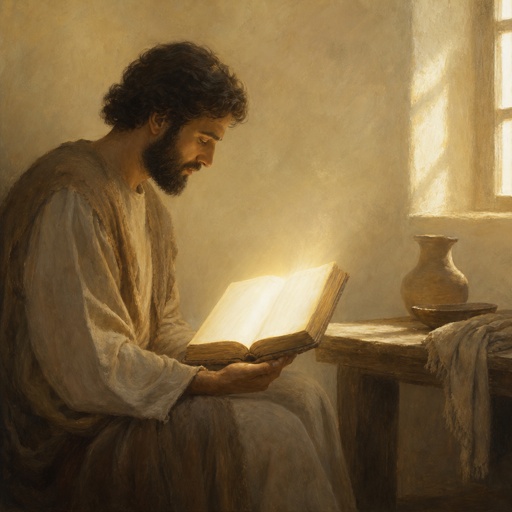
"Thy word is very pure: therefore thy servant loveth it." - Psalms 119:140

Psalms 140:4 - "Keep me, O LORD, from the hands of the wicked; preserve me from the violent man; who have purposed to overthrow my goings."

"I know that the LORD will maintain the cause of the afflicted, and the right of the poor." - Psalms 140:12

"Thy word is very pure: therefore thy servant loveth it." - Psalms 119:140

"Let burning coals fall upon them: let them be cast into the fire; into deep pits, that they rise not up again." - Psalms 140:10
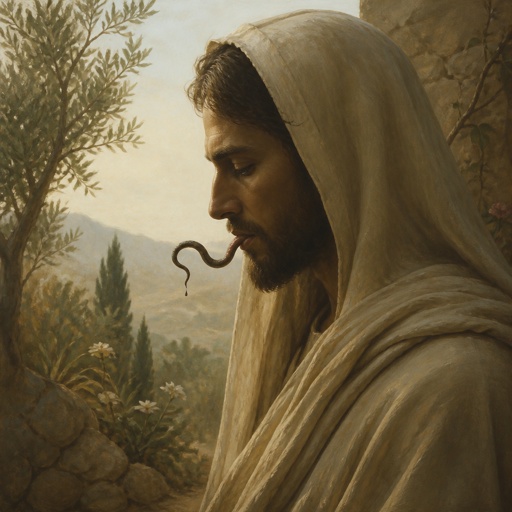
"They have sharpened their tongues like a serpent; adders' poison is under their lips. Selah." - Psalms 140:3
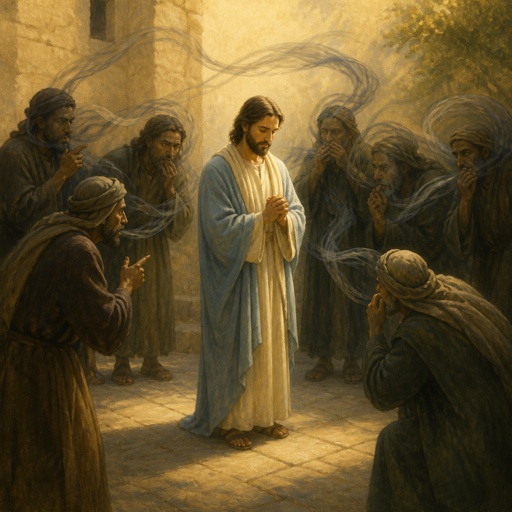
"As for the head of those that compass me about, let the mischief of their own lips cover them." - Psalms 140:9
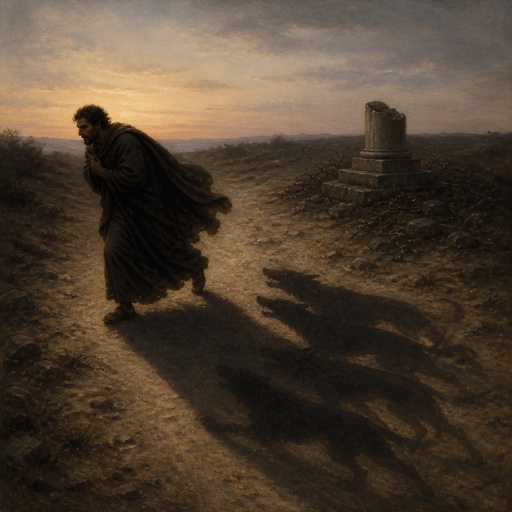
"Let not an evil speaker be established in the earth: evil shall hunt the violent man to overthrow him." - Psalms 140:11

"Deliver me, O LORD, from the evil man: preserve me from the violent man;" - Psalms 140:1

Psalms 126:6

"Surely the righteous shall give thanks unto thy name: the upright shall dwell in thy presence." - Psalms 140:13
Psalms 115:6 - "They have ears, but they hear not: noses have they, but they smell not:"