What does Psalms 143:10 mean?
“Teach me to do thy will; for thou art my God: thy spirit is good; lead me into the land of uprightness.” — Psalms 143:10
Psalm 143:10 in the King James Version reads, "Teach me to do thy will; for thou art my God: thy spirit is good; lead me into the land of uprightness." This verse is a heartfelt plea for guidance and direction from the Lord. It expresses a deep desire to align one's actions and thoughts with God's will and to be led in the path of righteousness.
The meaning of this verse can be understood within the broader context of the book of Psalms and the Bible as a whole. The book of Psalms is a collection of prayers, songs, and poems that express the full range of human emotions and experiences in relation to God. Throughout the Psalms, there is a consistent theme of seeking God's guidance, trusting in His faithfulness, and desiring to live a life that honors Him. Psalm 143:10 is no exception, as it captures the universal human longing for wisdom and direction in the midst of life's challenges and uncertainties.
The verse begins with the request, "Teach me to do thy will," indicating a humble recognition of the need for instruction and guidance from the Lord. This acknowledgment of dependence on God reflects the biblical understanding of humanity's inherent limitedness and need for divine wisdom. It also underscores the importance of aligning one's actions with God's will, recognizing that following His guidance leads to a life of fulfillment and purpose.
The verse continues, "for thou art my God," affirming a personal and intimate relationship with the Lord. This declaration of faith highlights the psalmist's trust in God's sovereignty and goodness, as well as a deep sense of loyalty and devotion to Him. It is a recognition of God's authority and a willingness to submit to His leadership.
The affirmation "thy spirit is good" further emphasizes the psalmist's confidence in God's character. The goodness of God's spirit is a source of encouragement and hope, assuring the psalmist of His benevolence and desire for the well-being of His people. This acknowledgment serves as a reminder of God's faithfulness and love, providing comfort and strength in times of need.
The verse concludes with the petition, "lead me into the land of uprightness," expressing the psalmist's desire for moral and spiritual guidance. The metaphor of "the land of uprightness" symbolizes the pursuit of righteousness and moral integrity, reflecting the longing for a life characterized by goodness and virtue. It also conveys the aspiration for a sense of direction and purpose in navigating life's complexities, aiming to live in accordance with God's standards.
In essence, Psalm 143:10 encapsulates the deep yearning for spiritual guidance, the affirmation of faith in God's goodness, and the aspiration for a life aligned with His will. It reflects a fundamental aspect of the human experience: the search for meaning, purpose, and moral direction in relation to the divine. The verse's timeless themes of dependence on God, trust in His character, and the pursuit of righteousness resonate with believers across different historical and cultural contexts.
In Christian theology, Psalm 143:10 also holds significance in relation to the concept of discipleship and the imitation of Christ. Jesus Christ, as the ultimate exemplar of obedience and submission to God's will, serves as a model for believers to follow. The verse's plea for divine instruction and its focus on living a life of righteousness echo the central teachings of Jesus and His call for disciples to deny themselves, take up their cross, and follow Him (Matthew 16:24).
From a symbolic standpoint, Psalm 143:10 can be interpreted as a metaphorical journey towards spiritual maturity and growth. The image of "the land of uprightness" represents the destination of this journey – a place of moral integrity, spiritual abundance, and divine fellowship. The psalmist's plea for God's guidance and instruction can be seen as an invitation for believers to embark on this transformative journey, trusting in God's leadership and embracing His standards of righteousness.
In conclusion, Psalm 143:10 is a profound expression of the human longing for spiritual guidance, the affirmation of faith in God's character, and the aspiration for a life of righteousness. It captures the essence of the biblical message regarding the importance of seeking God's will, trusting in His goodness, and striving for moral and spiritual integrity. Its themes resonate across different religious traditions and have timeless relevance for believers seeking to live in accordance with God's purposes.
Get our apps


Artwork for Psalms 143:10

Psalms 143:10 - "Teach me to do thy will; for thou art my God: thy spirit is good; lead me into the land of uprightness."

"Teach me to do thy will; for thou art my God: thy spirit is good; lead me into the land of uprightness." - Psalms 143:10

Psalms 143:11 - "Quicken me, O LORD, for thy name's sake: for thy righteousness' sake bring my soul out of trouble."

Psalms 143:2 - "And enter not into judgment with thy servant: for in thy sight shall no man living be justified."

Psalms 119:143 - "Trouble and anguish have taken hold on me: yet thy commandments are my delights."

Psalms 143:4 - "Therefore is my spirit overwhelmed within me; my heart within me is desolate."
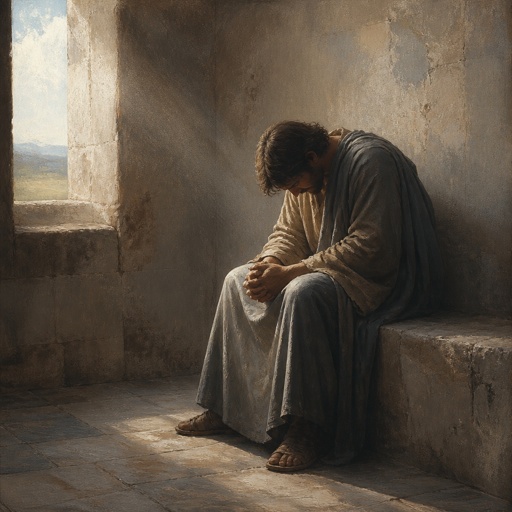
"Therefore is my spirit overwhelmed within me; my heart within me is desolate." - Psalms 143:4

Psalms 143:9 - "Deliver me, O LORD, from mine enemies: I flee unto thee to hide me."

Psalms 143:5 - "I remember the days of old; I meditate on all thy works; I muse on the work of thy hands."

"Deliver me, O LORD, from mine enemies: I flee unto thee to hide me." - Psalms 143:9

Psalms 143:1 - "Hear my prayer, O LORD, give ear to my supplications: in thy faithfulness answer me, and in thy righteousness."

Psalms 143:6 - "I stretch forth my hands unto thee: my soul thirsteth after thee, as a thirsty land. Selah."

Psalms 143:12 - "And of thy mercy cut off mine enemies, and destroy all them that afflict my soul: for I am thy servant."

"I remember the days of old; I meditate on all thy works; I muse on the work of thy hands." - Psalms 143:5

"Hear my prayer, O LORD, give ear to my supplications: in thy faithfulness answer me, and in thy righteousness." - Psalms 143:1

"And of thy mercy cut off mine enemies, and destroy all them that afflict my soul: for I am thy servant." - Psalms 143:12

Psalms 143:7 - "Hear me speedily, O LORD: my spirit faileth: hide not thy face from me, lest I be like unto them that go down into the pit."

psalms 92:10

"And enter not into judgment with thy servant: for in thy sight shall no man living be justified." - Psalms 143:2

Psalms 143:3 - "For the enemy hath persecuted my soul; he hath smitten my life down to the ground; he hath made me to dwell in darkness, as those that have been long dead."

psalms 92:10
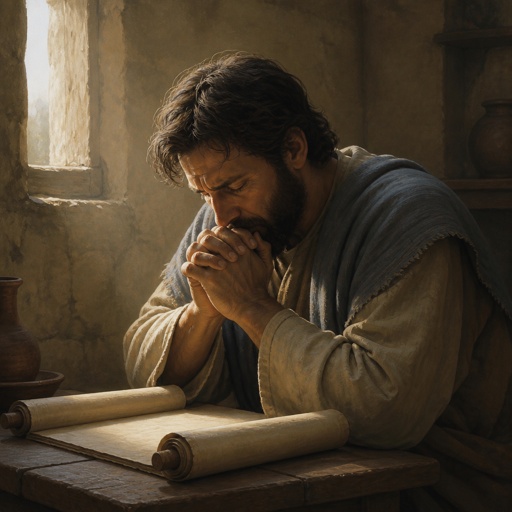
"Trouble and anguish have taken hold on me: yet thy commandments are my delights." - Psalms 119:143

Psalms 143:8 - "Cause me to hear thy lovingkindness in the morning; for in thee do I trust: cause me to know the way wherein I should walk; for I lift up my soul unto thee."

psalms 92:10

psalms 85:10

psalms 92:10

Psalms 10:10 - "He croucheth, and humbleth himself, that the poor may fall by his strong ones."

"Quicken me, O LORD, for thy name's sake: for thy righteousness' sake bring my soul out of trouble." - Psalms 143:11

"I stretch forth my hands unto thee: my soul thirsteth after thee, as a thirsty land. Selah." - Psalms 143:6

Psalms 30:10 - "Hear, O LORD, and have mercy upon me: LORD, be thou my helper."