What does Psalms 146:2 mean?
“While I live will I praise the LORD: I will sing praises unto my God while I have any being.” — Psalms 146:2
Psalms 146:2 in the King James Version of the Bible reads, "While I live will I praise the LORD: I will sing praises unto my God while I have any being." This verse reflects a profound commitment to praise and worship God for as long as the speaker lives, as long as they have breath in their body.
The book of Psalms is a collection of songs and poems that are meant to be sung as part of worship. They express a wide range of emotions, from joy and praise to lament and desperation. Psalms 146 is a hymn of praise to God, celebrating His character and goodness. The verse in question, 146:2, specifically conveys the psalmist's determination to praise God as long as he lives.
One of the themes present in this verse is the idea of steadfast praise and worship. The speaker is making a vow to consistently praise and sing to the Lord, regardless of the circumstances. This speaks to the idea of unwavering faith and devotion, regardless of the ups and downs of life. It also reflects a deep sense of gratitude and reverence for God, recognizing His goodness and faithfulness.
The context of this verse is within the larger psalm, which focuses on the greatness and sovereignty of God. The psalmist begins by declaring his intention to praise the Lord, and then goes on to list the reasons why God is worthy of praise. He talks about God's power to create and sustain all things, His faithfulness to His people, and His heart for the oppressed and marginalized. The psalm essentially serves as a reminder of the character of God and a call to trust in and praise Him.
The symbolism in this verse can be seen in the act of praising God. In the context of the psalms, praise is not just about singing songs or offering words of adoration. It's about acknowledging and honoring God for who He is and what He has done. It's an expression of gratitude, humility, and surrender. The act of praise symbolizes a heart that is attuned to God, one that recognizes His worthiness and responds with love and adoration. In this verse, the speaker's commitment to praising God can be seen as a symbol of wholehearted devotion and allegiance to Him.
Furthermore, the symbolism of singing praises unto God while having any being can also be interpreted as a recognition of the brevity of life. The speaker is acknowledging the limited time we have on this earth and is determined to use that time to honor and glorify God. This serves as a reminder that our lives are a gift from God, and we are called to use them in a way that reflects His love and truth.
In conclusion, Psalms 146:2 captures the essence of wholehearted devotion and praise to God. It reflects a firm commitment to honoring God with our lives, regardless of the circumstances. The verse serves as a reminder of the importance of steadfast faith and gratitude, as well as a call to live in such a way that glorifies God. This verse and the larger psalm in which it is found speak to the timeless truth of God's character and our response of praise and worship.
Get our apps


Artwork for Psalms 146:2

Psalms 146:2 - "While I live will I praise the LORD: I will sing praises unto my God while I have any being."

"While I live will I praise the LORD: I will sing praises unto my God while I have any being." - Psalms 146:2

"Praise ye the LORD. Praise the LORD, O my soul." - Psalms 146:1

Psalms 146:7 - "Which executeth judgment for the oppressed: which giveth food to the hungry. The LORD looseth the prisoners:"

Psalms 146:1 - "Praise ye the LORD. Praise the LORD, O my soul."

Psalms 146:8 - "The LORD openeth the eyes of the blind: the LORD raiseth them that are bowed down: the LORD loveth the righteous:"

Psalms 146:3 - "Put not your trust in princes, nor in the son of man, in whom there is no help."

Psalms 119:146 - "I cried unto thee; save me, and I shall keep thy testimonies."

Psalms 146:6 - "Which made heaven, and earth, the sea, and all that therein is: which keepeth truth for ever:"

Psalms 146:5 - "Happy is he that hath the God of Jacob for his help, whose hope is in the LORD his God:"

Psalms 146:9 - "The LORD preserveth the strangers; he relieveth the fatherless and widow: but the way of the wicked he turneth upside down."

"The LORD openeth the eyes of the blind: the LORD raiseth them that are bowed down: the LORD loveth the righteous:" - Psalms 146:8

"The LORD shall reign for ever, even thy God, O Zion, unto all generations. Praise ye the LORD." - Psalms 146:10

Psalms 146:10 - "The LORD shall reign for ever, even thy God, O Zion, unto all generations. Praise ye the LORD."

"His breath goeth forth, he returneth to his earth; in that very day his thoughts perish." - Psalms 146:4

"Which made heaven, and earth, the sea, and all that therein is: which keepeth truth for ever:" - Psalms 146:6

"I cried unto thee; save me, and I shall keep thy testimonies." - Psalms 119:146

"Put not your trust in princes, nor in the son of man, in whom there is no help." - Psalms 146:3

"Happy is he that hath the God of Jacob for his help, whose hope is in the LORD his God:" - Psalms 146:5

"Which executeth judgment for the oppressed: which giveth food to the hungry. The LORD looseth the prisoners:" - Psalms 146:7

"Happy is he that hath the God of Jacob for his help, whose hope is in the LORD his God:" - Psalms 146:5

Psalms 81:2 - "Take a psalm, and bring hither the timbrel, the pleasant harp with the psaltery."

"The LORD preserveth the strangers; he relieveth the fatherless and widow: but the way of the wicked he turneth upside down." - Psalms 146:9
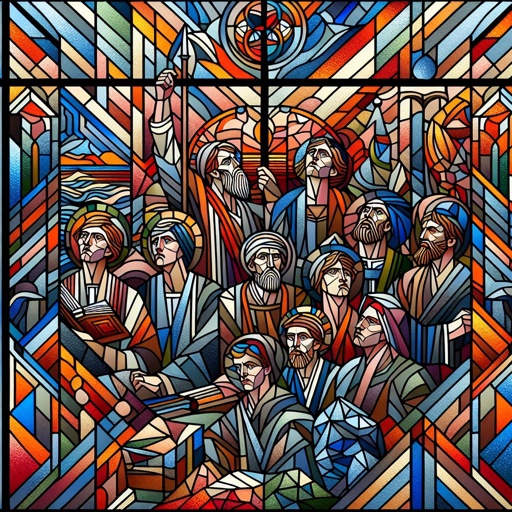
Psalms 115:2 - "Wherefore should the heathen say, Where is now their God?"
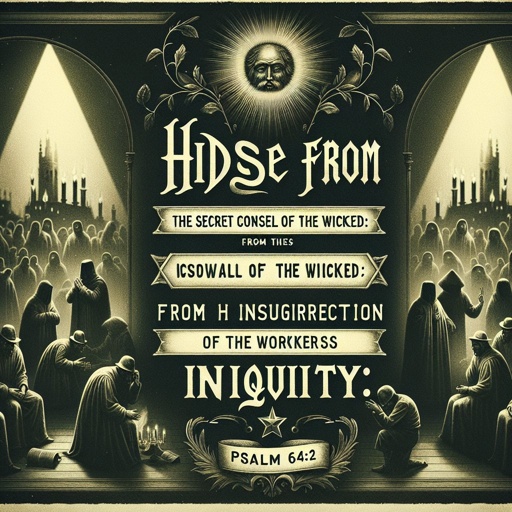
Psalms 64:2 - "Hide me from the secret counsel of the wicked; from the insurrection of the workers of iniquity:"

"Take a psalm, and bring hither the timbrel, the pleasant harp with the psaltery." - Psalms 81:2

Psalms 149:2 - "Let Israel rejoice in him that made him: let the children of Zion be joyful in their King."

Psalms 54:2 - "Hear my prayer, O God; give ear to the words of my mouth."

Psalms 5:2 - "Hearken unto the voice of my cry, my King, and my God: for unto thee will I pray."

Psalms 17:2 - "Let my sentence come forth from thy presence; let thine eyes behold the things that are equal."