What does Psalms 147:20 mean?
“He hath not dealt so with any nation: and as for his judgments, they have not known them. Praise ye the LORD.” — Psalms 147:20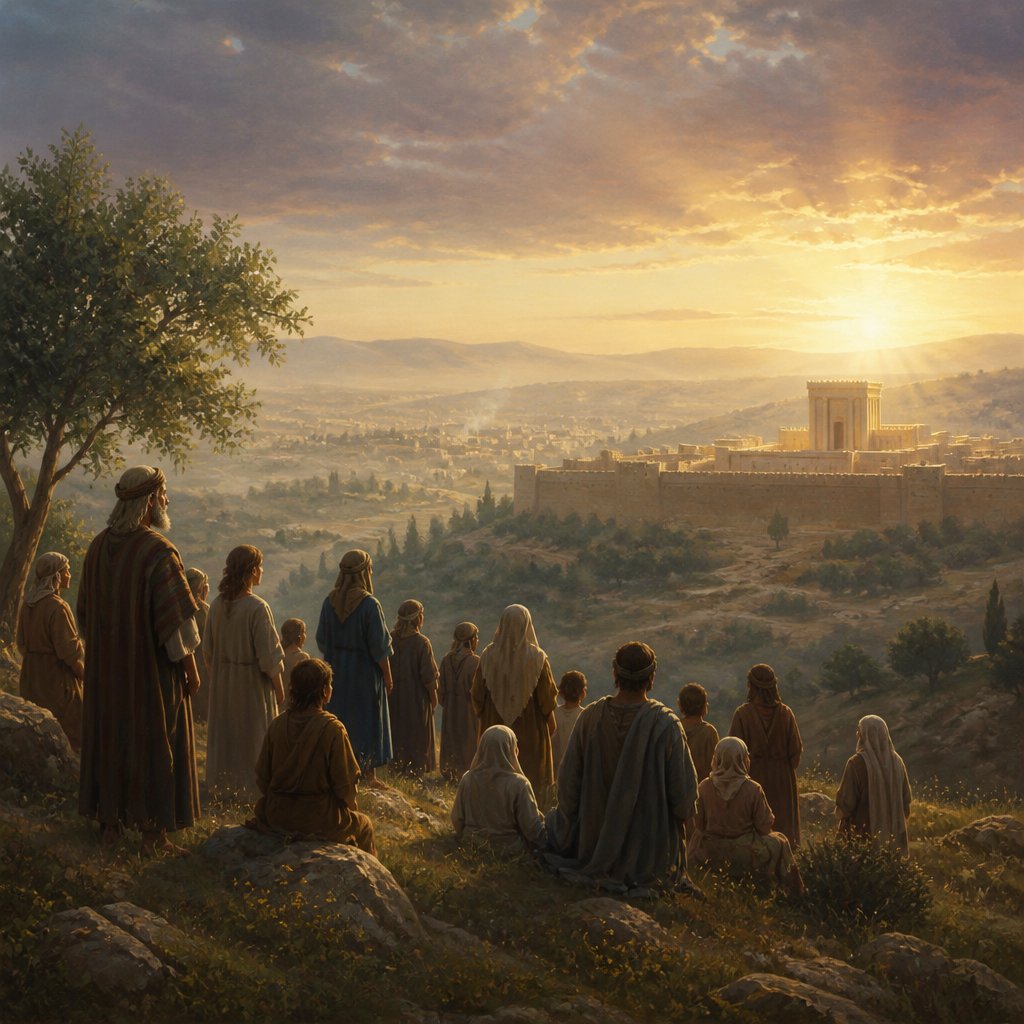
Psalms 147:20 in the King James Version (KJV) reads, "He hath not dealt so with any nation: and as for his judgments, they have not known them. Praise ye the Lord."
The book of Psalms is a collection of 150 hymns and prayers that cover a wide range of human experiences and emotions, including praise, thanksgiving, lament, and trust in God. Psalm 147 specifically focuses on praising God for his care and provision for Jerusalem and its people. This particular verse, Psalms 147:20, serves as a declaration of the unique relationship between God and the nation of Israel, as well as a call to praise the Lord for his actions.
The verse begins with the statement, "He hath not dealt so with any nation," which is a recognition of God's special relationship with Israel. Throughout the Old Testament, God's interactions with Israel are shown to be distinct from his dealings with other nations. One key aspect of this distinction is the covenant that God made with the Israelites, in which He promised to be their God and they promised to be His people (Exodus 19:5-6). This covenant established a unique bond between God and the nation of Israel, setting them apart from all other nations.
The verse goes on to say, "and as for his judgments, they have not known them." This line emphasizes the idea that God's actions and judgments are specific to His chosen people. The judgments of God refer to His decisions and interventions in the affairs of humanity, which are often based on His justice and righteousness. The psalmist is recognizing that the other nations have not been privy to God's specific judgments in the same way that Israel has. This further underscores the special relationship that God has with Israel, as He has revealed His will and expectations to them in a way that He has not done with other nations.
The verse concludes with the exhortation, "Praise ye the Lord," or "Hallelujah" in Hebrew. This serves as a call to action, urging the people of Israel to respond to God's unique dealings with them with praise and gratitude. The psalmist is inviting the Israelites to recognize and celebrate the privileged position they hold as God's chosen people.
Taken in its broader context within Psalm 147, this verse aligns with the overarching theme of praising God for His care for Jerusalem and its people. The psalmist highlights God's power and provision, as well as His particular concern for those who fear Him and put their hope in His unfailing love. The distinctiveness of God's relationship with Israel is presented as a reason for praise and thanksgiving.
In addition to its immediate context within Psalm 147, this verse also speaks to broader themes within the Old Testament and the Christian faith. It reflects the Biblical theme of God's special election and covenant with the people of Israel, which is a foundational aspect of Israelite and Christian theology. The Old Testament repeatedly emphasizes the idea that God has chosen Israel as His own possession and has made promises to them that set them apart from all other nations.
Furthermore, this verse points to the concept of divine revelation, as it speaks to God's unique communication of His will and expectations to Israel. Throughout the Old Testament, God speaks to and through the nation of Israel, giving them His laws, teachings, and prophetic messages. This verse affirms the idea that the Israelites have been the recipients of God's specific guidance and instruction, setting them apart from other nations.
Symbolically, this verse represents the special relationship between God and His people. It serves as a reminder of God's faithfulness and provision, as well as a call to respond with praise and gratitude. It also raises important theological questions about the nature of God's interactions with humanity and the significance of His covenant with Israel.
In conclusion, Psalms 147:20 in the King James Version is a powerful declaration of the unique relationship between God and the nation of Israel. It speaks to the distinctive nature of God's dealings with Israel, His specific judgments, and His call for praise. Its themes of special election, covenant, and divine revelation have far-reaching theological and symbolic significance within the context of the Old Testament and the Christian faith. This verse invites readers to reflect on the special relationship they have with God and to respond with praise and thanksgiving for His faithfulness and provision.
Get our apps


Artwork for Psalms 147:20

Psalms 147:20 - "He hath not dealt so with any nation: and as for his judgments, they have not known them. Praise ye the LORD."
"He hath not dealt so with any nation: and as for his judgments, they have not known them. Praise ye the LORD." - Psalms 147:20

Psalms 147:3

Psalms 147:13 - "For he hath strengthened the bars of thy gates; he hath blessed thy children within thee."

"He healeth the broken in heart, and bindeth up their wounds." - Psalms 147:3

"Great is our Lord, and of great power: his understanding is infinite." - Psalms 147:5

Psalms 147:3 - "He healeth the broken in heart, and bindeth up their wounds."

Psalms 147:5 - "Great is our Lord, and of great power: his understanding is infinite."

Psalms 147:14 - "He maketh peace in thy borders, and filleth thee with the finest of the wheat."

"He telleth the number of the stars; he calleth them all by their names." - Psalms 147:4

"The LORD taketh pleasure in them that fear him, in those that hope in his mercy." - Psalms 147:11

Psalms 147:12 - "Praise the LORD, O Jerusalem; praise thy God, O Zion."

Psalms 147:4 - "He telleth the number of the stars; he calleth them all by their names."

"The LORD lifteth up the meek: he casteth the wicked down to the ground." - Psalms 147:6

Psalms 147:16 - "He giveth snow like wool: he scattereth the hoarfrost like ashes."

Psalms 147:6 - "The LORD lifteth up the meek: he casteth the wicked down to the ground."

Psalms 147:10 - "He delighteth not in the strength of the horse: he taketh not pleasure in the legs of a man."

Psalms 119:147 - "I prevented the dawning of the morning, and cried: I hoped in thy word."

Psalms 147:9 - "He giveth to the beast his food, and to the young ravens which cry."

Psalms 147:11 - "The LORD taketh pleasure in them that fear him, in those that hope in his mercy."

Psalms 147:2 - "The LORD doth build up Jerusalem: he gathereth together the outcasts of Israel."

Psalms 147:16 - "He giveth snow like wool: he scattereth the hoarfrost like ashes."

"He giveth snow like wool: he scattereth the hoarfrost like ashes." - Psalms 147:16

Psalms 147:7 - "Sing unto the LORD with thanksgiving; sing praise upon the harp unto our God:"

Psalms 147:15 - "He sendeth forth his commandment upon earth: his word runneth very swiftly."

Psalms 147:1 - "Praise ye the LORD: for it is good to sing praises unto our God; for it is pleasant; and praise is comely."

Psalms 147:19 - "He sheweth his word unto Jacob, his statutes and his judgments unto Israel."

Psalms 147:17 - "He casteth forth his ice like morsels: who can stand before his cold?"

Psalms 147:18 - "He sendeth out his word, and melteth them: he causeth his wind to blow, and the waters flow."

Psalms 147:8 - "Who covereth the heaven with clouds, who prepareth rain for the earth, who maketh grass to grow upon the mountains."