What does Psalms 17:10 mean?
“They are inclosed in their own fat: with their mouth they speak proudly.” — Psalms 17:10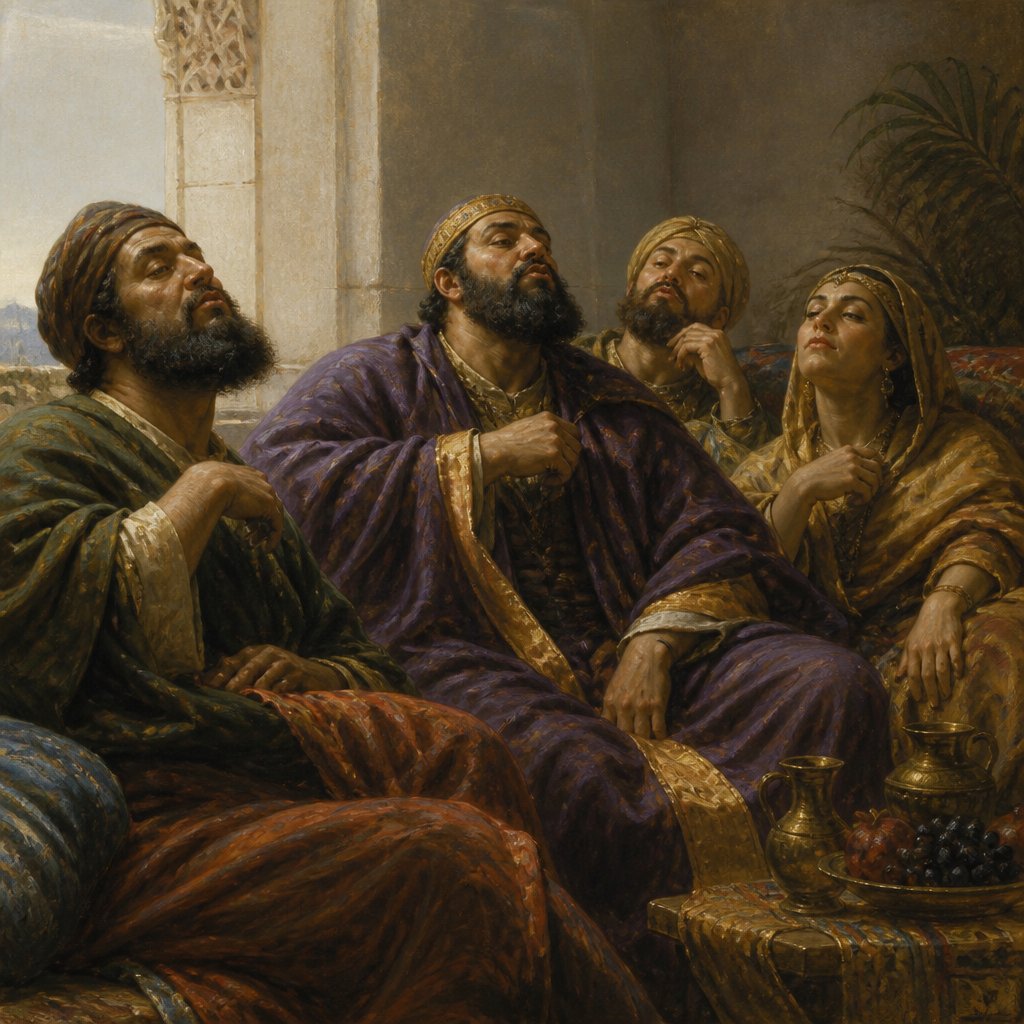
Psalms 17:10 in the King James Version of the Bible reads, "They are enclosed in their own fat: with their mouth they speak proudly." This verse is part of a larger prayer written by King David, in which he seeks God’s protection from his enemies and asks for justice. In these specific verses, David is asking God to deliver him from his enemies, who have become proud and boastful in their actions against him.
The word "enclosed" in this verse can be interpreted as "encased" or "surrounded," giving the imagery of being trapped or ensnared. By using the term "fat," the Bible suggests that David's enemies are self-indulgent or complacent, with an abundance of material possessions or resources. This could symbolize their arrogance and reliance on their own strength and power rather than on God. Their pride and boastfulness are evident in their words and actions, which show a lack of humility and respect for others.
In a broader sense, this verse speaks to the human tendency to become consumed by pride and self-centeredness when we rely on our own resources and accomplishments. It serves as a warning against becoming complacent and arrogant, and instead encourages humility and dependence on God.
The context of this verse is important to understanding its meaning. In the preceding verses of Psalm 17, David appeals to God for help, claiming his innocence and asking for protection from the wicked. He describes his enemies as those who have plotted against him and are hostile towards him without cause. In verse 9, he asks God to deliver him from his enemies, who are like ravening lions seeking to tear him apart. It is within this context of seeking protection from unjust adversaries that David talks about his enemies being "enclosed in their own fat" and speaking proudly.
One of the recurring themes in the Book of Psalms is the trust and reliance on God in times of trouble. David, like many other authors of the Psalms, faces numerous trials and enemies that seek to harm him. Yet, he continues to turn to God for refuge and deliverance. This theme of trust in God's protection and justice is woven throughout this particular Psalm and many others.
The symbolism in this verse reflects the idea of being trapped or ensnared by one's own pride and self-reliance. The image of being "enclosed in their own fat" can be seen as a metaphor for being trapped by one's own excesses and self-sufficiency. The "fat" could represent worldly wealth and success, and the pride could come from relying on these material possessions and accomplishments rather than on God.
In a broader sense, this verse serves as a reminder of the dangers of pride and self-reliance. It warns against becoming complacent and arrogant, and instead encourages humility and dependence on God. Ultimately, the verse emphasizes the importance of seeking refuge in God and trusting in His protection and justice.
In conclusion, Psalms 17:10 in the King James Version of the Bible is a powerful reminder of the dangers of pride and self-reliance. It calls on believers to rely on God for protection and justice, rather than becoming trapped in their own worldly success and arrogance. The verse's imagery and themes serve as a timeless message for all believers to remain humble and dependent on God in the face of adversity.
Get our apps


Artwork for Psalms 17:10

Psalms 17:10 - "They are inclosed in their own fat: with their mouth they speak proudly."
"They are inclosed in their own fat: with their mouth they speak proudly." - Psalms 17:10

psalms 92:10

psalms 92:10

psalms 92:10

psalms 85:10

psalms 92:10

Psalms 10:17 - "LORD, thou hast heard the desire of the humble: thou wilt prepare their heart, thou wilt cause thine ear to hear:"

Psalms 17:5 - "Hold up my goings in thy paths, that my footsteps slip not."

Psalms 10:10 - "He croucheth, and humbleth himself, that the poor may fall by his strong ones."

Psalms 136:17 - "To him which smote great kings: for his mercy endureth for ever:"

Psalms 17:2 - "Let my sentence come forth from thy presence; let thine eyes behold the things that are equal."

"For the arms of the wicked shall be broken: but the LORD upholdeth the righteous." - Psalms 37:17

Psalms 30:10 - "Hear, O LORD, and have mercy upon me: LORD, be thou my helper."

Psalms 29:10 (KJVA) 10 The LORD sitteth upon the flood; yea, the LORD sitteth King for ever.

Psalms 39:10 - "Remove thy stroke away from me: I am consumed by the blow of thine hand."

"The dead praise not the LORD, neither any that go down into silence." - Psalms 115:17

"The earth opened and swallowed up Dathan, and covered the company of Abiram." - Psalms 106:17

"Beasts, and all cattle; creeping things, and flying fowl:" - Psalms 148:10

Psalms 16:10 - "For thou wilt not leave my soul in hell; neither wilt thou suffer thine Holy One to see corruption."

psalms 92:10

psalms 92:10

"And they sinned yet more against him by provoking the most High in the wilderness." - Psalms 78:17

"They kept not the covenant of God, and refused to walk in his law;" - Psalms 78:10

psalms 92:10

psalms 92:10

"He sendeth the springs into the valleys, which run among the hills." - Psalms 104:10

"The LORD is righteous in all his ways, and holy in all his works." - Psalms 145:17
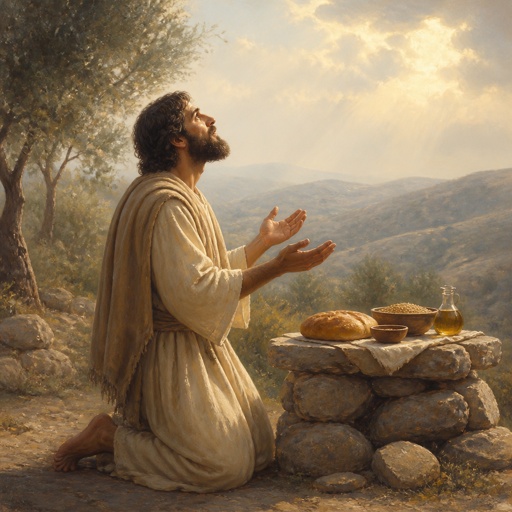
"I will offer to thee the sacrifice of thanksgiving, and will call upon the name of the LORD." - Psalms 116:17

Psalms 90:17 - "And let the beauty of the LORD our God be upon us: and establish thou the work of our hands upon us; yea, the work of our hands establish thou it."