What does Psalms 18:50 mean?
“Great deliverance giveth he to his king; and sheweth mercy to his anointed, to David, and to his seed for evermore.” — Psalms 18:50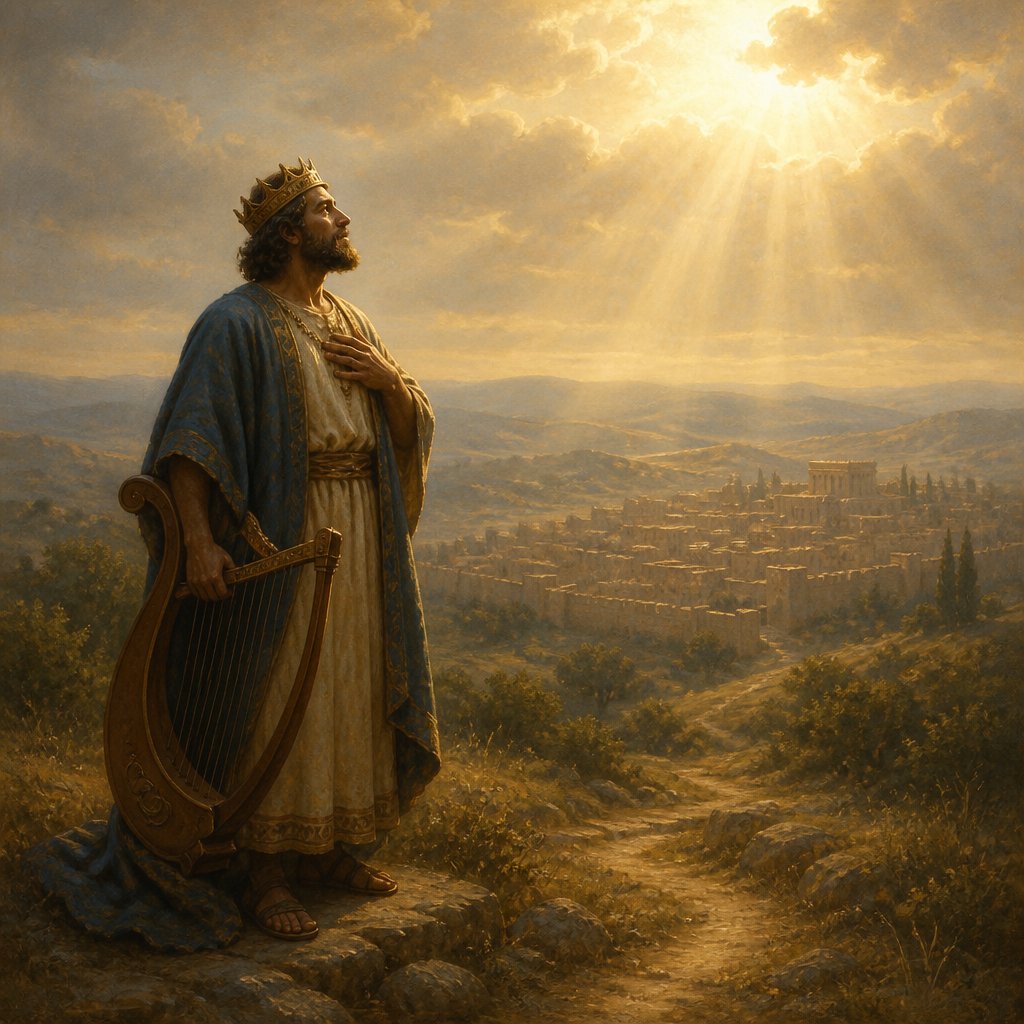
The King James Version of Psalms 18:50 reads, "Great deliverance giveth he to his king; and sheweth mercy to his anointed, to David, and to his seed for evermore."
This verse is found in a Psalm which is attributed to King David. It is a song of praise and thanksgiving to God for the various ways in which He has delivered David from his enemies. In this particular verse, David celebrates God's deliverance and mercy, specifically for himself and his descendants.
The overarching theme of this verse is the idea of divine deliverance, which is a significant theme throughout the Psalms and the Bible as a whole. The concept of deliverance refers to being rescued, liberated, or saved from danger or oppression. In the case of this verse, David is expressing gratitude for the deliverance that God has provided to him as a king and to his descendants. This speaks to the broader theme of God's faithfulness and protection towards those who are faithful to Him.
The verse also emphasizes the idea of God's mercy towards His anointed ones. In the context of the Old Testament, the term "anointed" refers to those who were chosen and consecrated by God for a special purpose, such as kings and priests. David, as the king of Israel, was considered to be God's anointed, and this verse acknowledges the mercy that God has shown towards him in his role as king.
Furthermore, the mention of "his seed for evermore" speaks to the promise of God's continued mercy and deliverance for David's descendants. This is reflective of the concept of generational blessings and the idea that God's covenant with David would extend to future generations. This theme of generational blessings is a common motif in the Old Testament, particularly in the context of God's covenant with the nation of Israel.
In terms of the broader biblical context, this verse ties into the larger narrative of God's covenant with David. In 2 Samuel 7, God makes a covenant with David promising that his descendants will continue his dynasty and that one of his descendants will establish an everlasting kingdom. This promise is known as the Davidic Covenant and it is a central theme in the biblical narrative.
Symbolically, this verse represents the idea of God's faithfulness and steadfast love towards His chosen people. The imagery of deliverance and mercy communicate the profound ways in which God protects and sustains those who are faithful to Him. Additionally, the mention of David's seed emphasizes the continuity of God's promises throughout generations, reinforcing the concept of God's enduring faithfulness.
Overall, Psalms 18:50 is a powerful declaration of God's deliverance and mercy towards His anointed ones, particularly David and his descendants. It highlights the themes of divine protection, generational blessings, and the unwavering faithfulness of God. As such, it serves as a source of encouragement and hope for believers, reminding them of God's promise to deliver and show mercy to those who trust in Him.
Get our apps


Artwork for Psalms 18:50

Psalms 18:50 - "Great deliverance giveth he to his king; and sheweth mercy to his anointed, to David, and to his seed for evermore."
"Great deliverance giveth he to his king; and sheweth mercy to his anointed, to David, and to his seed for evermore." - Psalms 18:50

Psalms 50:18 - "When thou sawest a thief, then thou consentedst with him, and hast been partaker with adulterers."
"When thou sawest a thief, then thou consentedst with him, and hast been partaker with adulterers." - Psalms 50:18
"Out of Zion, the perfection of beauty, God hath shined." - Psalms 50:2

"For every beast of the forest is mine, and the cattle upon a thousand hills." - Psalms 50:10

"And the heavens shall declare his righteousness: for God is judge himself. Selah." - Psalms 50:6

Psalms 50:13 - "Will I eat the flesh of bulls, or drink the blood of goats?"

Psalms 50:2 - "Out of Zion, the perfection of beauty, God hath shined."

"I know all the fowls of the mountains: and the wild beasts of the field are mine." - Psalms 50:11

"Offer unto God thanksgiving; and pay thy vows unto the most High:" - Psalms 50:14

Psalms 50:6 - "And the heavens shall declare his righteousness: for God is judge himself. Selah."

Psalms 50:11 - "I know all the fowls of the mountains: and the wild beasts of the field are mine."

Psalms 119:50 - "This is my comfort in my affliction: for thy word hath quickened me."

Psalms 50:10 - "For every beast of the forest is mine, and the cattle upon a thousand hills."

Psalms 50:14 - "Offer unto God thanksgiving; and pay thy vows unto the most High:"

Psalms 50:19 - "Thou givest thy mouth to evil, and thy tongue frameth deceit."
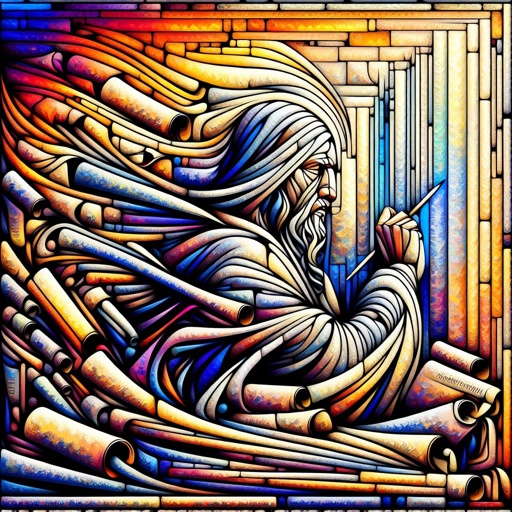
Psalms 50:17 - "Seeing thou hatest instruction, and castest my words behind thee."

Psalms 50:5 - "Gather my saints together unto me; those that have made a covenant with me by sacrifice."

Psalms 50:15 - "And call upon me in the day of trouble: I will deliver thee, and thou shalt glorify me."
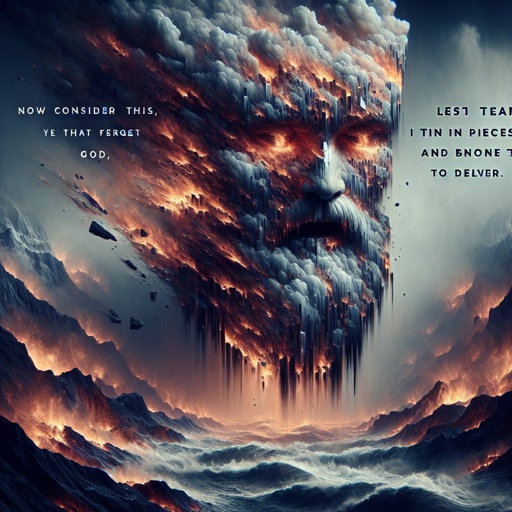
Psalms 50:22 - "Now consider this, ye that forget God, lest I tear you in pieces, and there be none to deliver."
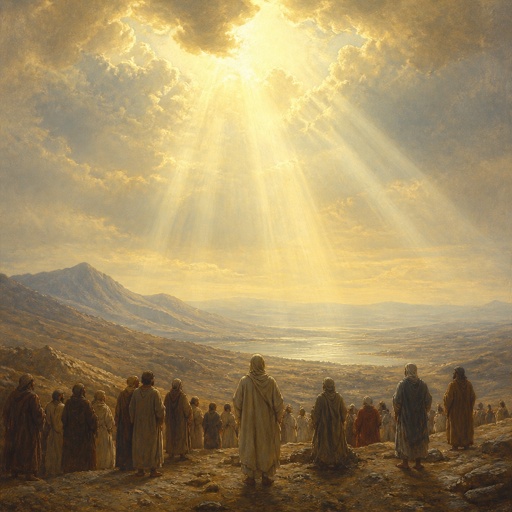
"He shall call to the heavens from above, and to the earth, that he may judge his people." - Psalms 50:4

Psalms 50:12 - "If I were hungry, I would not tell thee: for the world is mine, and the fulness thereof."

Psalms 50:4 - "He shall call to the heavens from above, and to the earth, that he may judge his people."

Psalms 50:9 - "I will take no bullock out of thy house, nor he goats out of thy folds."
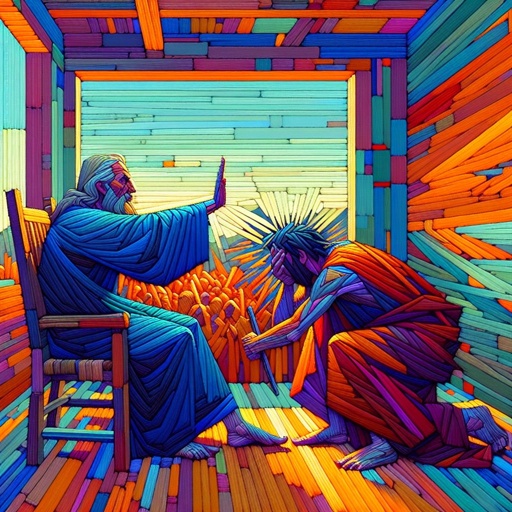
Psalms 50:20 - "Thou sittest and speakest against thy brother; thou slanderest thine own mother's son."

Psalms 136:18 - "And slew famous kings: for his mercy endureth for ever:"

Psalms 50:23 - "Whoso offereth praise glorifieth me: and to him that ordereth his conversation aright will I shew the salvation of God."

Psalms 78:50 - "He made a way to his anger; he spared not their soul from death, but gave their life over to the pestilence;"

Psalms 50:8 - "I will not reprove thee for thy sacrifices or thy burnt offerings, to have been continually before me."