What does Psalms 20:3 mean?
“Remember all thy offerings, and accept thy burnt sacrifice; Selah.” — Psalms 20:3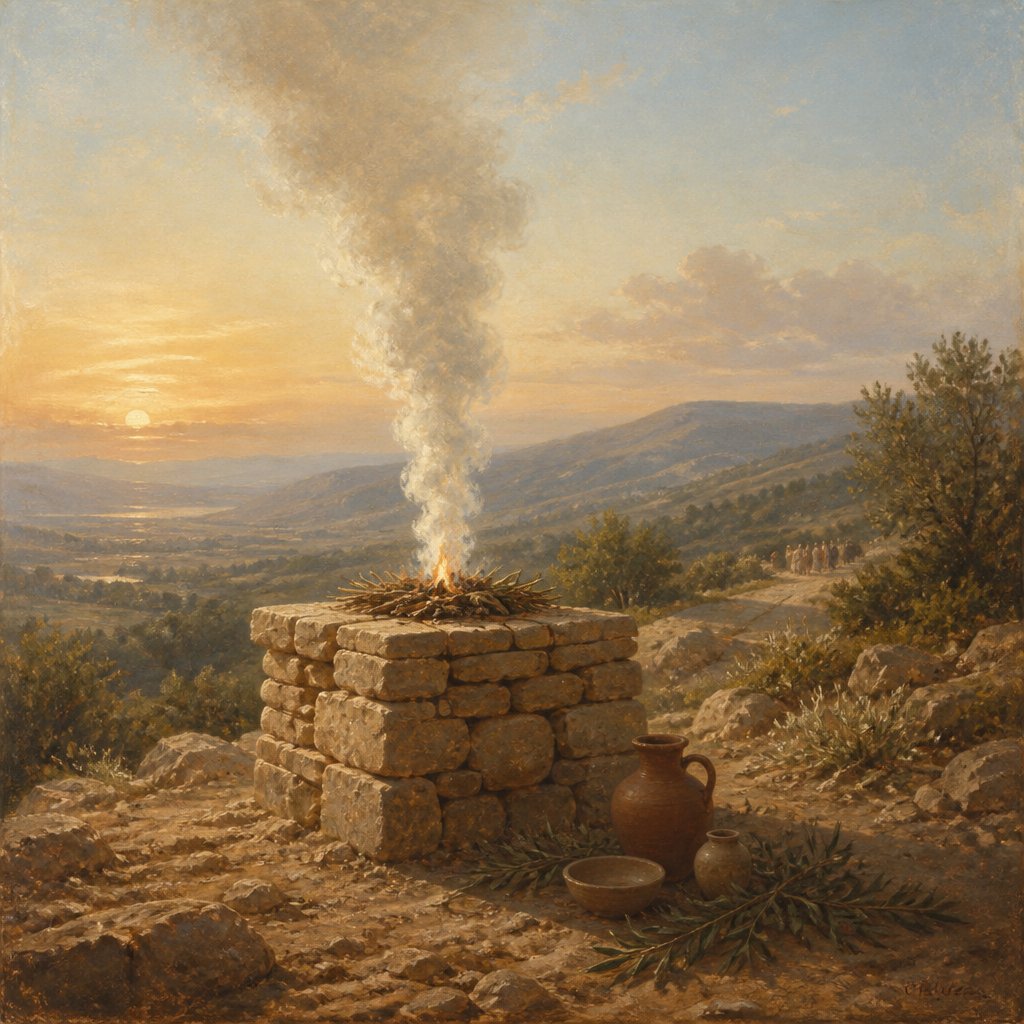
The verse Psalms 20:3 in the King James Version (KJV) reads: "Remember all thy offerings, and accept thy burnt sacrifice; Selah." This verse is part of a prayer for victory by the people of Israel, and it contains several important themes related to faith, sacrifice, and divine favor.
The Psalms, which are a collection of religious songs and poems found in the Old Testament, are often attributed to King David and express a wide range of human emotions and experiences in relation to God. In this particular verse, the speaker is asking God to remember their offerings and accept their burnt sacrifices. This demonstrates a deep sense of faith and reliance on the divine for favor and protection.
The concept of offerings and sacrifices has deep roots in the religious practices of ancient Israel, where people would bring gifts and animals to be sacrificed on altars as a way of showing devotion and seeking forgiveness or favor from God. By asking God to remember their offerings and accept their sacrifices, the speaker is expressing a desire for their actions to be pleasing to God and to receive his blessing in return.
The use of the word "Selah" at the end of the verse is also significant. In the context of the Psalms, "Selah" is often interpreted as a musical or liturgical notation, signaling a pause for reflection or emphasis. In this verse, it serves as a moment to contemplate the meaning and significance of the preceding words, and to meditate on the request being made to God.
In a broader sense, the verse reflects the universal human desire for divine approval and intervention in times of need. The speaker is seeking God's favor and protection in the face of challenges or enemies, and is turning to the act of making offerings and sacrifices as a way of demonstrating their faith and commitment.
The theme of sacrifice and offering is also a powerful symbol in the Christian tradition, particularly in light of the belief in Jesus Christ as the ultimate sacrifice for the forgiveness of sins. In the New Testament, the concept of sacrificial offerings is reinterpreted in the light of Jesus' crucifixion, and believers are called to offer themselves as living sacrifices in service to God.
In terms of context, the broader passage of Psalm 20 is a prayer for victory and protection, with the speaker seeking God's help in times of trouble and putting their trust in his power and righteousness. The preceding verses express confidence in God's ability to answer prayers and provide assistance in times of need, while the following verses continue to ask for divine intervention in the face of enemies and adversity.
In conclusion, Psalms 20:3 in the King James Version contains a rich tapestry of themes related to faith, sacrifice, and divine favor. The verse expresses the deep desire for God's approval and protection, and the use of offerings and sacrifices as a means of seeking divine intervention. It also serves as a powerful symbol of the human longing for connection with the divine and the belief in the power of faith to bring about God's favor. The use of "Selah" invites readers to pause and reflect on the significance of the verse, and to meditate on its message in their own lives.
Get our apps


Artwork for Psalms 20:3

Psalms 20:3 - "Remember all thy offerings, and accept thy burnt sacrifice; Selah."
"Remember all thy offerings, and accept thy burnt sacrifice; Selah." - Psalms 20:3

Psalms 20 7
Psalms 111:3 - "His work is honourable and glorious: and his righteousness endureth for ever."

Psalms 88:3 - "For my soul is full of troubles: and my life draweth nigh unto the grave."

"Man that is in honour, and understandeth not, is like the beasts that perish." - Psalms 49:20

Psalms 103:3 - "Who forgiveth all thine iniquities; who healeth all thy diseases;"

Psalms 87:3 - "Glorious things are spoken of thee, O city of God. Selah."

"Thus they changed their glory into the similitude of an ox that eateth grass." - Psalms 106:20

"And Og the king of Bashan: for his mercy endureth for ever:" - Psalms 136:20

"They are brought down and fallen: but we are risen, and stand upright." - Psalms 20:8

"He keepeth all his bones: not one of them is broken." - Psalms 34:20

Psalms 67:3 - "Let the people praise thee, O God; let all the people praise thee."
"Save, LORD: let the king hear us when we call." - Psalms 20:9

Psalms 72:20 - "The prayers of David the son of Jesse are ended."

Psalms 116:3 - "The sorrows of death compassed me, and the pains of hell gat hold upon me: I found trouble and sorrow."

"The sea saw it, and fled: Jordan was driven back." - Psalms 114:3

Psalms 138:3 - "In the day when I cried thou answeredst me, and strengthenedst me with strength in my soul."

"There is no speech nor language, where their voice is not heard." - Psalms 19:3

"Great is the LORD, and greatly to be praised; and his greatness is unsearchable." - Psalms 145:3
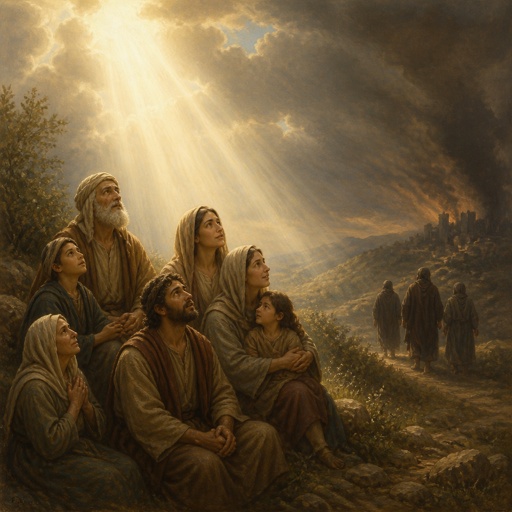
"The LORD preserveth all them that love him: but all the wicked will he destroy." - Psalms 145:20

Psalms 118:20 - "This gate of the LORD, into which the righteous shall enter."

"He healeth the broken in heart, and bindeth up their wounds." - Psalms 147:3

Psalms 49:20 - "Man that is in honour, and understandeth not, is like the beasts that perish."
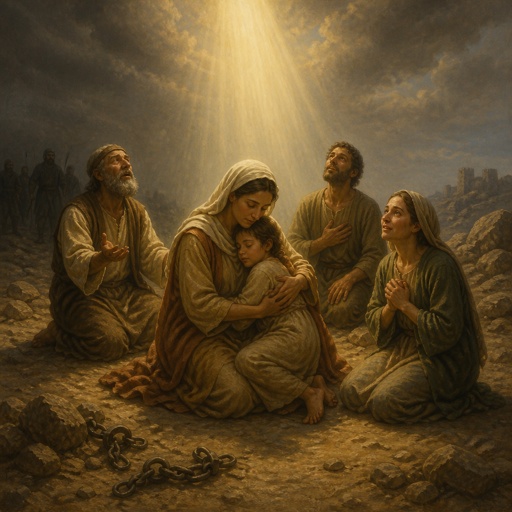
"He sent his word, and healed them, and delivered them from their destructions." - Psalms 107:20
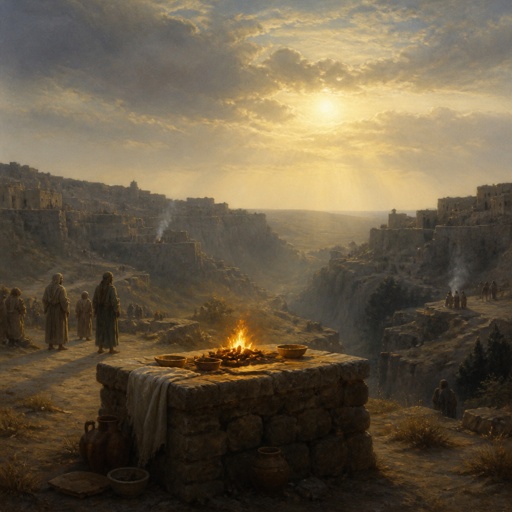
"Have respect unto the covenant: for the dark places of the earth are full of the habitations of cruelty." - Psalms 74:20

"Lo, children are an heritage of the LORD: and the fruit of the womb is his reward." - Psalms 127:3
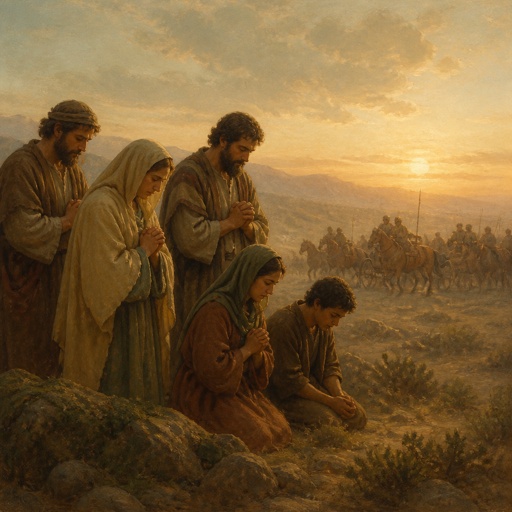
"Some trust in chariots, and some in horses: but we will remember the name of the LORD our God." - Psalms 20:7

Psalms 106:20 - "Thus they changed their glory into the similitude of an ox that eateth grass."

Psalms 136:20 - "And Og the king of Bashan: for his mercy endureth for ever:"