What does Psalms 22:3 mean?
“But thou art holy, O thou that inhabitest the praises of Israel.” — Psalms 22:3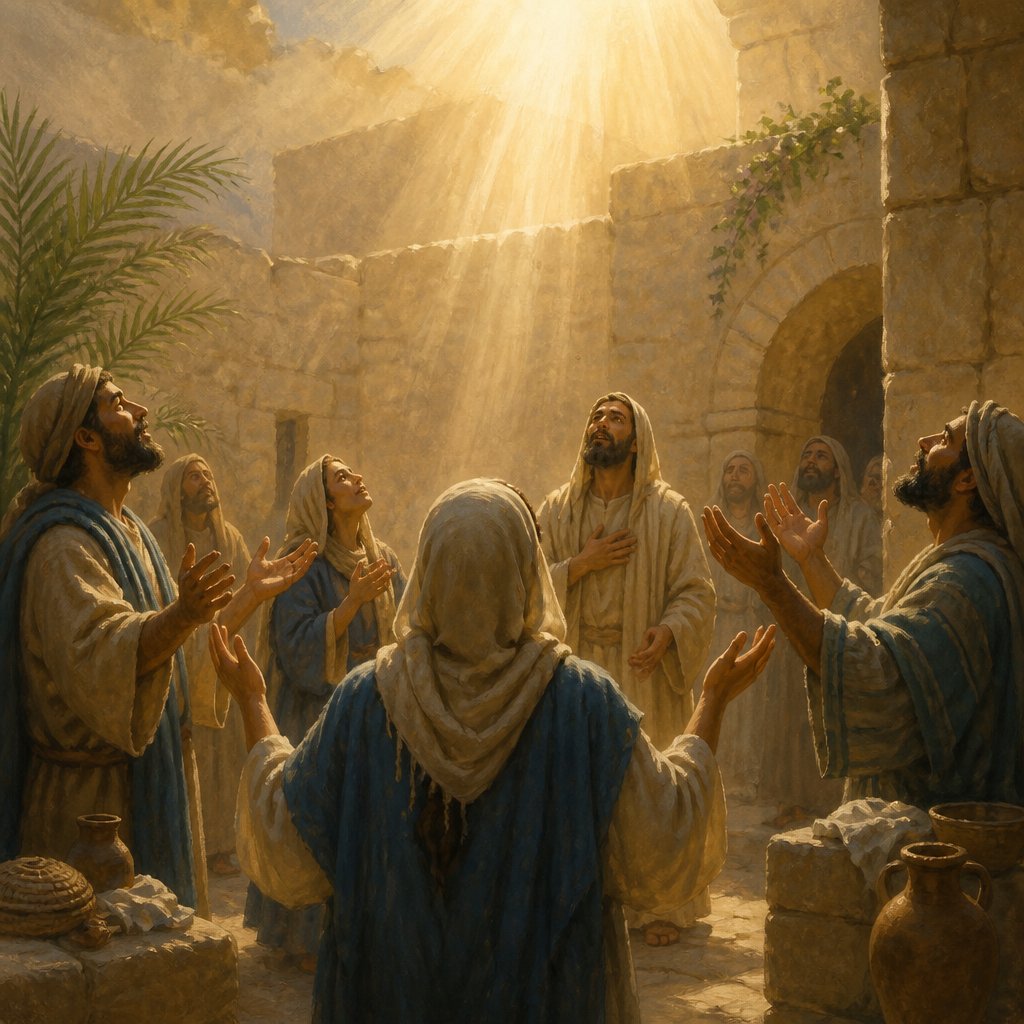
Psalms 22:3 in the King James Version reads: "But thou art holy, O thou that inhabitest the praises of Israel." This verse is from a psalm attributed to King David, and it is a powerful proclamation of the holiness of God and the way in which God is present in the praises of His people. Let's dive into a detailed and in-depth analysis of this verse, exploring its themes, context, and symbolism.
The theme of holiness is central to this verse. The word "holy" in the original Hebrew carries the meaning of being set apart, unique, and transcendent. The psalmist is declaring that God is holy, separate from all that is sinful and mundane, and worthy of reverence and worship. This affirmation of God's holiness is a common theme in the Psalms and throughout the Bible, and it serves as a reminder to the reader of the awe-inspiring nature of God.
The verse also speaks to the idea of God "inhabitest the praises of Israel." This phrase conveys the idea that God dwells in the praises and worship of His people. It suggests that when the people of Israel come together to offer their adoration and reverence to God, He is present among them in a special way. This concept of God's presence in worship is a recurring theme in the Bible, from the tabernacle in the wilderness to the temple in Jerusalem, and later in the gatherings of the early Christian church. It underscores the importance of worship as a means of encountering the living God.
In terms of context, Psalms 22 is a lamentation or a cry for help in the face of distress. It opens with the famous words, "My God, my God, why hast thou forsaken me?" – a phrase that Jesus would later echo from the cross. Many scholars believe that this psalm, while attributed to David, also contains prophetic elements that point forward to the suffering and crucifixion of Jesus Christ. This connection adds depth to our understanding of Psalms 22:3, as it speaks not only of God's presence among His people in worship, but also of His ultimate redemptive plan for humanity through the sacrifice of His Son.
The symbolism in this verse is rich and layered. The holiness of God represents His transcendence and purity, setting Him apart from all other beings. The idea of God inhabiting the praises of His people symbolizes the intimate connection between God and His worshippers. It implies that when we come together to praise and honor God, He draws near to us and makes His presence known. The imagery of God "inhabiting" our praises also suggests that worship is a sacred space where we can encounter the divine and experience transformation.
Overall, Psalms 22:3 is a powerful declaration of God's holiness and His presence in the praises of His people. It points to the significance of worship as a means of encountering God and declares the intimacy of the relationship between the Creator and His creation. It is a verse that invites believers to approach God with reverence and awe, recognizing His holiness and seeking His presence in their worship. As we reflect on this verse, may we be inspired to approach God with humble hearts and offer Him the praise and adoration that He deserves.
Get our apps


Artwork for Psalms 22:3

Psalms 22:3 - "But thou art holy, O thou that inhabitest the praises of Israel."

"But thou art holy, O thou that inhabitest the praises of Israel." - Psalms 22:3

Psalms 22:18 - "They part my garments among them, and cast lots upon my vesture."
Psalms 111:3 - "His work is honourable and glorious: and his righteousness endureth for ever."

Psalms 88:3 - "For my soul is full of troubles: and my life draweth nigh unto the grave."

Psalms 103:3 - "Who forgiveth all thine iniquities; who healeth all thy diseases;"

"They gaped upon me with their mouths, as a ravening and a roaring lion." - Psalms 22:13

Psalms 87:3 - "Glorious things are spoken of thee, O city of God. Selah."

Psalms 22:7

"I will declare thy name unto my brethren: in the midst of the congregation will I praise thee." - Psalms 22:22

"Wondrous works in the land of Ham, and terrible things by the Red sea." - Psalms 106:22

"But I am a worm, and no man; a reproach of men, and despised of the people." - Psalms 22:6

"Redeem Israel, O God, out of all his troubles." - Psalms 25:22

"So foolish was I, and ignorant: I was as a beast before thee." - Psalms 73:22

Psalms 67:3 - "Let the people praise thee, O God; let all the people praise thee."

"For such as be blessed of him shall inherit the earth; and they that be cursed of him shall be cut off." - Psalms 37:22

Psalms 22:22 - "I will declare thy name unto my brethren: in the midst of the congregation will I praise thee."

"Even an heritage unto Israel his servant: for his mercy endureth for ever." - Psalms 136:22

Psalms 116:3 - "The sorrows of death compassed me, and the pains of hell gat hold upon me: I found trouble and sorrow."

"The sea saw it, and fled: Jordan was driven back." - Psalms 114:3

"I hate them with perfect hatred: I count them mine enemies." - Psalms 139:22

Psalms 138:3 - "In the day when I cried thou answeredst me, and strengthenedst me with strength in my soul."

"There is no speech nor language, where their voice is not heard." - Psalms 19:3

"Great is the LORD, and greatly to be praised; and his greatness is unsearchable." - Psalms 145:3

"To bind his princes at his pleasure; and teach his senators wisdom." - Psalms 105:22

Psalms 22:28 - "For the kingdom is the LORD'S: and he is the governor among the nations."

Psalms 78:22 - "Because they believed not in God, and trusted not in his salvation:"

"He healeth the broken in heart, and bindeth up their wounds." - Psalms 147:3

"Lo, children are an heritage of the LORD: and the fruit of the womb is his reward." - Psalms 127:3

Psalms 102:22 - "When the people are gathered together, and the kingdoms, to serve the LORD."