What does Psalms 24:7 mean?
“Lift up your heads, O ye gates; and be ye lift up, ye everlasting doors; and the King of glory shall come in.” — Psalms 24:7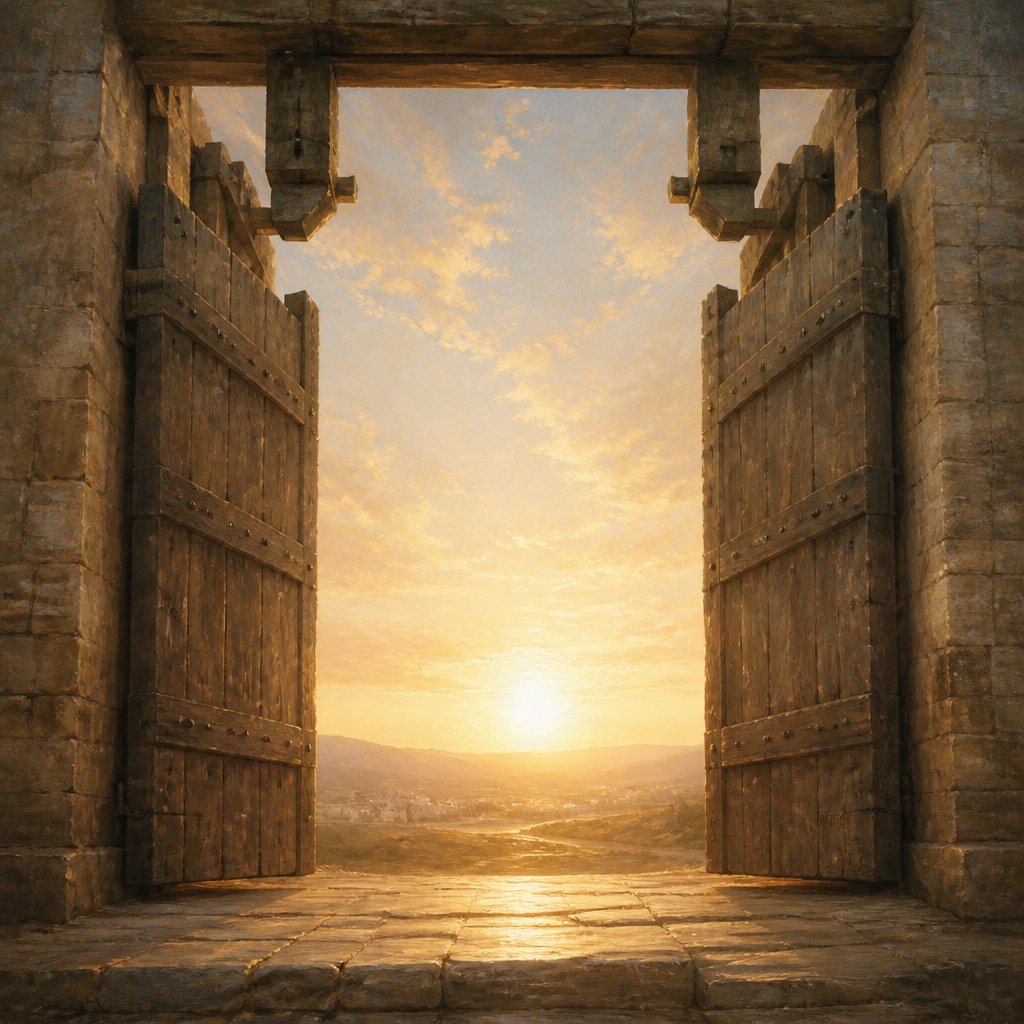
“Lift up your heads, O ye gates; and be ye lift up, ye everlasting doors; and the King of glory shall come in.” (Psalm 24:7, KJV)
In the Psalm as a whole, David first establishes that all creation already belongs to the LORD: “The earth is the LORD’S, and the fulness thereof” (Psalm 24:1). He then asks who may approach Him and stand in His holy presence, answering with the description of the one who has “clean hands” and “a pure heart” (Psalm 24:3–4). Against that backdrop, Psalm 24:7 arrives like a herald’s cry at the threshold of God’s sanctuary. It is not merely an invitation but a proclamation of arrival: the King Himself is coming, and the entrance must be made ready to receive Him.
The language is vivid and symbolic. “Gates” and “doors” are addressed as though they could hear and respond, which heightens the sense that something greater than ordinary movement is at hand. In Scripture, gates are places of access, authority, and judgment, and doors mark the boundary between what is outside and what is within. To command them, “Lift up your heads,” is to picture an entrance that must rise higher than it has been, as if the existing opening is too small for the majesty that approaches. It suggests that the proper welcome for the LORD’s presence is not casual or cramped; it requires enlargement, reverence, and readiness. The image presses the reader beyond architecture and into the moral and spiritual reality that Psalm 24 has already raised: if the King of glory comes near, everything that stands at the threshold—whether the literal entry into worship or the figurative entry into a life—must yield, open, and make room.
Calling them “everlasting doors” carries further weight. It evokes permanence and timelessness, implying that what is being described is not only a momentary ceremony but a reality that transcends a single day. The King who comes is not a temporary visitor; His reign is enduring. The phrase points to the ancient, established nature of God’s dominion and worship, and it also enlarges the scene from a local gate into something cosmic: entrances that belong to an “everlasting” order are summoned to open for a King whose glory does not fade.
The central title, “the King of glory,” concentrates the verse’s meaning. In the Psalm’s next lines the question is asked, “Who is this King of glory?” and the answer is given: “The LORD strong and mighty, the LORD mighty in battle” (Psalm 24:8, KJV). Glory here is not mere splendor as men define it; it is the manifested weight of God’s holiness, power, and majesty. By calling Him King, the Psalm declares His rightful authority; by calling Him the King of glory, it declares the unique excellence of His presence—He is the King whose very coming transforms the place that receives Him. The command for the gates to lift up therefore functions like a public acknowledgement of sovereignty: the rightful ruler approaches, and every barrier must acknowledge Him.
In its immediate context, Psalm 24:7 reads like a liturgical procession, as though worshippers are approaching the sanctuary and proclaiming that the LORD, the victorious King, is entering. Even without adding words not found in the KJV, the Psalm itself supplies the interpretive frame: the LORD who owns the earth (Psalm 24:1) and whose presence demands holiness (Psalm 24:3–4) is the same LORD who is “strong and mighty” (Psalm 24:8). The “gates” thus become the meeting point between God’s holiness and man’s approach. The Psalm does not allow worship to be treated as mere routine; it presents entrance into God’s presence as a moment of awe, cleansing, and surrender to His rule.
The symbolism also naturally reaches inward. Because the Psalm has already spoken about clean hands and a pure heart, the “gates” and “doors” can be heard as a summons to the human person and community: whatever stands as an entryway—mind, will, conscience, habits, affections—must be lifted up to welcome the LORD’s reign. The verse implies that the King of glory is not accommodated by a narrow, guarded, self-enclosed life. If He comes in, He comes as King, and His coming calls for openness, humility, and readiness to yield.
Psalm 24:7, then, is significant because it joins together God’s ownership of creation, God’s demand for holiness, and God’s triumphant kingship in one commanding image. It portrays the LORD not as a distant deity but as the King who draws near, and it insists that when He comes, the proper response is to open—fully and reverently—so that His glory may enter and rule.
Get our apps


Artwork for Psalms 24:7

Psalms 24:7 - "Lift up your heads, O ye gates; and be ye lift up, ye everlasting doors; and the King of glory shall come in."
"Lift up your heads, O ye gates; and be ye lift up, ye everlasting doors; and the King of glory shall come in." - Psalms 24:7

Psalms 20 7

Psalm 24:7-11

Psalms 118:24 - "This is the day which the LORD hath made; we will rejoice and be glad in it."
psalm 80:1-7

"These see the works of the LORD, and his wonders in the deep." - Psalms 107:24

"Yea, they despised the pleasant land, they believed not his word:" - Psalms 106:24

Psalms 98:7 - "Let the sea roar, and the fulness thereof; the world, and they that dwell therein."

"This is the day which the LORD hath made; we will rejoice and be glad in it." - Psalms 118:24

"For he hath founded it upon the seas, and established it upon the floods." - Psalms 24:2

"The earth is the LORD'S, and the fulness thereof; the world, and they that dwell therein." - Psalms 24:1

"All sheep and oxen, yea, and the beasts of the field;" - Psalms 8:7

Psalms 12:7 - "Thou shalt keep them, O LORD, thou shalt preserve them from this generation for ever."
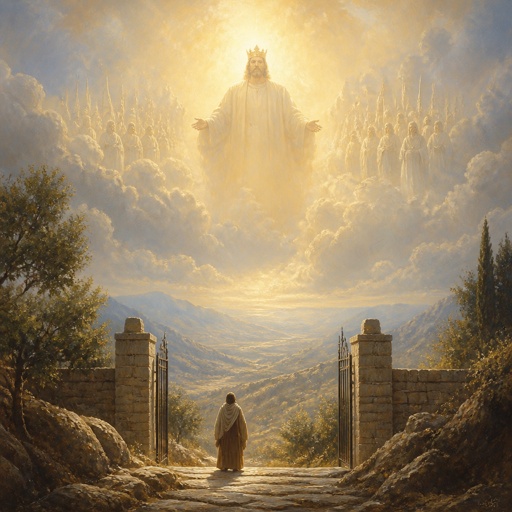
"Who is this King of glory? The LORD of hosts, he is the King of glory. Selah." - Psalms 24:10

"Who is this King of glory? The LORD strong and mighty, the LORD mighty in battle." - Psalms 24:8

"And he increased his people greatly; and made them stronger than their enemies." - Psalms 105:24

"Wherefore hidest thou thy face, and forgettest our affliction and our oppression?" - Psalms 44:24

Psalms 107:24 - "These see the works of the LORD, and his wonders in the deep."

"Gebal, and Ammon, and Amalek; the Philistines with the inhabitants of Tyre;" - Psalms 83:7

"So shall the congregation of the people compass thee about: for their sakes therefore return thou on high." - Psalms 7:7

Psalms 119:24 - "Thy testimonies also are my delight and my counsellors."

Psalms 24:1 - "The earth is the LORD'S, and the fulness thereof; the world, and they that dwell therein."

Psalms 88:7 - "Thy wrath lieth hard upon me, and thou hast afflicted me with all thy waves. Selah."

Psalms 106:24 - "Yea, they despised the pleasant land, they believed not his word:"

Psalms 22:7

"We will go into his tabernacles: we will worship at his footstool." - Psalms 132:7

Psalms 37:7

Psalms 24:2 - "For he hath founded it upon the seas, and established it upon the floods."

Psalms 42:7 (ESV) 7 Deep calls to deep at the roar of your waterfalls; all your breakers and your waves have gone over me.