What does Psalms 27:1 mean?
“The LORD is my light and my salvation; whom shall I fear? the LORD is the strength of my life; of whom shall I be afraid?” — Psalms 27:1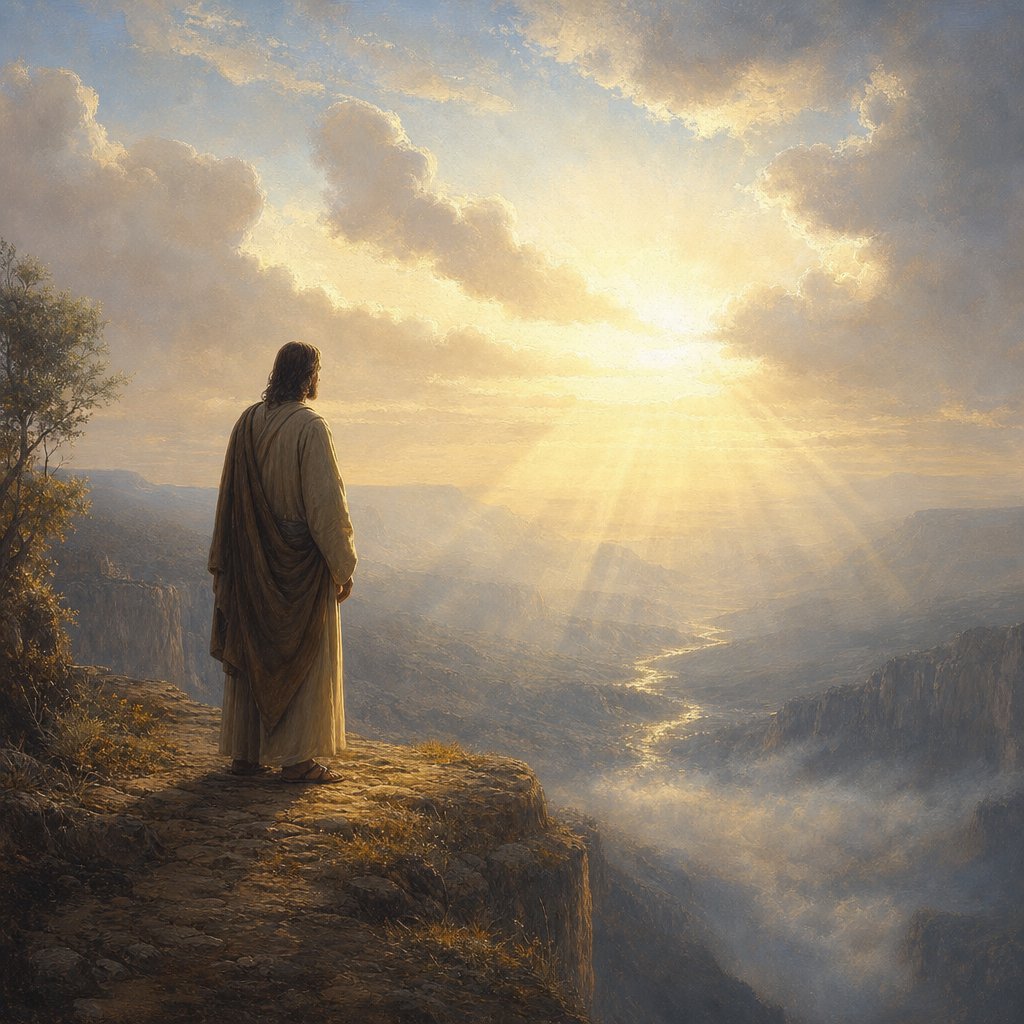
“**The LORD is my light and my salvation; whom shall I fear? the LORD is the strength of my life; of whom shall I be afraid?**” (Psalm 27:1, KJV).
Psalm 27 opens as a confession of settled confidence, spoken in the first person, and it sets the tone for everything that follows in the psalm: David’s safety is not rooted in circumstances, allies, or personal ability, but in the LORD Himself. The verse is shaped like a declaration and then two rhetorical questions. The declaration names who God is to the believer—“my light,” “my salvation,” and “the strength of my life”—and the questions draw the practical conclusion: if the LORD is truly these things, fear loses its rightful claim.
In its context, Psalm 27 belongs to those psalms where faith is spoken in the presence of real threats. The rest of the psalm refers to “mine enemies,” “false witnesses,” and the possibility of being “forsaken,” while also expressing a deep desire to “dwell in the house of the LORD” and to “seek” His face. This matters for Psalm 27:1 because it shows the verse is not denial or naïve optimism. It is faith choosing its anchor before the storm is described. David begins with God, and from that starting point he interprets danger, opposition, and uncertainty.
When David says, “The LORD is my light,” the image of light in Scripture commonly stands for what dispels darkness, reveals the true path, and brings safety where confusion and dread would otherwise rule. Darkness often symbolizes trouble, ignorance, and the threatening unknown. Calling the LORD “my light” therefore speaks of God as the One who gives guidance and clarity, who makes the way visible, and who overcomes the inward gloom that fear breeds. It is personal—“my”—not merely a general truth about God. David is not only saying that the LORD gives light, but that the LORD Himself is the light by which he sees and lives.
“The LORD is my salvation” adds a second theme: deliverance. Salvation here is not presented as an abstract idea, but as rescue from real peril—protection from enemies, preservation of life, and God’s intervention when human power is inadequate. In the KJV Psalms, “salvation” frequently carries the sense of God’s saving acts in history and in personal experience. By placing “my salvation” alongside “my light,” David ties inner assurance to outward deliverance: the same God who illumines the way is the God who brings him out.
Then David says, “the LORD is the strength of my life.” The word “strength” speaks of a stronghold, a refuge, a sustaining power that holds a person up. “Strength of my life” reaches beyond one moment of danger; it implies ongoing support, the continual enabling that keeps life from collapsing under pressure. If “salvation” points to God’s decisive acts of rescue, “strength” points to God’s sustaining presence day by day. David’s life, not just his battles, rests on the LORD as its support.
The two questions—“whom shall I fear?” and “of whom shall I be afraid?”—are not asking for information. They are meant to silence fear by exposing its weakness when compared with God’s sufficiency. In Hebrew poetry, such repetition intensifies the point. Fear and being afraid are not treated as merely emotional experiences but as responses that must be governed by reality: if God is light, salvation, and strength, then the final authority over the heart is not the enemy, not circumstances, not the unknown, but the LORD.
There is also an implied contrast: fear often grows when a person’s “light” goes out, when “salvation” seems distant, or when personal “strength” fails. Psalm 27:1 reverses that. David does not say, “I have light,” “I have salvation,” or “I have strength,” as though these are possessions he controls. He says, “The LORD is” these things. The symbolism therefore points away from self-reliance toward God-reliance. The believer’s confidence is not the size of his courage but the greatness of his God.
The verse is significant because it functions like a foundation stone for the rest of the psalm and, in a broader sense, for faithful living under pressure. It teaches that fear is answered not first by changing the situation but by rightly naming God. Light answers darkness, salvation answers danger and guilt, and strength answers weakness and instability. In one line David gathers the whole movement of faith: he looks to the LORD, claims Him personally, and then reasons outward into courage. The result is not the absence of adversity but the presence of a stronger reality—God Himself—before whom the question “whom shall I fear?” becomes its own answer.
Get our apps


Artwork for Psalms 27:1

Psalms 27:1 - "The LORD is my light and my salvation; whom shall I fear? the LORD is the strength of my life; of whom shall I be afraid?"
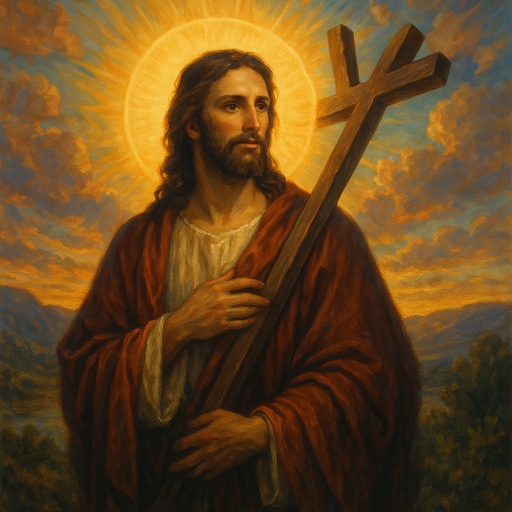
"The LORD is my light and my salvation; whom shall I fear? the LORD is the strength of my life; of whom shall I be afraid?" - Psalms 27:1
"The LORD is my light and my salvation; whom shall I fear? the LORD is the strength of my life; of whom shall I be afraid?" - Psalms 27:1

Psalm 27:1-3

Psalm 27:13-14

"Also I will make him my firstborn, higher than the kings of the earth." - Psalms 89:27

Psalms 37:27 - "Depart from evil, and do good; and dwell for evermore."

"These wait all upon thee; that thou mayest give them their meat in due season." - Psalms 104:27

Psalms 105:27 - "They shewed his signs among them, and wonders in the land of Ham."

Psalms 107:27 - "They reel to and fro, and stagger like a drunken man, and are at their wits' end."

Psalms 109:27 - "That they may know that this is thy hand; that thou, LORD, hast done it."

Psalms 102:27 - "But thou art the same, and thy years shall have no end."

Psalms 106:27 - "To overthrow their seed also among the nations, and to scatter them in the lands."

"He rained flesh also upon them as dust, and feathered fowls like as the sand of the sea:" - Psalms 78:27
psalm 80:1-7

Psalms 69:27 - "Add iniquity unto their iniquity: and let them not come into thy righteousness."

Psalms 128:1 - "Blessed is every one that feareth the LORD; that walketh in his ways."

Psalms 89:27 - "Also I will make him my firstborn, higher than the kings of the earth."

Psalms 68:27 - "There is little Benjamin with their ruler, the princes of Judah and their council, the princes of Zebulun, and the princes of Naphtali."

Psalms 27:9 - "Hide not thy face far from me; put not thy servant away in anger: thou hast been my help; leave me not, neither forsake me, O God of my salvation."

Psalms 122:1 - "I was glad when they said unto me, Let us go into the house of the LORD."

Psalms 18:27 - "For thou wilt save the afflicted people; but wilt bring down high looks."

Psalms 15:1 (KJVA) 1 A Psalm of David. LORD, who shall abide in thy tabernacle? who shall dwell in thy holy hill?

Psalms 104:27 - "These wait all upon thee; that thou mayest give them their meat in due season."
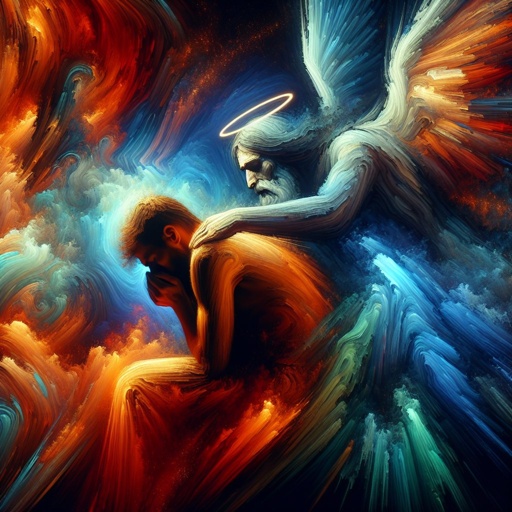
Psalms 27:10 - "When my father and my mother forsake me, then the LORD will take me up."

Psalms 27:13 - "I had fainted, unless I had believed to see the goodness of the LORD in the land of the living."

Psalms 15:1 (KJVA) 1 A Psalm of David. LORD, who shall abide in thy tabernacle? who shall dwell in thy holy hill?

Psalms 64:1 - "Hear my voice, O God, in my prayer: preserve my life from fear of the enemy."
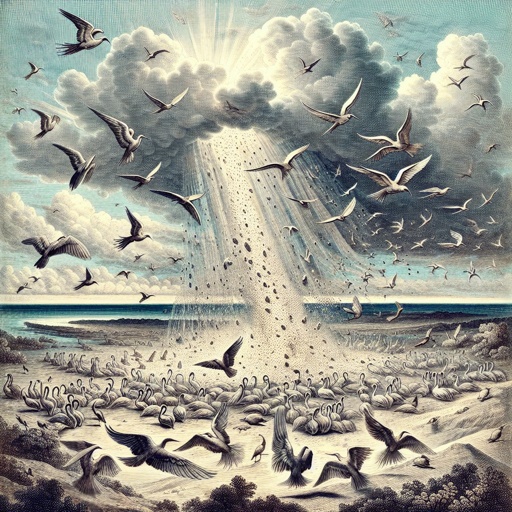
Psalms 78:27 - "He rained flesh also upon them as dust, and feathered fowls like as the sand of the sea:"

Psalms 119:27 - "Make me to understand the way of thy precepts: so shall I talk of thy wondrous works."